Missing teeth can affect your smile, confidence, speech, and ability to chew comfortably. While traditional dentures remain a common solution, many patients today are choosing flexible dentures because they offer greater comfort, improved appearance, and a lightweight feel.
Flexible denture are especially popular for people who want a removable tooth replacement option without visible metal clasps or bulky acrylic plates. In this complete guide, we’ll explain what flexible dentures are, how they work, their benefits, available types, and common uses.
What Are Flexible Dentures?
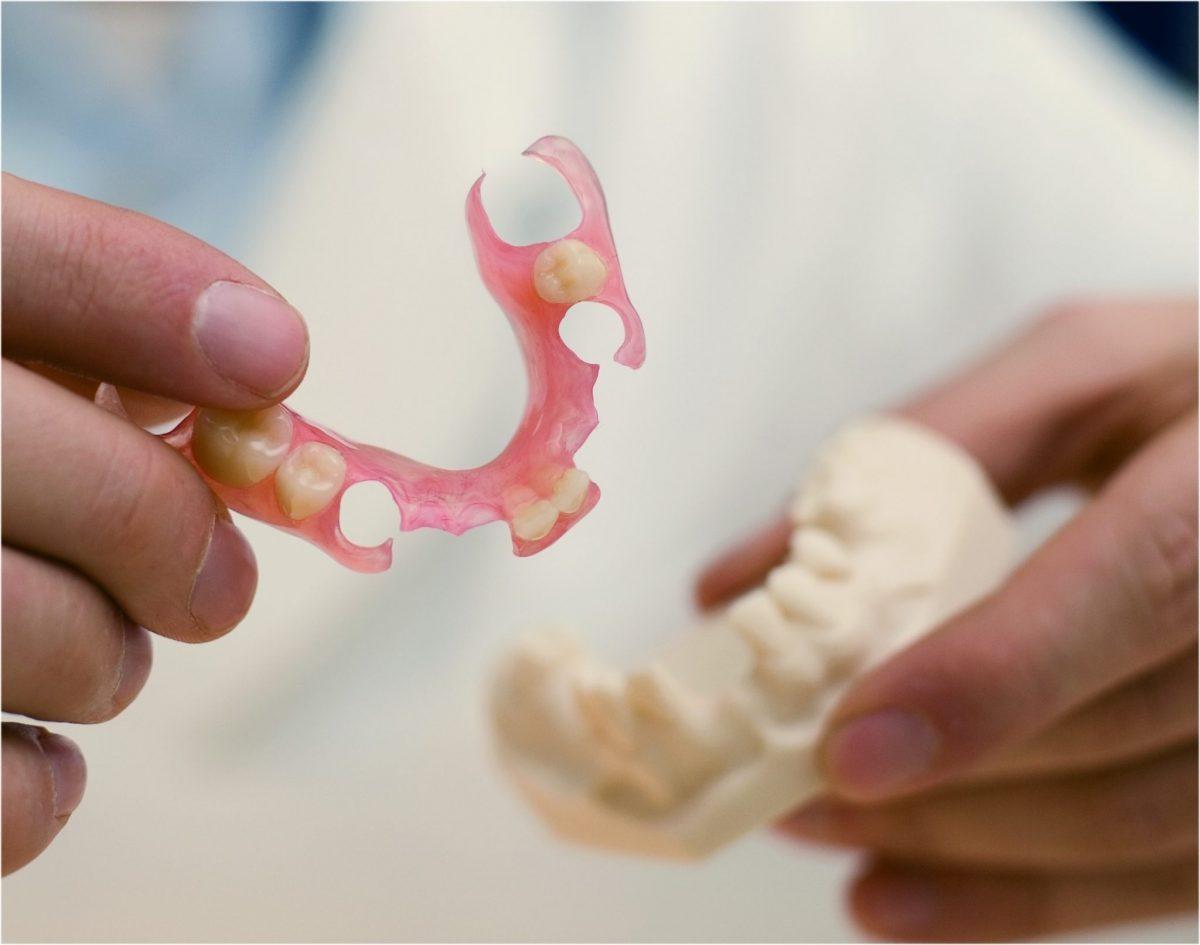
Flexible dentures are removable dental prosthetics made from soft, bendable thermoplastic materials rather than rigid acrylic or metal. They are designed to replace one or more missing teeth while adapting comfortably to the natural contours of your gums.
Unlike conventional partial dentures, flexible dentures usually feature:
- Gum-colored flexible clasps instead of metal hooks
- Thin, lightweight bases
- Better adaptability to mouth movement
- More natural appearance
They are commonly used as partial dentures, although in some cases flexible materials may be incorporated into other removable prosthetics.
How Do Flexible Dentures Work?
Flexible dentures rest comfortably on the gums and attach around remaining natural teeth using soft clasps that blend with the gum line.
Because the material bends slightly during insertion and removal, it can feel more comfortable than rigid dentures for many patients.
Their design helps:
- Replace missing teeth
- Restore chewing function
- Improve speech
- Maintain smile appearance
- Prevent neighboring teeth from shifting
Materials Used in Flexible Dentures
Most flexible dentures are made from thermoplastic nylon-based materials or similar advanced resins.
These materials are known for:
- Flexibility
- Strength
- Crack resistance
- Lightweight comfort
- Tissue-friendly performance
Different brands and formulations may vary in softness, durability, and finish.
Benefits of Flexible Dentures
1. Greater Comfort
Because the material adapts to the shape of the gums, many patients find flexible dentures more comfortable than rigid acrylic alternatives.
Benefits may include:
- Less pressure on tissues
- Reduced irritation
- Easier adaptation period
2. Natural Appearance
One of the biggest advantages is aesthetics.
Flexible dentures often avoid visible metal clasps. Instead, gum-colored clasps blend into the surrounding tissues, creating a more discreet appearance.
This is especially valuable when replacing front or side teeth visible during smiling.
3. Lightweight Feel
Flexible dentures are usually lighter than some traditional partial dentures, making them feel less bulky in the mouth.
4. Metal-Free Option
For patients who dislike metal or have sensitivities, flexible dentures provide a metal-free removable solution.
5. Good Retention
Their design can offer a snug fit around remaining teeth and gums, helping reduce movement during speaking or eating.
6. Durable and Crack Resistant
Flexible materials are often less likely to fracture if dropped compared with rigid acrylic dentures.
Types of Flexible Dentures
1. Flexible Partial Dentures
The most common type. Used when several natural teeth remain.
They fill spaces caused by missing teeth and anchor around existing teeth.
2. Single-Tooth Flexible Replacement
In some cases, a small flexible appliance may replace one missing tooth temporarily or semi-permanently.
3. Upper Flexible Dentures
Designed for missing teeth in the upper jaw, shaped to maximize comfort and fit.
4. Lower Flexible Dentures
Used for missing teeth in the lower jaw, often designed to avoid bulky metal frameworks.
Common Uses of Flexible Dentures
Flexible dentures are often recommended for:
- Replacing multiple missing teeth
- Patients seeking aesthetic partial dentures
- Individuals sensitive to metal
- People who struggle with rigid dentures
- Transitional tooth replacement after extractions
- Patients wanting a lightweight removable option
Flexible Dentures vs Traditional Partial Dentures
| Feature |
Flexible Dentures |
Traditional Partial Dentures |
| Material |
Soft thermoplastic |
Acrylic / metal |
| Comfort |
Often higher |
Moderate |
| Appearance |
Very natural |
Metal clasps may show |
| Weight |
Lightweight |
Heavier |
| Flexibility |
High |
Low |
| Repairability |
More difficult |
Easier |
Are Flexible Dentures Right for Everyone?
While they are excellent for many people, they are not ideal in every case.
They may be less suitable when:
- Major bite correction is needed
- Very heavy chewing forces are present
- Extensive tooth loss requires stronger support
- Future modifications are expected frequently
A dentist can recommend the best option based on oral health and goals.
How Flexible Dentures Are Made
The process usually includes:
- Dental examination
- Impressions or digital scans
- Bite records
- Design planning
- Laboratory fabrication
- Fitting and adjustments
A skilled dental lab is important for achieving comfort, retention, and appearance.
How to Care for Flexible Dentures
To keep them in good condition:
- Clean daily using approved denture cleaners
- Use a soft brush
- Avoid hot water
- Store safely when not in use
- Attend regular dental checkups
Avoid harsh chemicals unless recommended by your dentist.
How Long Do Flexible Dentures Last?
With proper care, flexible dentures may last several years. Lifespan depends on:
- Material quality
- Daily care
- Bite forces
- Changes in gums and bone over time
Periodic replacement or adjustment may eventually be needed.
Final Thoughts
Flexible dentures are a modern, comfortable, and attractive solution for replacing missing teeth—especially for patients seeking a lightweight and metal-free alternative to traditional partial dentures.
With benefits such as better aesthetics, improved comfort, and natural retention, they have become a popular option in modern dentistry. The best results come from working with an experienced dentist and a quality dental lab that can customize the fit to your mouth.





 Arabic
 French
 Spanish
 Portuguese
 Deutsch
 Turkish
 Dutch
Dutch
 Italiano
 Russian
 Romaian
 Portuguese (Brazil)
 Greek
Greek