


Amorphous Core vs CRGO Core: Key Differences Explained
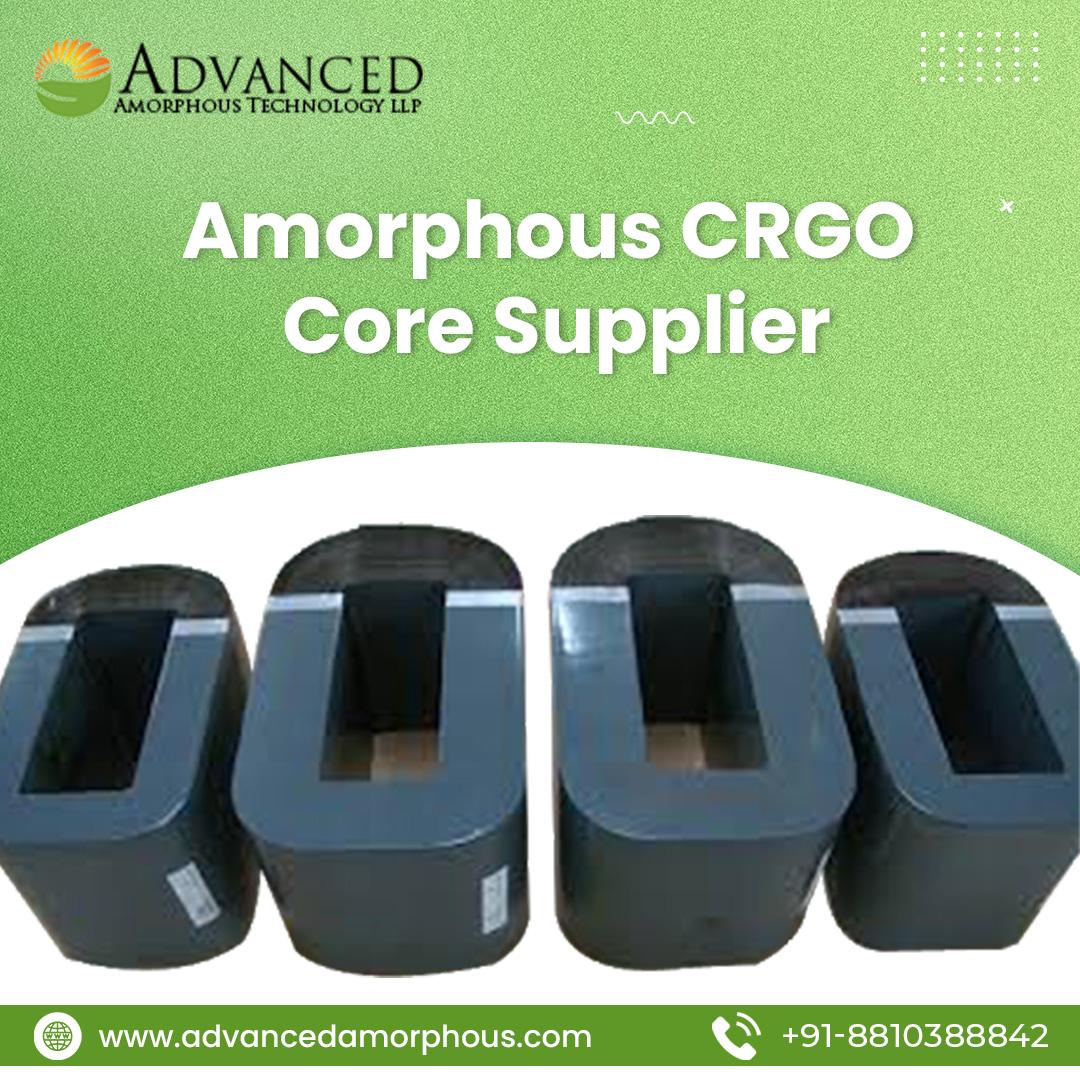
Amorphous Core vs CRGO Core: Main Differences Explained
The comparison of Amorphous Core vs CRGO Core helps engineers and power companies choose better options for transformers. These materials bring different strengths in energy use and long-term reliability. Amorphous cores rely on a non-crystalline alloy that cuts energy waste. CRGO cores use traditional cold-rolled grain-oriented silicon steel. This guide explains the main differences in straightforward terms. Advanced Amorphous stands out as a trusted leader in this space. They focus on real quality and performance that meet everyday needs. Picking the right core affects costs, reliability, and environmental results for many years. Organizations now review both choices closely before deciding, and many turn to them for proven solutions.
Understanding Amorphous Core vs CRGO Core
When people examine Amorphous Core vs CRGO Core, they usually begin with how each material handles magnetic fields in daily operation. Amorphous cores form when metal alloys cool rapidly, so atoms remain in a disordered pattern rather than lining up neatly. This setup lets magnetic domains shift with very little resistance. CRGO cores use silicon steel sheets processed to align grains in one direction, which guides magnetic flux more effectively in that path. The random structure in amorphous material leads to noticeably lower energy losses overall. Advanced Amorphous maintains tight quality checks throughout production. They make sure each core works reliably in different transformer types and conditions. Experts weigh factors like load patterns, location, and service life when choosing. These basic differences shape efficiency, heat buildup, and running costs in real applications. The proper selection supports a steady power supply while keeping waste under control.
Material Composition and Structure Differences
The material makeup lies at the center of differences in Amorphous Core vs CRGO Core behavior. Amorphous alloys mix iron with silicon, boron, and similar elements, then cool them fast to create thin, flexible ribbons around 25 micrometers thick. This rapid cooling stops crystal formation and allows easy magnetic domain movement. CRGO steel passes through several rolling and heat treatment stages to build its oriented grain pattern that boosts permeability in one direction. The crystalline setup gives solid performance but creates higher internal friction during frequent field changes. These choices influence core thickness, weight, flexibility, and response to stresses. They pay close attention to every manufacturing detail. They deliver consistent products that perform as expected in finished transformers. Understanding them helps match the material to project needs. Such knowledge supports smarter decisions based on actual operating conditions.
Efficiency and Energy Loss Comparison
• Amorphous Core vs CRGO Core shows the clearest gap in no-load losses that continue even when power demand stays low.
• Amorphous cores can reduce these losses by 70 to 80 percent thanks to their thin ribbons and disordered atomic layout.
• Eddy currents stay limited while magnetic domains move with less friction compared to CRGO designs.
• CRGO cores work fine, but lose more energy during the many hours of light loading typical in distribution networks.
• They create cores that bring real electricity savings over the equipment lifetime.
• They produce transformers that run cooler and maintain steadier voltage under changing loads.
• Operators often report clear drops in wasted energy after moving to amorphous solutions.
This practical view explains why many now focus on lifetime performance numbers instead of just initial ratings.
Cost Considerations and Economic Factors
• Higher initial cost often comes with Amorphous Core vs CRGO Core because of the special alloys and processing steps involved.
• The extra money spent upfront usually returns through much lower energy bills across decades of continuous service.
• CRGO cores stay cheaper at purchase and fit smoothly into current manufacturing setups for tighter early budgets.
• Ongoing losses from CRGO units add up fast in systems that stay energized day and night.
• Electricity rates, load profiles, and expected service years shape the true total ownership cost.
• Buyers do well to look past the sticker price and run careful payback calculations.
• They offer guidance so customers can weigh options based on their own data.
Smart planning at the start leads to stronger financial results over the full life of the transformer.
Environmental Benefits and Sustainability Aspects
Environmental factors now play a bigger part in Amorphous Core vs CRGO Core choices. Lower losses from amorphous cores mean power plants generate less electricity for the same end-user demand. This directly cuts greenhouse gas emissions and helps improve local air quality. CRGO transformers have given good service for many years, yet they keep using extra energy every single day. Switching to amorphous options lets utilities meet sustainability targets while keeping reliable power flowing. Advanced Amorphous works to balance strong performance with responsible production methods. They create products that support green goals across the industry. Longer service life also reduces waste from repeated replacements and raw material use. These advantages appeal to projects that value both efficiency and care for the environment in equal measure.
Applications and Future Outlook
Different uses favor the Amorphous Core vs. the CRGO Core based on daily operating patterns. Distribution transformers in homes and small commercial sites gain the most from amorphous technology due to frequent light loads. Industrial locations with steady heavy demand may still choose CRGO where proven overload strength matters. Renewable setups like solar and wind farms turn to amorphous cores to capture every bit of efficiency possible. Future work focuses on raising saturation levels and testing hybrid designs that mix the benefits from both materials. Advanced Amorphous keeps improving production to fit modern smart grid requirements. They stay at the forefront of these developments. Professionals who learn these differences can specify equipment that lasts and performs well. The power sector gradually shifts toward smarter solutions, and amorphous technology forms a useful part of that movement.
Conclusion
The comparison of Amorphous Core vs CRGO Core clearly shows the advantages of amorphous technology in efficiency, energy savings, and environmental impact. While CRGO cores remain a familiar and cost-effective choice in some cases, amorphous cores deliver superior long-term value for most distribution applications. Advanced Amorphous stands ready as a reliable partner with high-quality cores, consistent delivery, and strong customer support. They focus on creating real value through advanced materials and careful manufacturing. Organizations looking to reduce losses, lower operating costs, and meet sustainability goals can trust them for dependable solutions. Their commitment to excellence helps build a more efficient and greener power future. Choosing them means investing in performance you can count on for years ahead.
FAQ Content
1. What is the main difference between Amorphous Core and CRGO Core?
Amorphous Core transformers offer lower energy loss and higher efficiency, while CRGO Core transformers are known for stable performance, durability, and cost-effective use in power systems.
2. Which transformer core is more energy efficient?
In Amorphous Core vs CRGO Core: Key Differences, amorphous cores are more energy efficient because they reduce no-load losses and help save electricity in long-term transformer operations.
3. Why are amorphous core transformers becoming popular?
Amorphous core transformers are becoming popular because they improve energy savings, reduce heat generation, lower power loss, and support eco-friendly power distribution systems.
4. How does Advanced Amorphous help in transformer solutions?
Advanced Amorphous provides advanced transformer core solutions designed to improve efficiency, reduce energy loss, and support reliable transformer performance.
5. Which core type is best for modern power distribution?
When comparing Amorphous Core vs CRGO Core: Key Differences, amorphous cores are often preferred for modern power distribution due to better efficiency and lower operational losses.

 Arabic
 French
 Spanish
 Portuguese
 Deutsch
 Turkish
 Dutch
Dutch
 Italiano
 Russian
 Romaian
 Portuguese (Brazil)
 Greek
Greek