


The Evolution and Engineering of Passenger Lift Dubai: A Comprehensive Guide
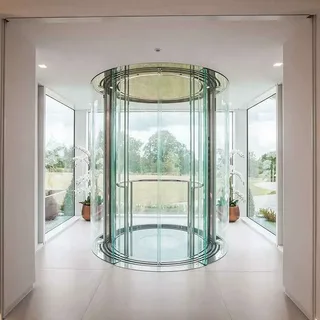
The skyline of Dubai is a testament to human ambition and architectural prowess. As the city continues to reach new heights, the technology that moves people vertically has become more than just a convenience—it is a lifeline. A passenger lift in Dubai is no longer just a motorized box; it is a sophisticated piece of engineering designed to handle high traffic, extreme heat, and the need for seamless integration into smart buildings.
In this guide, we dive deep into the world of vertical transportation in the UAE, exploring how these systems work, what to look for when installing one, and the future of mobility in the Middle East.
Understanding the Significance of Vertical Mobility in Dubai
Dubai's urban planning is defined by high-rise developments. From the iconic Burj Khalifa to the residential clusters in Dubai Marina, the efficiency of a building is often measured by its elevator system.
-
Speed and Efficiency: In a city where time is money, high-speed passenger lifts are essential.
-
Urban Density: Lifts allow for higher density living, which is crucial for sustainable urban growth.
-
Accessibility: Modern Dubai prioritizes inclusivity, making elevators a legal and ethical requirement for public and private spaces.
Key Types of Passenger Lifts Found in Dubai
Not all elevators are created equal. Depending on the building's height and purpose, different mechanical systems are employed.
Traction Elevators
Commonly used in mid-to-high-rise buildings, traction lifts use ropes and sheaves. They are known for their high speeds and smooth ride quality.
Hydraulic Elevators
These are typically used for low-rise buildings (2–5 floors). They operate via a piston at the bottom of the lift that pushes the car up. They are cost-effective but slower than traction models.
Machine Room-Less (MRL) Lifts
A favorite among modern Dubai architects, MRL lifts save space by housing the machinery within the hoistway rather than a dedicated room on the roof.
Essential Features of Modern Passenger Lifts
To meet the demands of luxury and functionality, a passenger lift in Dubai often includes:
-
Advanced Control Systems: AI-driven destination control that groups passengers going to the same floor.
-
Regenerative Drives: Technology that captures energy during braking and feeds it back into the building’s power grid.
-
Touchless Interfaces: Post-pandemic, many lifts now feature gesture or smartphone-based controls.
Safety Standards and Regulations in the UAE
The Dubai Municipality and Civil Defence have stringent codes for elevator safety. Every installation must adhere to EN 81-20/50 standards, ensuring structural integrity and passenger safety.
-
Emergency Communication: 24/7 links to monitoring centers.
-
Automatic Rescue Device (ARD): This ensures that during a power failure, the lift moves to the nearest floor and opens its doors.
-
Regular Inspections: Mandatory annual safety audits by third-party inspectors.
The Impact of Climate on Elevator Maintenance
Dubai’s unique environment—characterized by extreme heat and fine desert sand—poses challenges to mechanical longevity.
-
Cooling Systems: Elevators require specialized HVAC systems to prevent control panels from overheating.
-
Dust Protection: Sealing and regular cleaning are vital to prevent sand from interfering with the rails and sensitive sensors.
-
Humidity Control: High coastal humidity can lead to corrosion if materials are not properly treated.
Sustainable and Green Elevator Technology
As Dubai moves toward the "Green Building" initiative, energy-efficient lifts are in high demand. LED lighting, standby modes, and lightweight materials are now standard in new installations to reduce the carbon footprint of vertical travel.
Designing the Aesthetic: Interior Customization
In a city known for luxury, the interior of a passenger lift is an extension of the building’s brand.
-
Materials: Marble flooring, brushed gold finishes, and mirrored glass are popular.
-
Multimedia: Integrated LCD screens providing news, weather, and building announcements.
-
Lighting: Indirect LED "mood" lighting that changes based on the time of day.
Smart Building Integration
The "Internet of Elevators" is here. Lifts in Dubai are increasingly connected to Building Management Systems (BMS). This allows facility managers to monitor performance in real-time, predict mechanical failures before they happen, and optimize traffic flow during peak hours.
Choosing the Right Installation Partner
Selecting a provider for a passenger lift in Dubai requires looking at more than just the price tag.
-
Experience: Have they handled high-rise projects before?
-
After-Sales Service: Do they offer 24/7 emergency repair?
-
Customization: Can they adapt the design to fit unique architectural constraints?
Future Trends in Vertical Transportation
The future of elevators in Dubai likely involves "Ropeless" technology (using magnetic levitation) and lifts that can move both vertically and horizontally. This will redefine how skyscrapers are designed, allowing for even more complex architectural shapes.
Conclusion
The passenger lift is the silent engine of Dubai's growth. From the initial design phase to long-term maintenance, understanding the complexities of these systems is vital for developers and homeowners alike. By prioritizing safety, energy efficiency, and smart technology, Dubai continues to set the global standard for vertical living.
Frequently Asked Questions (FAQs)
What is the average cost of a passenger lift in Dubai?
The cost varies significantly based on the number of floors, the weight capacity, and the finishes. A basic residential lift may start at AED 70,000, while high-speed commercial systems can reach several hundred thousand dirhams.
How often should an elevator be serviced?
In Dubai, it is recommended to have a professional maintenance check once a month to ensure all components are functioning correctly, especially given the heat and dust conditions.
Can I install a passenger lift in an existing home?
Yes, many companies specialize in "retrofitting" elevators into existing villas using compact, MRL, or pneumatic vacuum technology that requires minimal structural changes.
What is the lifespan of a modern passenger lift?
With proper maintenance, a high-quality passenger lift can last 20 to 25 years before requiring a major modernization or replacement of key components.
Are glass elevators safe?
Absolutely. Glass elevators use reinforced safety glass and are built to the same rigorous safety standards as traditional steel-walled lifts.

 Arabic
 French
 Spanish
 Portuguese
 Deutsch
 Turkish
 Dutch
Dutch
 Italiano
 Russian
 Romaian
 Portuguese (Brazil)
 Greek
Greek