


Cataract Surgeon Dubai: Treatment Options and Eye Care Guide
Vision is one of the most important senses in our daily life. It helps us work, read, drive, and enjoy the world around us. But sometimes, eye problems can slowly affect our sight without us even realizing it. One of the most common eye conditions that affects people, especially as they age, is Cataract.
If you or your loved ones are experiencing blurry or cloudy vision, it may be time to consult a cataract surgeon dubai who can guide you through the right diagnosis and treatment options. In this guide, we will explain everything in very simple language so that you can clearly understand cataracts, their treatment, and how to take care of your eyes.
What Is a Cataract?
A cataract is a condition where the natural lens of the eye becomes cloudy. Normally, the lens is clear and helps focus light onto the retina. But when a cataract develops, it blocks or scatters light, making vision blurry or dim.
This condition usually develops slowly over time. In the beginning, you may not notice any changes. But as the cataract grows, it can affect your daily activities like reading, driving, or recognizing faces.
Common Symptoms of Cataracts
Cataracts do not appear suddenly. They develop gradually. Here are some common signs to watch for:
-
Blurry or cloudy vision
-
Difficulty seeing at night
-
Sensitivity to light or glare
-
Seeing halos around lights
-
Faded or yellowish colors
-
Frequent changes in glasses or contact lens prescription
-
Double vision in one eye
If you notice any of these symptoms, it is important to visit an eye specialist for proper evaluation.
What Causes Cataracts?
There are several reasons why cataracts develop. The most common cause is aging, but other factors can also play a role.
1. Aging
As we grow older, the proteins in the lens start to break down, leading to cloudiness.
2. Medical Conditions
Diseases like Diabetes can increase the risk of cataracts.
3. Eye Injuries
Past injuries or trauma to the eye can lead to cataract formation.
4. Long-Term Use of Steroids
Certain medications, especially steroids, may contribute to cataracts.
5. Exposure to UV Rays
Too much sunlight without protection can damage the eye lens over time.
6. Smoking and Alcohol
Unhealthy habits can also increase the chances of developing cataracts.
Types of Cataracts
Understanding the type of cataract helps in choosing the right treatment.
1. Nuclear Cataract
This type affects the center of the lens and is common with aging.
2. Cortical Cataract
It starts at the edges of the lens and moves inward.
3. Posterior Subcapsular Cataract
This type develops at the back of the lens and can affect vision faster.
4. Congenital Cataract
Some people are born with cataracts or develop them in childhood.
When Should You See a Cataract Specialist?
You should not wait until your vision becomes very poor. Early consultation can help manage the condition better.
Visit a specialist if:
-
Your vision is affecting daily tasks
-
You have trouble driving at night
-
Glasses are no longer improving your vision
-
You notice sudden vision changes
An experienced eye doctor will perform tests to check the clarity of your lens and overall eye health.
How Are Cataracts Diagnosed?
Diagnosis is simple and painless. An eye doctor will perform:
Eye Vision Test
To check how clearly you can see.
Slit-Lamp Examination
A special microscope is used to examine the eye structure.
Retinal Exam
To check the health of the retina at the back of the eye.
These tests help confirm whether you have cataracts and how advanced they are.
Cataract Treatment Options
The good news is that cataracts can be treated effectively. The treatment depends on how much your vision is affected.
1. Non-Surgical Management (Early Stage)
In the early stages, surgery may not be needed. Simple steps can help:
-
Wearing updated glasses
-
Using brighter lights
-
Wearing anti-glare sunglasses
-
Avoiding night driving if needed
However, these are temporary solutions.
2. Cataract Surgery (Definitive Treatment)
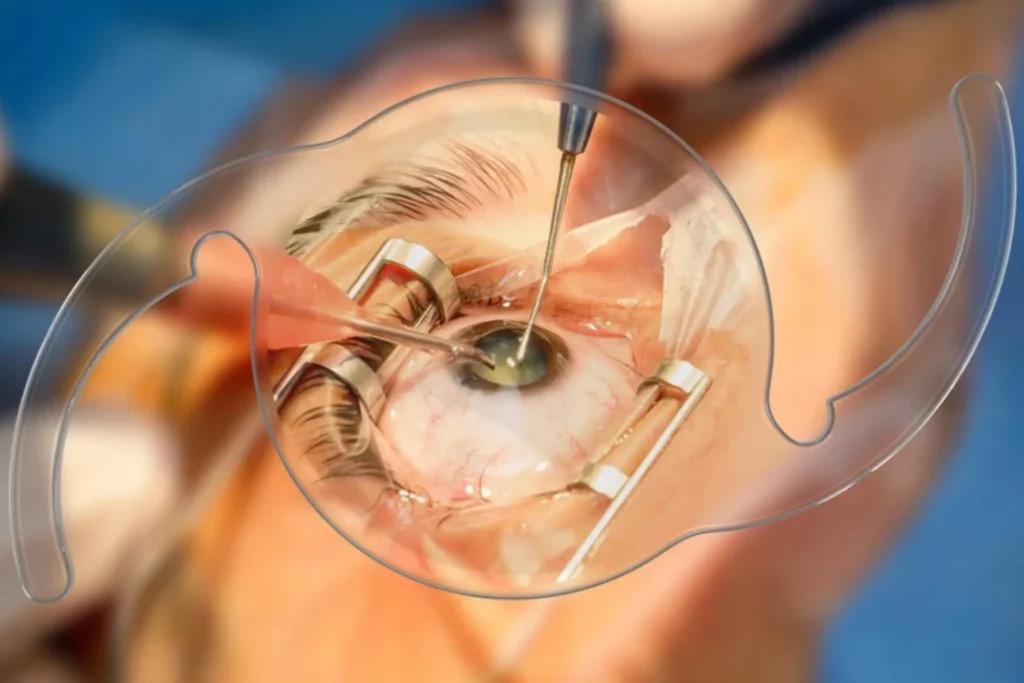
Surgery is the only permanent treatment for cataracts. It is safe, quick, and very common.
How Does Cataract Surgery Work?
-
The cloudy lens is removed
-
It is replaced with a clear artificial lens called an intraocular lens (IOL)
The procedure usually takes about 15–30 minutes and is done under local anesthesia.
Types of Cataract Surgery
There are different surgical techniques available today.
1. Phacoemulsification (Phaco Surgery)
This is the most common method. A small incision is made, and ultrasound waves are used to break the lens into tiny pieces, which are then removed.
2. Laser-Assisted Cataract Surgery
This advanced method uses laser technology for more precision and faster recovery.
3. Extracapsular Cataract Extraction (ECCE)
Used in advanced cases where the cataract is very dense.
Types of Intraocular Lenses (IOLs)
After removing the cataract, a lens is implanted. There are different types:
Monofocal Lenses
Provide clear vision at one distance (usually far).
Multifocal Lenses
Help you see both near and far without glasses.
Toric Lenses
Correct astigmatism along with cataracts.
Your doctor will help you choose the best option based on your needs and lifestyle.
What to Expect Before Surgery
Before surgery, your doctor will:
-
Measure your eye to select the right lens
-
Check your overall eye health
-
Give instructions about medications
-
Advise fasting for a few hours before the procedure
What Happens After Surgery?
Recovery is usually quick, but proper care is important.
Immediately After Surgery
-
You may feel mild discomfort or irritation
-
Vision may be slightly blurry at first
Within a Few Days
-
Vision improves gradually
-
You can return to normal activities with care
Post-Surgery Eye Care Tips
To ensure smooth recovery:
-
Use prescribed eye drops regularly
-
Avoid touching or rubbing your eyes
-
Wear protective glasses
-
Avoid heavy lifting and strenuous activity
-
Keep water and dust away from your eyes
Follow your doctor’s advice carefully for best results.
Possible Risks and Complications
Cataract surgery is very safe, but like any surgery, there are small risks:
-
Infection
-
Swelling
-
Bleeding
-
Retinal detachment
-
Vision changes
These complications are rare and can usually be managed if detected early.
Benefits of Cataract Surgery
Cataract surgery offers many life-changing benefits:
-
Clear and sharp vision
-
Improved quality of life
-
Better night vision
-
Reduced dependence on glasses
-
Brighter and more natural colors
Most patients feel a significant improvement in their daily life after surgery.
How to Prevent Cataracts
While aging cannot be stopped, you can reduce your risk by following healthy habits:
-
Wear sunglasses with UV protection
-
Eat a healthy diet rich in fruits and vegetables
-
Control medical conditions like diabetes
-
Avoid smoking
-
Get regular eye check-ups
Prevention and early detection are always better.
Choosing the Right Cataract Surgeon
Selecting the right specialist is very important for safe and successful treatment.
Here are some factors to consider:
-
Experience and qualifications
-
Use of advanced technology
-
Patient reviews and feedback
-
Clear communication and guidance
-
Personalized treatment approach
A good surgeon will not only perform the procedure but also guide you through every step.
Life After Cataract Surgery
After successful surgery, most patients enjoy improved vision and independence. Many can return to their normal lifestyle, including reading, driving, and working, without much difficulty.
However, regular eye check-ups are still important to maintain long-term eye health.
Conclusion
Cataracts are a common eye condition, but they are highly treatable with modern medical care. Early diagnosis, proper guidance, and timely surgery can help restore clear vision and improve your quality of life.
If you are experiencing symptoms or have concerns about your vision, consulting a trusted specialist is the best step forward. An experienced professional like Dr. Mandeep Lamba can provide expert care, accurate diagnosis, and advanced treatment options to help you see clearly again.

 English
 Arabic
 French
 Spanish
 Deutsch
 Turkish
 Dutch
Dutch
 Italiano
 Russian
 Romaian
 Portuguese (Brazil)
 Greek
Greek