


Choosing the Perfect Chandelier for Different Ceiling Heights
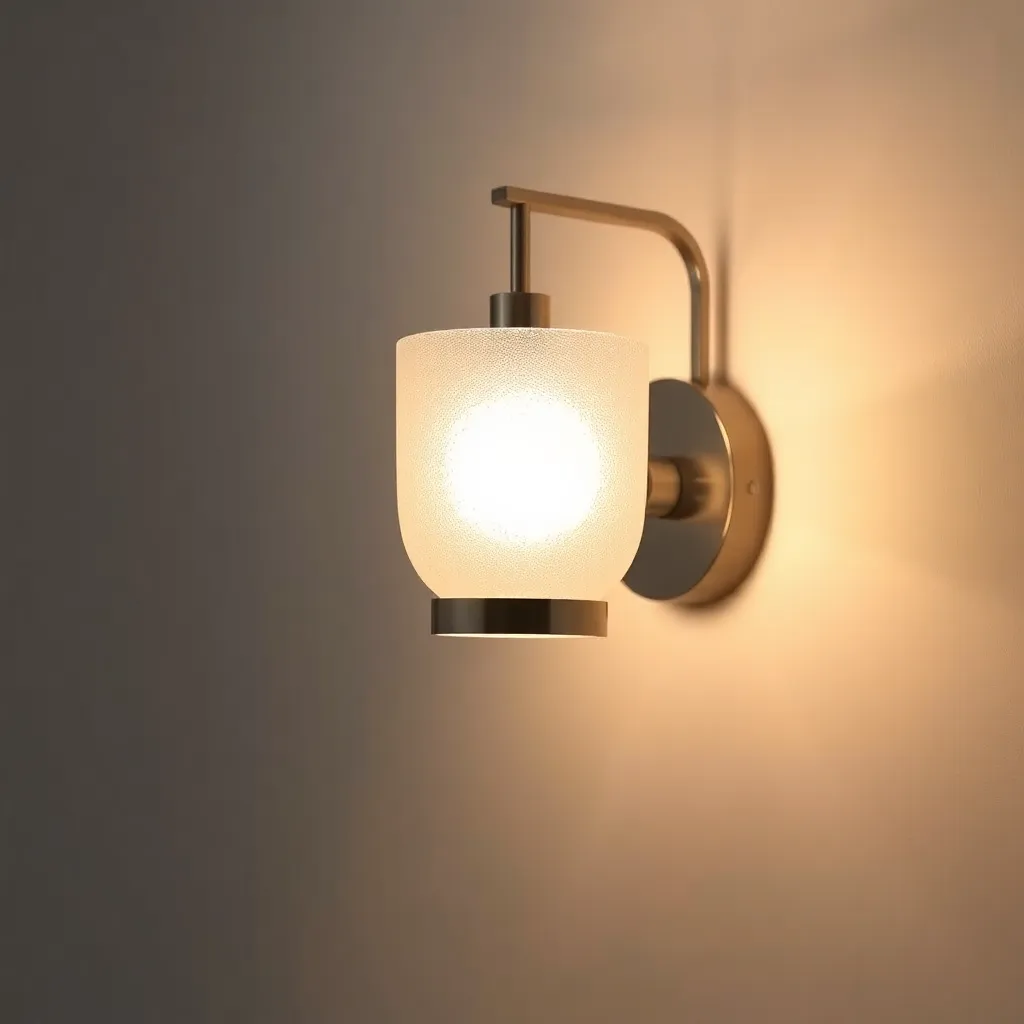
Lighting plays a vital role in shaping the atmosphere and visual balance of a room. Among the many decorative lighting options available, chandeliers stand out as striking focal points that combine functionality with elegance. However, selecting the right chandelier involves more than choosing an attractive design. Ceiling height significantly influences the size, placement, and style of the fixture. A chandelier that looks stunning in one room may feel overwhelming or awkward in another if the proportions are incorrect.
Understanding how ceiling height affects chandelier selection ensures that the lighting fixture enhances the space instead of disrupting it. From compact homes with lower ceilings to grand rooms with soaring heights, thoughtful selection allows this classic lighting element to complement any interior.
Understanding Ceiling Height and Its Impact
Ceiling height determines how much vertical space is available for lighting fixtures. The relationship between the chandelier’s dimensions and the room’s height affects both comfort and visual harmony. When the fixture hangs too low, it can obstruct movement and make the room feel cramped. When placed too high, the lighting effect may become weak and lose its decorative impact. In well-designed interiors, elements such as a Console Table Dubai can also complement the lighting arrangement, helping create a balanced and visually appealing space.
Interior designers often emphasize proportion when choosing chandeliers. The goal is to ensure that the fixture fills the vertical space appropriately while still maintaining comfortable clearance. Achieving this balance creates a cohesive look where the chandelier feels naturally integrated into the environment.
Beyond aesthetics, ceiling height also affects light distribution. Higher ceilings require fixtures that can project illumination over a wider area, while lower ceilings benefit from designs that spread light more evenly across the room.
Chandeliers for Low Ceilings (8 Feet or Less)
Rooms with lower ceilings require careful chandelier selection to avoid creating a crowded or oppressive feeling. In these spaces, compact fixtures or semi-flush designs work best because they stay close to the ceiling while still providing decorative appeal.
A smaller chandelier with minimal vertical length helps maintain comfortable headroom. Designs featuring horizontal arms or shallow structures often complement these environments because they spread outward rather than downward. This configuration creates visual interest without sacrificing practicality.
Another important consideration is scale. Oversized lighting can dominate a room with limited vertical space, making the ceiling feel even lower. Choosing a fixture that aligns with the room’s dimensions ensures the chandelier enhances the space rather than overwhelming it.
Materials and design elements also influence perception. Light, open structures or fixtures with transparent components help create a sense of airiness. These styles prevent the chandelier from appearing heavy or bulky in rooms where vertical space is limited.
Chandeliers for Standard Ceilings (8 to 10 Feet)
Standard ceiling heights provide more flexibility in chandelier selection. Many homes fall within this range, allowing for a wider variety of designs and sizes. Traditional hanging fixtures work well here, as long as the drop length is carefully measured.
A common guideline suggests leaving about seven feet of clearance between the floor and the lowest part of the chandelier in open areas. This ensures that the fixture remains comfortably above head level while still being visible as a decorative feature.
In dining rooms or spaces with tables, chandeliers can hang lower because the furniture naturally defines the area beneath the fixture. Placing the chandelier approximately 30 to 36 inches above the tabletop typically creates balanced illumination and visual focus.
For living rooms with standard ceilings, mid-sized chandeliers featuring multiple arms or layered lighting elements can add depth and sophistication. These fixtures provide adequate brightness while also serving as a stylish centerpiece.
Chandeliers for High Ceilings (10 to 12 Feet)
Higher ceilings introduce opportunities to experiment with more dramatic chandelier designs. With increased vertical space, homeowners can explore fixtures that include multiple tiers, elongated structures, or cascading elements.
When ceilings exceed ten feet, longer suspension chains or rods help position the chandelier at an appropriate height. This prevents the fixture from appearing distant or disconnected from the rest of the room. Proper placement ensures the lighting remains both functional and visually engaging.
Layered chandeliers are particularly effective in taller spaces because they fill vertical gaps and create an impressive presence. Multiple tiers allow light to spread across different levels, enhancing brightness while maintaining aesthetic appeal.
Rooms with tall ceilings also benefit from larger diameters. Wider chandeliers complement the expanded scale of the environment and help maintain visual balance between furniture, walls, and lighting.
Chandeliers for Very High Ceilings and Entryways
Grand entryways, staircases, and double-height living areas often feature ceilings that extend far beyond typical residential dimensions. In these spaces, chandeliers can become architectural highlights that dramatically define the interior.
Large multi-level fixtures work exceptionally well in such environments. Their extended height fills the vertical space, preventing the ceiling from appearing empty or disproportionate. Cascading designs, spiral structures, and tiered arrangements can add dramatic visual movement.
When installing a chandelier in a tall entryway, positioning becomes especially important. The fixture should align with the center of the space and remain visible from different floors if the area includes balconies or stair landings.
Maintenance should also be considered in rooms with extremely high ceilings. Choosing a fixture designed for easier cleaning or equipped with adjustable suspension systems can simplify upkeep over time.
Determining the Right Size
Beyond ceiling height, the overall dimensions of the room also influence chandelier selection. A common rule for determining diameter involves adding the room’s length and width in feet and converting the total into inches. For example, a room measuring 12 by 14 feet may suit a chandelier with a diameter of around 26 inches.
This guideline helps ensure the fixture complements the room’s proportions without appearing too small or too large. While this method provides a helpful starting point, personal style and design preferences can still guide the final decision.
Height also plays a role in determining the fixture’s vertical length. Some designers recommend allocating approximately two to three inches of chandelier height for every foot of ceiling height. This approach helps create balanced proportions that feel appropriate for the space.
Style Considerations for Different Heights
Chandeliers come in a wide range of styles, each offering unique visual characteristics. Ceiling height often influences which designs appear most suitable.
For lower ceilings, streamlined fixtures with simple shapes help maintain openness. Minimalist structures or contemporary designs with clean lines can add elegance without overwhelming the room.
Standard ceiling heights allow for greater stylistic variety. Traditional chandeliers featuring multiple arms, decorative details, or sculptural forms can become striking focal points.
Higher ceilings accommodate more elaborate pieces. Multi-tier chandeliers, elongated forms, and dramatic arrangements create visual impact and fill the vertical space effectively.
Regardless of ceiling height, selecting a design that complements the room’s interior style ensures the chandelier integrates seamlessly with the surrounding décor.
Placement and Installation Tips
Proper installation is essential for achieving both safety and aesthetic harmony. Before mounting a chandelier, measuring the available space helps determine the correct drop length and diameter.
Electrical placement should also align with the center of the room or the focal area. In dining rooms, for example, the chandelier should hang directly above the table to maintain symmetry.
Using adjustable chains or rods allows flexibility during installation. This feature makes it easier to fine-tune the chandelier’s height until the ideal placement is achieved.
Lighting brightness should also be considered. Chandeliers often work best when combined with additional light sources such as wall fixtures, table lamps, floor lamps/مصابيح أرضية or recessed lighting. Layered illumination improves functionality and creates a balanced atmosphere.
Balancing Aesthetics and Functionality
A chandelier should enhance both the appearance and practicality of a room. While decorative appeal is important, the fixture must also provide sufficient illumination for everyday activities.
Choosing bulbs with appropriate brightness ensures the chandelier contributes effectively to the room’s lighting scheme. Warm light often creates a welcoming atmosphere, while cooler tones may suit modern interiors or workspaces.
Dimmers can also improve versatility. Adjustable lighting levels allow the chandelier to transition from bright functional lighting to softer ambient illumination for relaxing or entertaining.
Balancing beauty with practicality ensures the chandelier becomes a lasting and valuable element of the room.
Conclusion
Selecting the perfect chandelier requires careful consideration of ceiling height, room size, and design style. Each environment presents unique challenges and opportunities, from compact spaces with low ceilings to expansive areas with dramatic vertical dimensions.
By choosing fixtures that align with the room’s proportions and installing them at appropriate heights, homeowners can create balanced and visually appealing interiors. Thoughtful selection ensures the chandelier not only provides effective illumination but also enhances the overall character of the space.
Whether subtle and understated or bold and dramatic, the right chandelier transforms lighting into an architectural feature that enriches the atmosphere of any room.

 Arabic
 French
 Spanish
 Portuguese
 Deutsch
 Turkish
 Dutch
Dutch
 Italiano
 Russian
 Romaian
 Portuguese (Brazil)
 Greek
Greek