


10 Best Educational Toys That Make Learning Fun for Kids
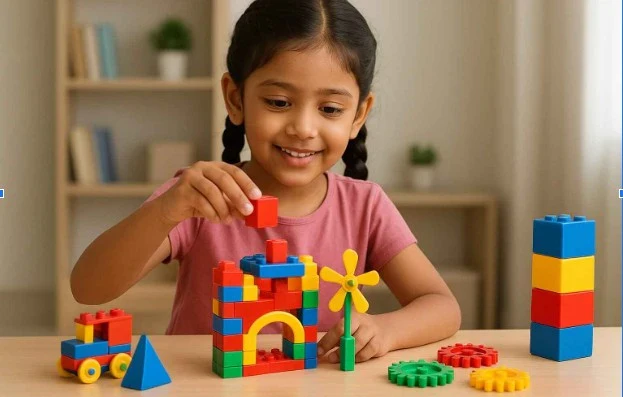
Children naturally learn through play. When toys combine fun with learning, they can help kids develop creativity, curiosity, and problem-solving skills from an early age. This is why educational toys have become an essential part of modern learning. They help children explore new ideas while improving cognitive development, motor skills, and social interaction.
Educational toys are designed to stimulate a child’s imagination and encourage hands-on learning. Instead of simply entertaining kids, these toys introduce important concepts such as numbers, shapes, science, language, and critical thinking. By playing with the right toys, children can develop essential life skills while enjoying the learning process.
Why Educational Toys Are Important for Kids
Educational toys offer several benefits that support a child’s development. They encourage active learning and help children explore the world around them in a creative way. Through interactive play, kids learn how to think independently, solve problems, and express their ideas.
These toys also help improve hand-eye coordination and fine motor skills. Many educational toys require children to build, sort, match, or assemble pieces, which strengthens both physical and mental abilities. Additionally, playing with educational toys can boost a child’s confidence as they learn to complete challenges and achieve small goals during playtime.
10 Best Educational Toys That Make Learning Fun for Kids
1. Building Blocks
Building blocks are a timeless educational toy that encourages creativity and imagination. Children can build structures, towers, and different shapes while learning about balance and spatial awareness. This toy also helps improve fine motor skills and problem-solving abilities.
2. STEM Learning Kits
STEM kits introduce children to science, technology, engineering, and mathematics through fun activities. These kits often include experiments, building tasks, or simple robotics that help kids understand basic scientific concepts.
3. Puzzle Games
Puzzle games are excellent for developing critical thinking and concentration. When children solve puzzles, they learn patience, pattern recognition, and logical reasoning.
4. Magnetic Construction Toys
Magnetic building toys allow kids to easily connect pieces and build creative structures. These toys teach basic engineering concepts and help children understand shapes and geometry.
5. Educational Board Games
Board games designed for learning can teach children valuable skills such as teamwork, strategy, and decision-making. They also help kids develop math, vocabulary, and memory skills.
6. Coding and Robotics Toys
Coding toys introduce children to basic programming concepts through fun and interactive activities. These toys help develop logical thinking and problem-solving skills while sparking an interest in technology.
7. Art and Craft Kits
Creative toys such as painting sets, drawing kits, and craft projects encourage children to express their imagination. They also help improve fine motor skills and creativity.
8. Science Experiment Kits
Science kits allow children to perform simple experiments at home. These toys inspire curiosity and help kids understand how science works in the real world.
9. Shape Sorters and Learning Cubes
These toys are perfect for younger children. They help kids recognize shapes, colors, and patterns while improving coordination and early problem-solving skills.
10. Interactive Learning Tablets
Educational tablets designed for children combine technology with learning. They offer games and activities that teach numbers, letters, and language skills in an engaging way.
Conclusion
Educational toys play a vital role in helping children learn while having fun. They encourage creativity, improve problem-solving abilities, and support both cognitive and physical development. By choosing the right toys, parents can create a learning environment that inspires curiosity and exploration. Investing in quality educational toys keeps children engaged while helping them build important skills that support their future academic and personal growth.

 Arabic
 French
 Spanish
 Portuguese
 Deutsch
 Turkish
 Dutch
Dutch
 Italiano
 Russian
 Romaian
 Portuguese (Brazil)
 Greek
Greek