


Zirconia Crowns Explained: Benefits, Types, and Uses
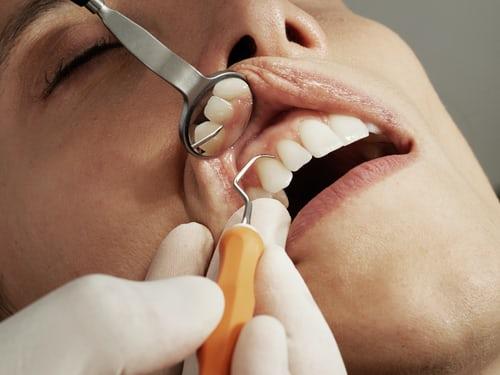
Dental crowns are one of the most common restorative treatments used to repair damaged, weak, or cosmetically compromised teeth. Among the many crown materials available today, zirconia crowns have become one of the most popular choices because they combine strength, durability, and natural appearance.
Whether you need to restore a cracked tooth, protect a root canal-treated tooth, or improve your smile, zirconia crowns offer a modern and reliable solution. In this complete guide, we’ll explain what zirconia crowns are, their benefits, types, common uses, and why they are widely trusted in modern dentistry.
What Is a Zirconia Crown?


A zirconia crown is a dental crown made from zirconium dioxide, a highly durable ceramic material known for its strength and biocompatibility.
A crown is a cap placed over a damaged tooth to restore:
- Shape
- Size
- Strength
- Function
- Appearance
Zirconia crowns are especially valued because they provide the toughness of metal-like materials while maintaining a tooth-colored appearance.
Why Zirconia Is Popular in Dentistry
Zirconia has become a preferred material because it offers an excellent balance of performance and aesthetics.
Key reasons include:
- High fracture resistance
- Long lifespan
- Natural-looking color
- Metal-free composition
- Suitable for front and back teeth
- Excellent compatibility with gums
This makes zirconia a versatile option for many dental patients.
Benefits of Zirconia Crowns
1. Exceptional Strength


Zirconia is one of the strongest materials used in restorative dentistry.
It can handle heavy chewing forces, making it ideal for:
- Molars
- Premolars
- Patients who grind teeth
- Long-span restorations in selected cases
2. Natural Appearance
Modern dentcare zirconia crowns are designed to mimic the shade and translucency of natural teeth.
This helps create a restoration that blends with surrounding teeth, especially with newer high-translucent zirconia materials.
3. Long-Lasting Durability
Zirconia crowns are highly resistant to:
- Chipping
- Cracking
- Wear
- Corrosion
With proper care, they often last many years.
4. Metal-Free Restoration


Unlike some traditional crowns, zirconia contains no metal. This avoids dark gum lines sometimes associated with metal-based crowns.
5. Biocompatibility
Zirconia is generally well tolerated by oral tissues and is a popular choice for patients seeking biocompatible materials.
6. Precise Digital Manufacturing
Many zirconia crowns are made using CAD/CAM technology, allowing excellent fit and consistency.
Types of Zirconia Crowns


1. Monolithic Zirconia Crowns
Made from a single solid block of zirconia.
Benefits:
- Extremely strong
- Highly durable
- Ideal for back teeth
2. Layered Zirconia Crowns
A zirconia core is covered with aesthetic porcelain layers.
Benefits:
- More natural translucency
- Better for visible front teeth
3. High-Translucent Zirconia Crowns
Newer generation zirconia with improved aesthetics while maintaining strong performance.
Often used where both beauty and strength are important.
Common Uses of Zirconia Crowns
Zirconia crowns are commonly used for:
- Broken teeth
- Large fillings needing coverage
- Root canal-treated teeth
- Worn teeth from Bruxism
- Cosmetic smile improvements
- Dental implants (as implant crowns)
- Bridges in selected cases
Zirconia Crowns for Front Teeth


Older zirconia was sometimes considered too opaque for front teeth. However, modern translucent zirconia has greatly improved aesthetics.
Today, zirconia is often used successfully for front teeth when designed properly.
Zirconia Crowns for Back Teeth
Back teeth experience the highest chewing pressure. Zirconia is an excellent option for molars because of its outstanding strength and wear resistance.
Zirconia Crowns vs Other Crown Materials
| Material | Strength | Aesthetics | Metal-Free | Durability |
|---|---|---|---|---|
| Zirconia | Excellent | Very Good | Yes | Excellent |
| Porcelain | Moderate | Excellent | Yes | Moderate |
| PFM (Porcelain-Fused-to-Metal) | Good | Good | No | Good |
| Gold/Metal | Excellent | Low | No | Excellent |
The Crown Procedure


Getting a zirconia crown usually involves:
- Examination and treatment planning
- Tooth preparation
- Impression or digital scan
- Temporary crown (if needed)
- Lab fabrication
- Final cementation and bite adjustment
Some clinics may offer same-day digital crowns.
Are There Any Limitations?
Although zirconia crowns are excellent, some considerations include:
- May cost more than basic crown materials
- Aesthetic layering options may be needed in high-cosmetic cases
- Requires skilled design and adjustment
- Extremely hard surfaces must be polished correctly
How Long Do Zirconia Crowns Last?
With good oral care, zirconia crowns often last 10–15 years or longer depending on:
- Hygiene habits
- Bite forces
- Grinding habits
- Regular dental checkups
Caring for Zirconia Crowns
To maximize lifespan:
- Brush twice daily
- Floss around the crown
- Avoid chewing ice or hard objects
- Wear a night guard if you grind
- Visit your dentist regularly
Role of Dental Labs in Zirconia Crowns


A quality dental lab is essential for:
- Accurate fit
- Natural shade matching
- Proper contours
- Bite precision
- Durable finishing
The best crown depends not only on the material, but also on expert craftsmanship.
Final Thoughts
Zirconia crowns are one of the best modern solutions for restoring damaged teeth because they combine strength, aesthetics, and long-term durability. They are suitable for both front and back teeth and offer a reliable metal-free alternative to traditional crowns.
If you need a crown and want a strong, natural-looking restoration, zirconia is often an excellent option. Working with an experienced dentist and trusted dental lab helps ensure the best result.

 English
 Arabic
 French
 Spanish
 Portuguese
 Deutsch
 Turkish
 Dutch
Dutch
 Italiano
 Russian
 Portuguese (Brazil)
 Greek
Greek