


Door Supervisor in London: A Complete Guide to Roles, Licensing, and Career Opportunities
Introduction
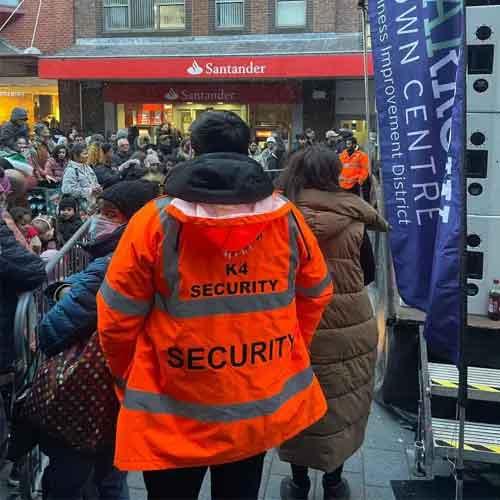
If you’ve ever visited a busy nightclub, concert venue, or upscale bar in London, you’ve likely encountered a door supervisor. These professionals are much more than just security guards standing at the entrance. A door supervisor in London plays a critical role in maintaining safety, managing crowds, and ensuring that venues operate smoothly within legal guidelines. With London’s vibrant nightlife and bustling hospitality industry, the demand for skilled door supervisors continues to grow.
What Is a Door Supervisor?
A door supervisor is a licensed security professional responsible for controlling access to venues such as clubs, bars, events, and private functions. Their duties go beyond simply checking IDs. They are trained to handle conflict, ensure compliance with venue policies, and respond to emergencies.
In London, door supervisors must hold a valid Security Industry Authority license, which ensures they meet strict standards of training and professionalism.
Why Door Supervisors Are Essential in London
London is known for its diverse nightlife and entertainment scene. With thousands of venues operating every night, maintaining safety and order is a major priority. Door supervisors help prevent incidents such as overcrowding, underage entry, and disorderly conduct.
They also act as the first point of contact for guests, setting the tone for the venue’s atmosphere. A professional and approachable door supervisor can enhance customer experience while maintaining strict security standards.
Legal Requirements and SIA Licensing
To work legally as a door supervisor in London, obtaining an SIA license is mandatory. This license demonstrates that the individual has completed approved training and passed background checks.
The licensing process involves identity verification, criminal record checks, and completion of a certified training course. Without this license, it is illegal to work in security roles at licensed premises in the UK.
Skills Needed to Become a Door Supervisor
Being a door supervisor requires a unique blend of interpersonal and practical skills. Strong communication is essential, as supervisors interact with a wide range of people. Conflict management skills are equally important, allowing them to de-escalate tense situations effectively.
Physical fitness can also be beneficial, as the role may involve standing for long hours and responding quickly to incidents. Attention to detail is crucial when checking identification and monitoring behavior.
Training and Certification Process
Training to become a door supervisor typically involves a course that covers topics such as conflict management, physical intervention, and safety awareness. These courses are designed to prepare individuals for real-world scenarios they may face on the job.
After completing the training, candidates must apply for their SIA license. Once approved, they can begin working in licensed venues across London.
Daily Responsibilities of a Door Supervisor
A typical day for a door supervisor can vary depending on the venue. However, common responsibilities include checking identification, monitoring crowd behavior, and enforcing venue policies.
They also work closely with management and emergency services when needed. In some cases, they may handle situations involving intoxicated individuals or disputes between guests.
Work Environments and Opportunities
Door supervisors in London can find employment in a variety of settings. These include nightclubs, bars, hotels, corporate events, and private parties. Some professionals also work at large-scale events such as concerts and festivals.
The flexibility of the role allows individuals to choose shifts that suit their lifestyle, making it an attractive option for many.
Salary Expectations in London
Earnings for door supervisors in London can vary based on experience, location, and type of venue. Entry-level positions may start at a modest hourly rate, while experienced supervisors working at high-end venues can earn significantly more.
Additional benefits such as tips, bonuses, and overtime pay can also increase overall income.
Challenges of the Job
While the role offers many opportunities, it also comes with challenges. Dealing with difficult or intoxicated individuals can be stressful. Long working hours, especially during weekends and late nights, are common.
However, proper training and experience help supervisors handle these challenges effectively and professionally.
Career Growth and Progression
A career as a door supervisor can open doors to other opportunities within the security industry. With experience, individuals may progress to roles such as security manager, event coordinator, or even start their own security business.
Continuous training and gaining additional certifications can further enhance career prospects.
Tips to Succeed as a Door Supervisor
Success in this field requires professionalism, reliability, and strong interpersonal skills. Building good relationships with colleagues and customers can make a significant difference.
Staying updated with industry regulations and continuously improving skills can also help individuals stand out in a competitive market.
Table: Key Facts About Door Supervisors in London
| Aspect | Details |
|---|---|
| License Required | SIA License |
| Work Locations | Clubs, bars, events, hotels |
| Key Skills | Communication, conflict management |
| Average Working Hours | Evening and night shifts |
| Career Progression | Security manager, event security roles |
Conclusion
Becoming a door supervisor in London is more than just a job; it’s a career that requires responsibility, skill, and dedication. With the city’s ever-growing nightlife and event industry, the demand for qualified professionals remains strong. By obtaining the necessary training and developing key skills, individuals can build a rewarding and dynamic career in this field.
FAQs
What qualifications do I need to become a door supervisor in London?
You need to complete an approved training course and obtain an SIA license.
How long does it take to get licensed?
The process typically takes a few weeks, including training and application approval.
Can I work part-time as a door supervisor?
Yes, many roles offer flexible hours, including part-time opportunities.
Is the job physically demanding?
It can be, as it involves long hours standing and occasionally handling physical situations.
Are there opportunities for career growth?
Yes, experienced door supervisors can move into higher-level security roles or management positions.

 Arabic
 French
 Spanish
 Portuguese
 Deutsch
 Turkish
 Dutch
Dutch
 Italiano
 Russian
 Romaian
 Portuguese (Brazil)
 Greek
Greek