


Understanding the Ecological Mechanics and Modular Design Principles of Self-Sustaining Micro-Habitats
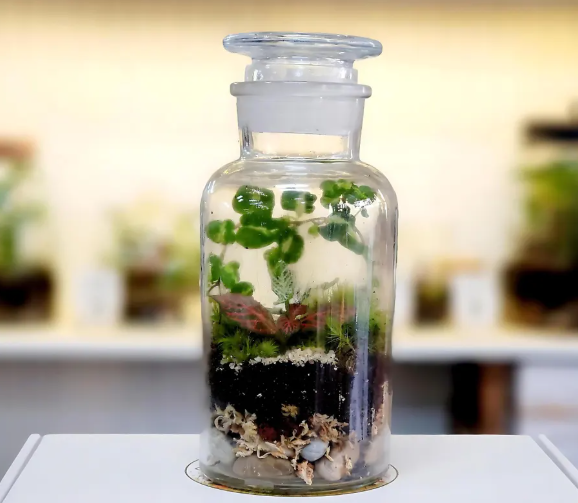
The architecture of closed environments relies on the principles of thermodynamics and continuous biochemical cycling. When plants, nutrient-rich soil, and moisture are enclosed within a glass container, they establish an independent cycle that mirrors the processes occurring in larger natural biomes. Light penetrates the glass, fueling the photosynthesis of the flora. Through this process, plants absorb carbon dioxide and release oxygen into the enclosed atmosphere. When the water in the soil evaporates, it rises, hits the cooler glass surface, and condenses, falling back down as gentle rain. This micro water cycle ensures that the plants always have access to hydration without requiring any external irrigation or maintenance.
Understanding the gas exchange inside a closed glass vessel is essential for ensuring long-term stability and robust growth. Respiration by both plant roots and microorganisms utilizes the available oxygen and produces carbon dioxide, creating a closed loop of vital atmospheric gases. The structural integrity of the glass acts as a barrier against external pollutants and fluctuating weather conditions. This allows the flora to grow in a highly stable environment. As the plants mature, they shed old leaves, which fall to the soil and provide organic material for the next generation of nutrients, ensuring that the enclosed environment remains active and productive.
The Science of Closed Biological Loops
Nutrient cycling within a closed environment is a fascinating process that keeps the entire system in a state of dynamic equilibrium. In an open environment, nutrients are replenished by natural rainfall and decomposing forest debris. In a closed glass habitat, these resources are finite and must be recycled efficiently. The soil composition plays a vital role in this process by holding onto essential minerals and moisture. Nitrogen fixing bacteria, along with mycorrhizal fungi, form a symbiotic network with the plant roots to extract these nutrients from the decaying organic matter, ensuring that the plants have a steady supply of energy throughout their life cycle.
The Mechanics of Scalable Components
Creating custom, scalable displays often requires an adaptable approach that fits various interior designs and available spaces. This is where modular eco system kits become an invaluable tool for both novice and experienced enthusiasts. These kits provide a flexible framework of interchangeable glass containers, soil substrates, and biological drainage layers that can be combined or expanded according to specific aesthetic preferences. By using standardized, compatible elements, you can easily adjust the scale of your display, introduce new botanical specimens, or upgrade the internal components without disturbing the underlying biological balance. The versatility of these kits eliminates the guesswork from designing self-sustaining habitats, allowing users to build complex, healthy microclimates with professional-grade materials.
Selecting the Ideal Flora for Balanced Growth
Choosing the appropriate vegetation is a critical step in building a sustainable and visually pleasing display for your home or office. Plants that grow rapidly or require direct, intense sunlight are generally not suited for sealed environments because they will quickly outgrow their containers and deplete the available nutrients. Instead, botanists and enthusiasts look for slow-growing, humidity-loving varieties that can thrive in high-moisture conditions. Tropical mosses, fittonias, miniature ferns, and creeping figs make excellent choices due to their compact growth habits and resilience.
The arrangement of the flora also affects how light and water are distributed throughout the vessel, ensuring that the ecological balance is maintained. Placing taller plants near the center or the back of the arrangement provides a natural sense of depth and structure. At the same time, low-lying mosses act as a living carpet that retains moisture in the substrate layer, preventing soil erosion. By balancing the types of plants, you ensure that none of the species dominate the available resources, promoting a harmonious coexistence that lasts for years.
Regulating Atmospheric and Moisture Conditions
The energy source for any sealed plant enclosure is light, but managing this energy correctly prevents the habitat from overheating or experiencing excessive evaporation. Glass magnifies the intensity of direct sunbeams, which can scorch fragile plant tissues and disrupt the delicate water cycle. For this reason, the habitat should be placed in a location with bright, indirect illumination rather than near a south-facing window. This strategic placement helps maintain a stable internal temperature, which is essential for the ongoing health of the biological community inside the glass.
Managing Light and Temperature
Artificial LED lighting can also be utilized to regulate the photoperiod with high precision. Supplying between ten and twelve hours of low heat, full spectrum light stimulates photosynthesis without raising the ambient temperature inside the glass vessel. Consistent temperature management ensures that the biological activities of the plants and the microfauna remain stable throughout the changing seasons. Monitoring these external factors allows the miniature environment to self-regulate its moisture cycles, resulting in a healthy, thriving display.
The Biological Cleanup Crew
A healthy, functioning habitat requires more than just plants and soil. To maintain a truly balanced environment, a healthy population of springtails and dwarf white isopods is introduced into the substrate layer. These tiny creatures act as the cleanup crew, consuming decaying matter and fungal spores before they can spread and harm the living flora. They also turn the organic waste into nutrient-rich castings that fertilize the soil, ensuring that the nutrients are continually recycled within the closed loop.
When you begin exploring these natural displays, understanding the balance of microfauna is essential for long-term survival. These components take the guesswork out of gathering the necessary biological elements, providing the right mix of activated carbon, drainage layers, and bio-active substrates. This attention to detail allows the miniature environment to flourish with minimal human intervention, providing a fascinating glimpse into how natural environments process waste and sustain new life.
Creating Green Spaces in Urban Environments
Incorporating self-sustaining plant displays into living spaces introduces a calming, natural element that improves indoor air quality and enhances overall well-being. The steady release of oxygen and moisture creates a miniature microclimate that helps regulate the dryness of interior air. Furthermore, the visual appeal of a miniature green landscape offers a natural focal point that reduces stress and encourages mindfulness in your everyday routine.
These installations are well suited for environments with limited space or time. Office desks, reading corners, and studio apartments can all benefit from the addition of a self-contained green environment. Since the system recycles its own resources, there is no need to worry about daily watering or regular fertilization schedules. This makes it an accessible option for people who want to bring nature into their lives without the burden of complex plant care routines.
Crafting Sustainable Habitats for Modern Living
Creating a miniature biosphere requires a deep appreciation for the natural world and an understanding of ecological balance. The experts at Ecosystems Displays focus on crafting unique, self-sustaining plant environments designed to thrive over long periods. Each installation uses high-grade glass vessels, hand-selected botanical specimens, and nutrient-dense substrates that promote healthy growth. By carefully matching each component, these displays provide an elegant and durable piece of nature that requires almost no ongoing maintenance.
The components utilized by the company are carefully tested to ensure maximum durability and ecological harmony. The focus on high-quality materials means that every terrarium or enclosed habitat operates as a self-contained unit, recycling its own water and nutrients without needing human intervention. These displays serve as stunning focal points in homes, offices, and educational settings, allowing individuals to connect with the natural world on a daily basis. The attention to detail in every setup ensures that the plants and microfauna remain healthy, creating a vibrant, living display of ecological beauty.
Conclusion
The significance of self-sustaining micro-habitats extends far beyond their aesthetic appeal. They serve as essential educational resources that connect people with the environment and the cultural heritage of their surroundings. By providing a platform for learning and reflection, these installations encourage a greater appreciation for the delicate balance of our planet's ecosystems. As more institutions look for sustainable ways to engage their audiences, the focus on closed-loop, self-sustaining designs continues to grow, offering a beautiful reminder of the interconnectedness of all living things.
Bringing these dynamic environments into public and private spaces offers an opportunity to appreciate the delicate balance of nature without requiring extensive botanical knowledge. The self-sustaining nature of these displays means that they manage their own moisture and gas exchanges, allowing the plants to adapt and grow over time. As more people seek out sustainable home decor options, the popularity of these self-contained displays continues to grow, offering a beautiful reminder of the interconnectedness of all living things.

 Arabic
 French
 Spanish
 Portuguese
 Deutsch
 Turkish
 Dutch
Dutch
 Italiano
 Russian
 Romaian
 Portuguese (Brazil)
 Greek
Greek