


What Causes Nasal Polyps? Understanding Symptoms and Effective Treatment Options
Persistent nasal congestion, sinus pressure, and breathing difficulties can make daily life uncomfortable and exhausting. Many individuals assume these symptoms are caused by allergies or recurring sinus infections, but in some cases, nasal polyps may be the underlying reason.
Nasal polyps are soft, noncancerous growths that develop inside the nasal passages or sinus cavities due to chronic inflammation. While small polyps may not initially cause symptoms, larger growths can interfere with airflow, reduce the sense of smell, and contribute to ongoing sinus problems.
Because symptoms often develop gradually, many individuals live with nasal polyps for years without realizing the true cause of their discomfort. Professional nasal polyps treatment can help reduce inflammation, improve breathing, and restore healthier sinus function.
Understanding what causes nasal polyps, how symptoms develop, and which treatment options are available can help individuals seek timely care and improve overall quality of life.
What Are Nasal Polyps?
Nasal polyps are soft, painless growths that form within the lining of the nasal passages or sinuses. They usually develop as a result of long-term inflammation affecting the respiratory system.
Polyps vary in size and number. Small polyps may go unnoticed, while larger or multiple polyps can create significant blockage inside the nasal passages.
Professional nasal polyps treatment focuses on reducing inflammation, shrinking polyps, and improving breathing and sinus drainage.
What Causes Nasal Polyps?
Nasal polyps are commonly associated with chronic inflammation inside the nasal passages and sinuses.
Several conditions may increase the risk of developing polyps.
Chronic Sinus Inflammation
Ongoing sinus inflammation is one of the leading causes of nasal polyps.
Inflammation may damage the nasal lining over time, allowing polyps to develop gradually.
Allergies
Environmental allergies may trigger chronic irritation inside the nose and sinuses.
Common allergy triggers include:
- Pollen
- Dust mites
- Mold
- Pet dander
Managing allergies effectively may support successful nasal polyps treatment.
Asthma
Individuals with asthma often experience respiratory inflammation that may increase the likelihood of developing nasal polyps.
Recurring Sinus Infections
Frequent sinus infections may contribute to chronic swelling and irritation within the sinus cavities.
Environmental Irritants
Exposure to smoke, pollution, strong odors, or chemical irritants may worsen inflammation and increase sinus sensitivity.
Professional nasal polyps treatment often involves addressing both the polyps and the underlying causes of inflammation.
Common Symptoms of Nasal Polyps
Symptoms may develop slowly and worsen gradually over time.
Common symptoms include:
- Chronic nasal congestion
- Difficulty breathing through the nose
- Facial pressure
- Postnasal drip
- Reduced or lost sense of smell
- Sinus headaches
- Frequent sinus infections
- Snoring
- Mouth breathing
- Sleep disturbances
Many individuals confuse these symptoms with allergies or chronic sinusitis.
Professional nasal polyps treatment can help identify the true cause of ongoing nasal and sinus symptoms.
How Nasal Polyps Affect Breathing
As nasal polyps grow larger, they may physically block airflow within the nasal passages.
Individuals may experience:
- Constant stuffiness
- Difficulty exercising
- Feeling short of breath
- Trouble breathing comfortably during sleep
- Mouth breathing throughout the day
Restricted airflow may significantly affect physical comfort and overall respiratory health.
Professional nasal polyps treatment helps improve airflow and restore healthier breathing patterns.
The Connection Between Nasal Polyps and Sleep Problems
Sleep disturbances are extremely common among individuals with nasal polyps.
Blocked nasal passages may contribute to:
- Snoring
- Restless sleep
- Frequent waking during the night
- Dry mouth
- Daytime fatigue
Poor sleep quality caused by chronic nasal blockage may gradually affect concentration, mood, and energy levels.
Professional nasal polyps treatment can help improve nighttime breathing and support more restful sleep.
Why Sense of Smell Often Decreases
Loss of smell is another common symptom of nasal polyps.
As airflow becomes blocked, smell receptors inside the nose receive less airflow stimulation.
Individuals may notice:
- Difficulty detecting odors
- Reduced sense of taste
- Food tasting bland
- Reduced appetite
Professional nasal polyps treatment may help restore smell and taste by improving airflow within the nasal passages.
How Nasal Polyps Are Diagnosed
Diagnosis usually begins with a physical examination and medical history review.
Healthcare providers may evaluate:
- Nasal blockage
- Sinus inflammation
- Symptom duration
- Breathing patterns
- Allergy history
Imaging studies may also help determine the size and location of polyps.
Professional nasal polyps treatment starts with identifying the severity of inflammation and obstruction.
Treatment Options for Nasal Polyps
Treatment plans depend on symptom severity and the extent of nasal blockage.
Common treatment options may include:
Nasal Corticosteroid Sprays
These medications help reduce inflammation and gradually shrink polyps.
Oral Anti-Inflammatory Medications
Certain medications may provide temporary relief for severe symptoms.
Saline Nasal Irrigation
Saline rinses help clear mucus and improve sinus drainage.
Allergy Management
Managing allergies may help reduce ongoing inflammation.
Surgical Treatment
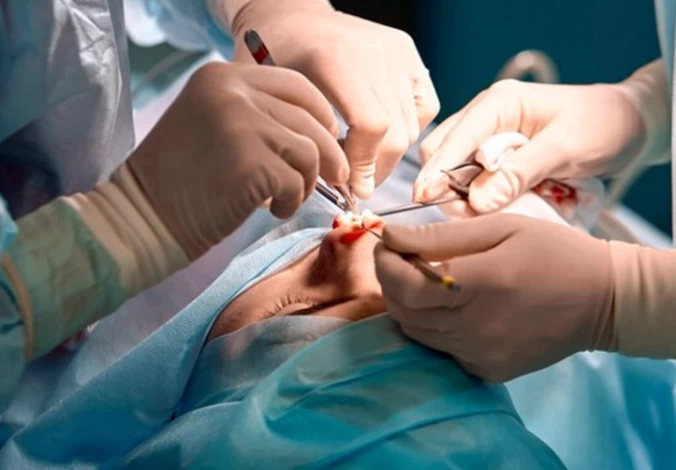
Surgery may be recommended if larger polyps continue blocking airflow despite medication use.
Professional nasal polyps treatment often combines several treatment methods for better long-term symptom control.
Can Nasal Polyps Return After Treatment?
Nasal polyps may recur, especially if underlying inflammation remains uncontrolled.
Individuals with allergies, asthma, or chronic sinus conditions may have a higher risk of recurrence.
Long-term nasal polyps treatment often includes:
- Monitoring symptoms
- Managing allergies
- Reducing sinus irritation
- Preventing inflammation
Regular follow-up care may help reduce recurrence risk and improve long-term sinus health.
Lifestyle Habits That May Help Reduce Symptoms
Certain daily habits may help support sinus health and improve comfort.
Helpful strategies include:
- Staying hydrated
- Using humidifiers
- Avoiding smoke exposure
- Managing indoor allergens
- Practicing saline sinus rinsing
- Reducing exposure to strong irritants
These habits may support professional nasal polyps treatment and improve overall breathing comfort.
Why Chronic Nasal Congestion Should Not Be Ignored
Many individuals tolerate chronic congestion for years without seeking medical attention.
However, persistent symptoms may gradually lead to:
- Sleep disruption
- Fatigue
- Frequent infections
- Reduced breathing comfort
- Ongoing sinus pressure
Seeking professional nasal polyps treatment early may help prevent symptoms from becoming more severe.
Long-Term Benefits of Nasal Polyps Treatment
Proper treatment can significantly improve overall quality of life.
Benefits may include:
- Easier breathing
- Better sleep quality
- Reduced congestion
- Improved smell and taste
- Fewer sinus infections
- Increased daily energy
Professional nasal polyps treatment focuses on improving both short-term relief and long-term sinus health.
When to Seek Professional Treatment
It may be time to seek professional care if symptoms include:
- Persistent nasal blockage
- Reduced sense of smell
- Frequent sinus infections
- Difficulty sleeping
- Ongoing facial pressure
- Mouth breathing
Early diagnosis and treatment often improve long-term outcomes and reduce complications.
Professional nasal polyps treatment can help restore breathing comfort and improve daily functioning.
Conclusion
Nasal polyps are a common but often overlooked cause of chronic congestion, breathing difficulties, sinus pressure, and sleep problems. Because symptoms frequently resemble allergies or sinus infections, many individuals do not realize that nasal polyps may be affecting their health and comfort.
Professional nasal polyps treatment can reduce inflammation, improve airflow, restore sinus function, and significantly improve overall quality of life.
With proper diagnosis, personalized treatment, and long-term management strategies, individuals can experience better breathing, improved sleep, and healthier sinus function.
FAQs
What are nasal polyps?
Nasal polyps are soft, noncancerous growths that develop inside the nasal passages or sinuses.
What causes nasal polyps?
Common causes include chronic inflammation, allergies, asthma, and recurring sinus infections.
What symptoms do nasal polyps cause?
Symptoms may include congestion, facial pressure, breathing difficulties, reduced smell, and sleep disturbances.
Can nasal polyps affect breathing?
Yes, larger polyps may block airflow and make breathing through the nose difficult.
Can nasal polyps affect sleep quality?
Yes, blocked nasal passages may contribute to snoring, restless sleep, and daytime fatigue.
How are nasal polyps treated?
Treatment may include nasal sprays, medications, saline rinses, allergy management, or surgery.
Can nasal polyps come back after treatment?
Yes, nasal polyps may recur if chronic inflammation remains uncontrolled.
How can nasal polyps treatment improve quality of life?
Professional nasal polyps treatment can improve breathing, sleep quality, sinus health, and overall daily comfort.

 English
 Arabic
 French
 Spanish
 Portuguese
 Deutsch
 Turkish
 Dutch
Dutch
 Italiano
 Russian
 Romaian
 Greek
Greek