


Intracorporeal Suturing Tools for Veterinary Laparoscopic Surgery
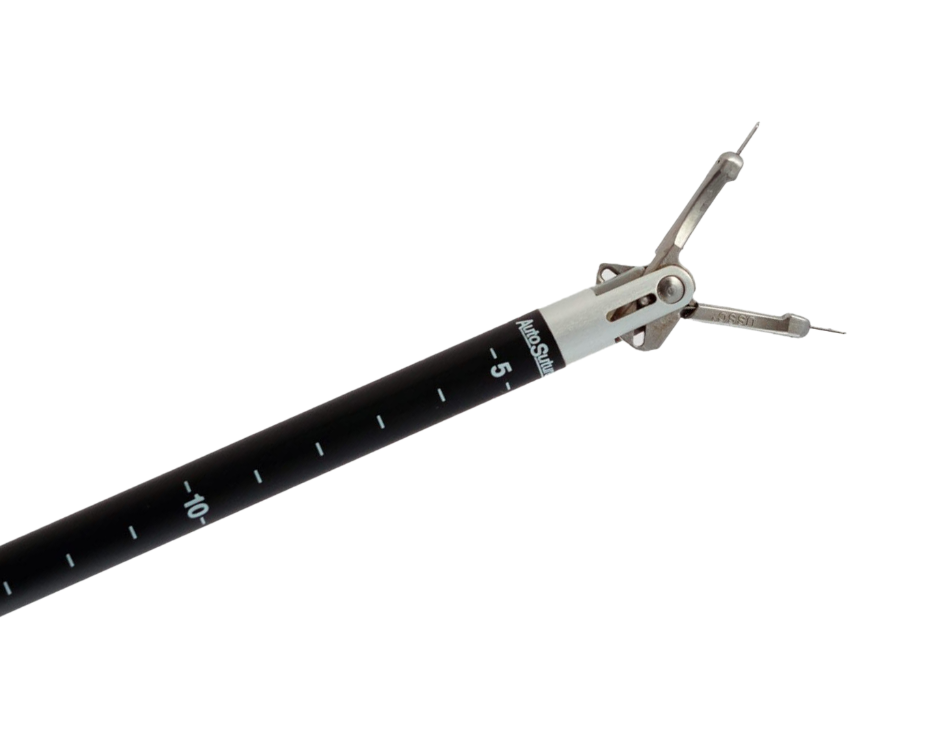
Minimally invasive surgery has become an important part of veterinary medicine. Many procedures performed on animals now rely on laparoscopic techniques that allow surgeons to operate through small incisions while maintaining clear visualization inside the body. In these procedures, specialized instruments such as endoscopic suturing devices play an essential role in closing tissue and securing surgical repairs.
Importance of Suturing in Veterinary Laparoscopic Procedures
Suturing is a fundamental part of many surgical procedures. During veterinary surgery, sutures are used to close tissue layers, secure repairs, and ensure proper healing following the procedure.
In traditional open surgery, surgeons can easily handle needles and sutures using standard surgical tools. However, laparoscopic procedures present a different challenge because the surgeon must operate through narrow ports using long instruments.
Intracorporeal Knot Tying in Veterinary Surgery
Intracorporeal knot tying refers to the process of tying surgical knots inside the body during minimally invasive procedures. This technique is commonly required when surgeons must close tissue or secure surgical repairs. The use of endoscopic suturing devices helps reduce the complexity of knot tying during laparoscopic procedures.
Integrated Needle and Suture System
One of the most important design features of laparoscopic suturing instruments is the integrated needle and suture system. Instead of handling separate needles and threads, the device incorporates these components directly into the instrument.
This design provides several advantages during veterinary surgery:
-
Simplified needle handling
-
Reduced risk of losing needles during the procedure
-
Improved control during suturing
-
Efficient intracorporeal knot tying
By keeping the needle and suture integrated within the device, the surgeon can focus on precise tissue closure without struggling with loose surgical components.
Importance of Training and Experience
Using laparoscopic suturing instruments requires proper training and familiarity with minimally invasive surgical techniques.
Veterinary surgeons must understand how to operate the device correctly, position the instrument within the surgical area, and perform suturing tasks with precision.
With proper training, these instruments can significantly improve the efficiency of laparoscopic procedures and support successful surgical outcomes.
Conclusion
Minimally invasive veterinary surgery relies on specialized instruments that allow surgeons to perform complex tasks through small access points. Among these tools, laparoscopic suturing instruments play a crucial role in tissue closure and intracorporeal knot tying.
The design features of these instruments, including integrated needle and suture systems, long shafts for laparoscopic access, and adaptable jaw mechanisms, allow veterinarians to perform suturing tasks with improved control and efficiency.
By simplifying the process of placing stitches and tying knots within the body cavity, endoscopic suturing devices support the growing use of minimally invasive techniques in veterinary medicine.

 English
 Arabic
 French
 Spanish
 Portuguese
 Deutsch
 Dutch
Dutch
 Italiano
 Russian
 Romaian
 Portuguese (Brazil)
 Greek
Greek