


How Industrial Racking Supports FIFO and LIFO Inventory Systems
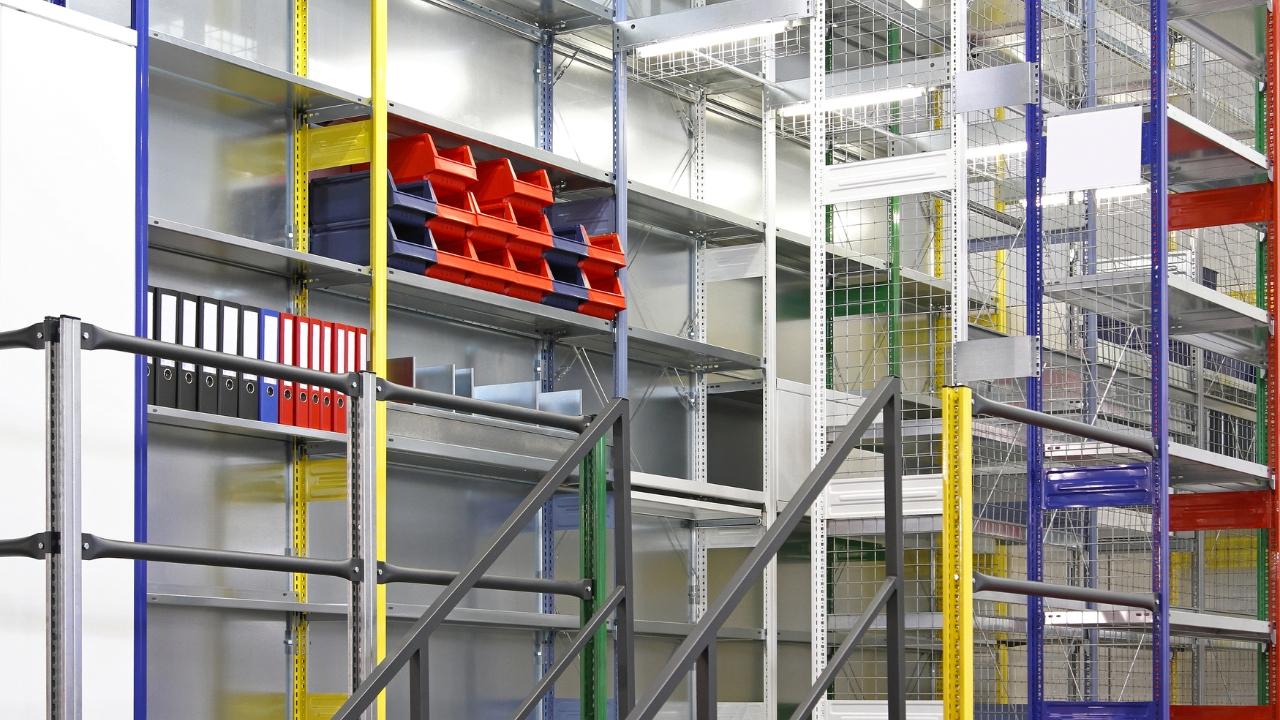
Industrial racking plays a crucial role in organizing warehouse operations and supporting efficient inventory flow systems like FIFO and LIFO. With expert solutions from Master Racks Limited, businesses can optimize storage, improve stock rotation, and enhance operational accuracy. This guide explains how racking systems support modern inventory management strategies.
Understanding FIFO and LIFO in Warehouse Management
In modern warehouse operations, inventory control methods are essential for efficiency and profitability. The two most common systems are FIFO (First In, First Out) and LIFO (Last In, First Out).
FIFO ensures that older stock is used or shipped first, while LIFO prioritizes newer stock for dispatch. Both methods require structured storage systems to function properly.
This is where industrial racking becomes essential, as it provides the physical structure needed to organize and control product movement effectively.
Master Racks Limited emphasizes that selecting the right racking system is the foundation of efficient inventory flow.
What Is FIFO and How It Works in Warehouses
FIFO is widely used in industries where product freshness or expiration dates matter, such as food, pharmaceuticals, and FMCG.
In FIFO systems, old stock is picked first, new stock is stored at the back, and inventory flows in a systematic direction.
To support this system, industrial racking must allow smooth forward movement of goods.
Systems like pallet flow racks and drive-through racks are commonly used to support FIFO operations.
With proper planning from Master Racks Limited, warehouses can ensure smooth FIFO implementation without confusion or delays.
What Is LIFO and Where It Is Used
LIFO works in the opposite way. The most recently stored items are picked first. This system is often used in industries where stock does not expire or where storage speed is more important than rotation.
In LIFO systems, new stock is placed in front, old stock remains at the back, and last stored items are retrieved first.
Certain industrial racking systems like drive-in racking are ideal for LIFO operations due to their deep storage design.
Master Racks Limited designs warehouse layouts that support both FIFO and LIFO depending on business requirements.
How Industrial Racking Supports FIFO Systems
FIFO requires controlled movement of goods, and not all racking systems can support this efficiently.
Pallet Flow Racking
One of the best solutions for FIFO is pallet flow racking. It uses gravity rollers that allow pallets to move from loading to picking side automatically.
This ensures smooth and continuous stock rotation.
Selective Racking with Organized Layout
Selective racking can also support FIFO when warehouse flow is properly designed. Products are arranged in a way that ensures older stock is always accessible.
Industrial racking systems designed for FIFO improve stock rotation accuracy, product freshness control, and reduced waste and expiry losses.
With planning from Master Racks Limited, FIFO systems become highly efficient and easy to manage.
How Industrial Racking Supports LIFO Systems
LIFO systems rely on deep storage methods where the newest stock is retrieved first.
Drive-In Racking System
Drive-in racking is one of the most effective industrial racking solutions for LIFO operations. Forklifts enter the structure to load and unload goods from the same side.
Push Back Racking System
Push back racking uses nested carts on inclined rails. New pallets push older ones backward, making retrieval easier from the front.
These systems are ideal for bulk storage and high-density warehouses.
Master Racks Limited provides customized LIFO storage solutions for industries that prioritize space optimization over stock rotation.
Importance of Industrial Racking in Inventory Flow Control
Without proper storage systems, FIFO and LIFO methods cannot function effectively. Industrial racking ensures that inventory movement follows a structured and predictable pattern.
Key benefits include better inventory visibility, reduced picking errors, improved warehouse organization, and faster order processing.
When implemented correctly, racking systems become the backbone of inventory control.
Master Racks Limited focuses on designing systems that align perfectly with warehouse workflow strategies.
Choosing the Right Racking System for FIFO or LIFO
Selecting the correct system depends on business needs, product type, and warehouse design.
For FIFO, pallet flow racks, selective racking, and carton flow systems are commonly used.
For LIFO, drive-in racking, push back racking, and block stacking systems are preferred.
Industrial racking must be chosen carefully to ensure smooth inventory flow and operational efficiency.
Expert consultation from Master Racks Limited helps businesses avoid costly mistakes in system selection.
Space Efficiency and Inventory Optimization
One of the biggest advantages of modern industrial racking is space optimization. Warehouses can store more goods without expanding physical infrastructure.
FIFO systems require aisle-based access, while LIFO systems focus on deep storage.
Both systems benefit from properly engineered layouts that balance space utilization, accessibility, and safety standards.
Master Racks Limited ensures warehouse designs are optimized for maximum storage efficiency.
Safety and Structural Considerations
Safety is critical when managing high-density inventory systems.
Key safety factors include load distribution, rack stability, forklift movement control, and regular inspection schedules.
Poorly designed industrial racking systems can lead to accidents, inventory damage, and operational delays.
Master Racks Limited ensures all installations follow strict safety engineering standards to maintain long-term reliability.
Role of Industrial Racking in Modern Warehousing Systems
Modern warehouses rely heavily on structured inventory systems supported by advanced storage solutions.
Industrial racking plays a central role in warehouse automation integration, digital inventory tracking, efficient space utilization, and streamlined logistics operations.
Whether using FIFO or LIFO, racking systems are essential for maintaining order and efficiency.
Master Racks Limited continues to provide innovative warehouse solutions aligned with modern supply chain needs.
Future of Inventory Systems and Racking Technology
The future of warehouse management is moving toward automation, AI integration, and smart tracking systems.
Future industrial racking systems will include smart sensors for inventory tracking, automated retrieval systems, AI-driven stock rotation management, and real-time warehouse analytics.
Master Racks Limited is continuously evolving to meet these future warehouse demands.
Conclusion
Industrial racking is essential for supporting both FIFO and LIFO inventory systems by ensuring structured, efficient, and safe storage. With expert solutions from Master Racks Limited, businesses can improve inventory control, optimize warehouse space, and achieve smoother supply chain operations for long-term success.

 English
 Arabic
 French
 Portuguese
 Deutsch
 Turkish
 Dutch
Dutch
 Italiano
 Russian
 Romaian
 Portuguese (Brazil)
 Greek
Greek