


Why Retrofitting Is Essential for Aging Buildings in India
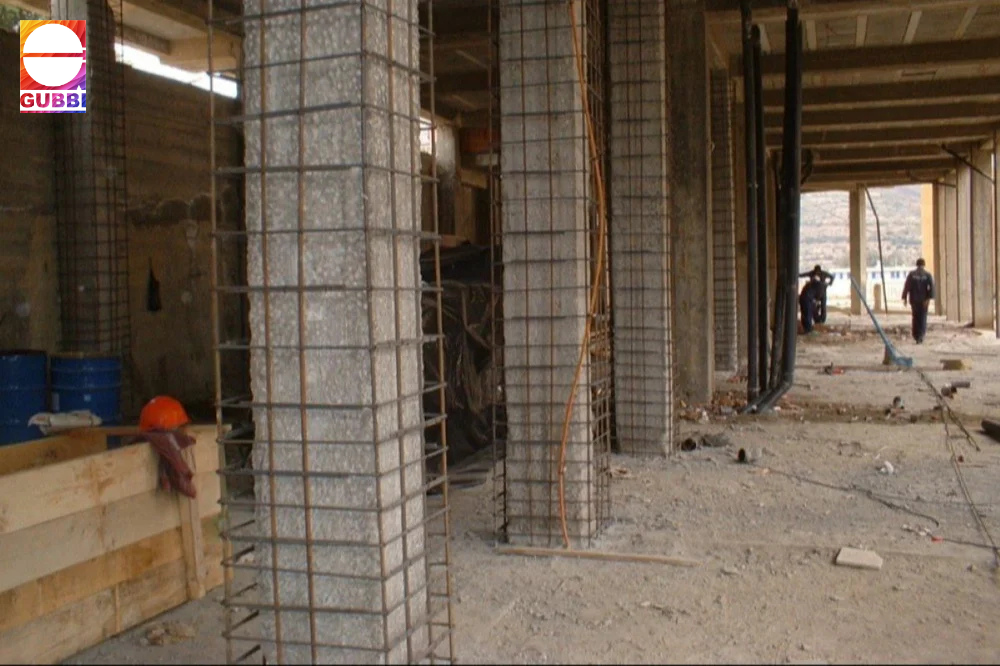
India’s infrastructure is expanding rapidly, but many buildings, bridges, factories, and residential structures were built decades ago without considering modern structural safety standards. Aging structures, poor construction quality, environmental exposure, seismic activity, and increased load requirements often weaken buildings over time. This is where retrofitting becomes essential. Structural retrofitting improves the strength, durability, and performance of existing structures without complete demolition, making it a cost-effective and practical engineering solution for property owners and industries.
What Is Structural Retrofitting?
Structural retrofitting is the process of strengthening an existing structure to improve its load-carrying capacity, seismic resistance, durability, and overall safety. The process involves repairing damaged structural elements, increasing structural stability, and upgrading buildings to meet current engineering standards. Structural retrofitting services in India are widely used for residential buildings, commercial complexes, industrial plants, bridges, parking structures, educational institutions, and heritage properties facing structural deterioration or functional limitations.
Why Buildings Require Retrofitting
Many buildings in India experience structural distress due to environmental exposure, corrosion of reinforcement, foundation settlement, poor maintenance, or design deficiencies. In coastal regions, high humidity and chloride exposure accelerate concrete damage and steel corrosion. Industrial structures often suffer from vibration, chemical attacks, and excessive operational loads. In urban cities, old buildings require additional floors or modifications, increasing the demand for building strengthening solutions and structural repair services.
Retrofitting becomes necessary when visible signs such as cracks, concrete spalling, leakage, column damage, slab deflection, or corrosion appear in the structure. Timely strengthening prevents severe structural failures and extends the life of the building significantly.
Importance of Structural Safety in Modern Infrastructure
Structural safety has become a major concern for property owners, builders, industries, and housing societies across India. Earthquake-prone zones, increasing urban density, and changing usage patterns make structural assessment and strengthening extremely important. Seismic retrofitting helps structures withstand earthquake forces by improving ductility, stiffness, and load distribution. Proper retrofitting not only protects lives and investments but also reduces long-term maintenance costs and future repair expenses.
Types of Structural Retrofitting Techniques
Different structures require different strengthening approaches depending on their condition and load requirements. Modern retrofitting technologies provide effective solutions with minimal disruption to daily operations. Common retrofitting techniques include concrete jacketing, steel jacketing, FRP wrapping, carbon fiber strengthening, epoxy injection grouting, micro concrete repairs, and foundation strengthening.
Carbon fiber wrapping is widely used because of its lightweight properties, high tensile strength, and quick installation process. It enhances structural performance without significantly increasing the dead load on the structure. Similarly, steel plate bonding and RCC jacketing are suitable for heavily distressed structural members requiring major strengthening.
Concrete Jacketing for Structural Strengthening
Concrete jacketing is one of the most widely used methods in structural rehabilitation services. This process increases the size and strength of structural members such as columns, beams, and foundations by adding reinforced concrete layers around existing components. Concrete jacketing improves load-bearing capacity, stiffness, and resistance against structural failure.
This technique is highly effective for buildings experiencing excessive loads, poor design, or aging deterioration. It is commonly used in residential societies, commercial buildings, and industrial structures requiring additional strength and stability for future operational demands.
FRP and Carbon Fiber Retrofitting Solutions
Fiber Reinforced Polymer systems are advanced strengthening solutions widely adopted in modern construction repair projects. FRP retrofitting and carbon fiber wrapping provide excellent tensile strength while maintaining lightweight characteristics. These systems are highly suitable for beams, slabs, columns, chimneys, silos, and bridges where conventional strengthening methods may increase structural weight.
Carbon fiber retrofitting is preferred because it causes minimal disruption to existing operations and requires less construction time. It also offers superior corrosion resistance, making it ideal for coastal and industrial environments exposed to harsh conditions.
Seismic Retrofitting for Earthquake Resistance
Several parts of India fall under moderate to high seismic zones, making earthquake-resistant strengthening a crucial requirement. Seismic retrofitting services improve a building’s ability to resist lateral earthquake forces and reduce structural vulnerability during seismic events. Techniques such as shear wall addition, bracing systems, jacketing, and FRP strengthening are commonly used for seismic upgrades.
Hospitals, schools, residential towers, and commercial complexes especially require seismic strengthening because public safety becomes critical during natural disasters. Proper retrofitting enhances structural resilience and reduces the risk of catastrophic collapse.
Structural Audit and Condition Assessment
Before starting any strengthening work, engineers perform a detailed structural audit and condition assessment. This process identifies the root causes of damage, evaluates structural performance, and determines suitable repair strategies. Non-destructive testing methods such as rebound hammer testing, ultrasonic pulse velocity testing, and corrosion analysis help engineers understand the condition of concrete and reinforcement without damaging the structure.
A professional structural assessment ensures that retrofitting solutions are technically accurate, cost-effective, and aligned with the future usage requirements of the building.
Benefits of Retrofitting Existing Structures
Retrofitting offers several advantages compared to demolition and reconstruction. It saves time, reduces construction waste, minimizes operational interruptions, and significantly lowers project costs. Building repair and strengthening also increases property value and enhances structural safety for long-term use.
Another major advantage is sustainability. Retrofitting preserves existing structures and reduces the environmental impact associated with new construction materials and demolition debris. For industries and commercial facilities, retrofitting allows continuous operations with limited downtime, making it a practical infrastructure solution.
Common Problems Solved by Retrofitting
Structural retrofitting addresses various engineering and maintenance challenges faced by buildings and industrial facilities. Common issues include structural cracks, beam deflection, slab weakness, foundation settlement, water damage, reinforcement corrosion, concrete deterioration, and vibration problems.
Retrofitting also helps buildings adapt to new requirements such as machinery installation, floor expansion, additional load capacity, and compliance with updated safety regulations. With proper strengthening methods, old structures can achieve improved performance and extended service life.
Industrial Structural Retrofitting Solutions
Industrial plants and manufacturing facilities require specialized retrofitting because they operate under heavy loads, dynamic forces, chemical exposure, and continuous vibration. Structural damage in industrial buildings can disrupt production and create major safety risks. Industrial structural strengthening services help restore damaged structures while improving operational reliability.
Factories, warehouses, power plants, and processing units often require beam strengthening, foundation repair, corrosion protection, and seismic upgrades. Advanced strengthening materials and repair techniques ensure long-term durability even in demanding industrial environments.
Bridge and Infrastructure Rehabilitation
India’s infrastructure sector increasingly focuses on bridge rehabilitation and infrastructure strengthening projects. Aging bridges and flyovers face heavy traffic loads, environmental exposure, and material deterioration over time. Structural retrofitting improves load capacity, extends service life, and enhances public safety.
Bridge strengthening may involve external prestressing, FRP wrapping, steel plate bonding, deck strengthening, and foundation repairs. Timely rehabilitation reduces the risk of structural failures and helps authorities avoid expensive reconstruction projects.
Waterproofing and Corrosion Protection in Retrofitting
Water leakage and reinforcement corrosion are among the biggest reasons for structural deterioration. Moisture penetration weakens concrete, corrodes steel reinforcement, and reduces structural durability. Combining retrofitting with waterproofing solutions and corrosion protection significantly improves long-term structural performance.
Protective coatings, anti-corrosion treatments, crack injection systems, and waterproof membranes help preserve structural integrity. This integrated approach ensures that repaired structures remain durable even under aggressive environmental conditions.
Choosing the Right Structural Retrofitting Company
Selecting an experienced retrofitting contractor is essential for successful structural rehabilitation. A professional company should have expertise in structural analysis, repair technologies, non-destructive testing, and modern strengthening systems. Technical capability, engineering knowledge, project execution quality, and safety standards play a major role in determining project success.
Property owners should choose specialists who understand Indian construction challenges and can provide customized strengthening solutions based on structural conditions and future performance requirements.
Modern Retrofitting Technologies in India
The construction industry in India is rapidly adopting advanced retrofitting technologies for faster and more reliable structural strengthening. High-performance repair mortars, epoxy systems, carbon fiber composites, corrosion inhibitors, and advanced testing methods improve the efficiency and durability of repair projects.
Digital structural monitoring and engineering analysis software also help engineers design accurate strengthening systems for complex structures. These modern technologies reduce project timelines while ensuring higher structural reliability and performance.
Future of Structural Retrofitting Services in India
The demand for structural retrofitting services in India is expected to grow significantly due to aging infrastructure, urban redevelopment, stricter safety regulations, and increasing awareness about structural health. Housing societies, industries, government institutions, and commercial developers are now prioritizing preventive maintenance and strengthening solutions to protect their assets.
With growing infrastructure investments and smart city developments, retrofitting will continue to play a crucial role in maintaining safe and sustainable structures across the country. Modern engineering solutions now allow old and damaged buildings to perform efficiently for many more decades.
Reliable Structural Strengthening Solutions
When it comes to professional structural rehabilitation and strengthening, experienced engineering expertise becomes extremely important. Companies offering advanced retrofitting solutions help property owners restore structural safety, improve durability, and enhance operational performance. Gubbi Civil Engineers Limited provides specialized engineering support for structural strengthening, rehabilitation, waterproofing, and repair projects tailored to different infrastructure requirements.
Retrofitting has become an essential part of modern infrastructure maintenance and structural safety management in India. From residential buildings and industrial facilities to bridges and commercial structures, strengthening solutions help extend structural life while improving safety and functionality. Advanced repair technologies, seismic upgrades, and corrosion protection systems ensure reliable long-term performance for aging structures. As infrastructure demands continue to increase, investing in professional retrofitting services becomes a practical and cost-effective decision. Proper structural strengthening not only protects buildings from future damage but also preserves valuable infrastructure assets for generations to come.

 English
 Arabic
 French
 Spanish
 Portuguese
 Deutsch
 Turkish
 Dutch
Dutch
 Italiano
 Russian
 Romaian
 Portuguese (Brazil)