


FSSC 22000 Lead Auditor Training for Food Manufacturing Companies: Building Food Safety Leaders From Within
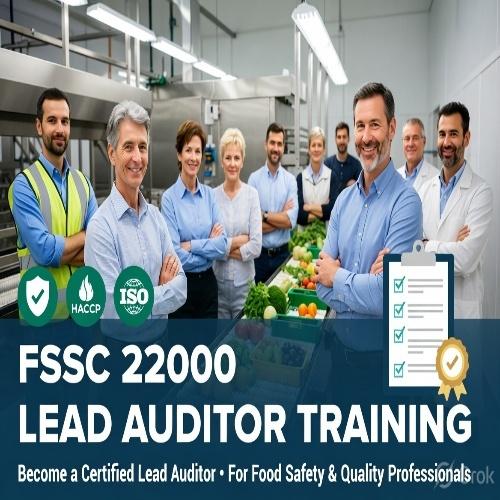
Food manufacturing moves fast. Production targets, supplier coordination, storage conditions, customer demands, hygiene checks—everything happens at once. Some days feel smooth and controlled. Other days? A single issue in production can throw schedules completely off balance.
That’s why food safety systems need more than paperwork sitting inside office cabinets. They need people who understand how to evaluate processes, identify risks, and guide improvement confidently.
This is where FSSC 22000 Lead Auditor Training becomes incredibly valuable for food manufacturing companies.
The training doesn’t simply teach auditing techniques. It develops professionals who can examine food safety systems critically, communicate findings clearly, and support stronger operational control across the organization.
And honestly, food manufacturers need that now more than ever.
Understanding FSSC 22000 Lead Auditor Training
At its core, FSSC 22000 Lead Auditor Training prepares professionals to conduct and manage audits based on the FSSC 22000 food safety management system standard.
That sounds technical—and it is—but the purpose behind it is surprisingly practical.
Lead auditors help organizations determine whether food safety systems are functioning effectively. They assess processes, review compliance requirements, identify weaknesses, and verify whether food safety controls truly work in real production environments.
Think of a lead auditor like a skilled navigator on a long journey. The goal isn’t simply to move forward quickly. The goal is to stay on the safest and most reliable route while avoiding problems before they become serious.
That perspective matters greatly inside food manufacturing facilities.
Why Food Manufacturing Companies Need FSSC 22000 Lead Auditor Training
Food safety expectations have grown dramatically across global markets. Retailers ask more questions. Regulators conduct stricter inspections. Consumers pay closer attention to quality and hygiene.
Because of that, food manufacturers need internal expertise capable of maintaining strong compliance systems consistently—not only during certification audits.
FSSC 22000 Lead Auditor Training helps organizations strengthen:
-
Food safety management systems
-
Internal audit performance
-
Regulatory preparedness
-
Supplier monitoring
-
Risk identification
-
Operational consistency
And honestly, the training improves something less obvious too: confidence.
Facilities with trained lead auditors usually feel more prepared during external audits because teams already understand how professional auditing works internally.
Preparation becomes routine rather than stressful last-minute scrambling.
Food Safety Isn’t Only About Production Lines
Many people associate food safety mainly with manufacturing equipment, hygiene stations, and sanitation procedures. Those elements matter deeply, of course.
But food safety systems extend much further.
Supplier controls, storage conditions, employee training, traceability systems, documentation accuracy, maintenance activities, packaging integrity—these all affect food safety outcomes too.
That’s why FSSC 22000 Lead Auditor Training teaches auditors to examine organizations holistically rather than focusing only on isolated processes.
A production line may appear spotless while documentation gaps quietly create traceability risks elsewhere in the facility. Strong lead auditors learn how to connect those dots.
And that skill becomes incredibly valuable inside complex food manufacturing operations.
The Difference Between Internal Auditors and Lead Auditors
Here’s something worth clarifying.
Internal auditors review processes within their organization, while lead auditors manage and direct entire audit activities more comprehensively. Lead auditors often coordinate audit teams, communicate findings professionally, evaluate system effectiveness broadly, and support certification readiness at higher organizational levels.
That added responsibility requires stronger analytical and leadership skills.
Under FSSC 22000 Lead Auditor Training, professionals learn:
-
Audit planning methods
-
Communication techniques
-
Evidence evaluation
-
Interviewing approaches
-
Nonconformity reporting
-
Corrective action assessment
It’s not merely about spotting problems. It’s about understanding systems deeply enough to evaluate how processes connect together.
That’s where lead auditing becomes both technical and strategic.
Why Strong Auditing Builds Stronger Food Safety Culture
You know what’s interesting? Facilities with effective auditing programs often develop healthier workplace cultures overall.
Why?
Because auditing encourages communication.
Employees begin discussing procedures more openly. Supervisors pay closer attention to process consistency. Management gains clearer visibility into operational risks.
A good lead auditor doesn’t walk through the facility looking for blame. They look for opportunities to strengthen systems before issues affect customers or certification performance.
That mindset shifts organizational behavior gradually.
Food safety culture grows stronger when employees understand that audits exist to improve operations—not simply satisfy external requirements.
And honestly, that distinction changes everything.
Documentation Still Matters — A Lot
People sometimes joke that food safety systems run on paperwork. That’s not entirely wrong.
Documentation remains one of the most important parts of FSSC 22000 Lead Auditor Training because records provide evidence that processes are controlled consistently.
Lead auditors evaluate documents related to:
-
Cleaning schedules
-
CCP monitoring records
-
Supplier approvals
-
Calibration activities
-
Training logs
-
Traceability exercises
-
Corrective actions
Without proper documentation, even well-managed operations struggle to demonstrate compliance effectively.
Imagine trying to investigate a product complaint without traceability records or production data. Confusion spreads quickly.
That’s why lead auditors learn how to assess documentation systems carefully and objectively.
Risk-Based Thinking Changes Audit Approaches
Modern food safety systems rely heavily on risk awareness. Auditing has evolved beyond simple checklist reviews.
Under FSSC 22000 Lead Auditor Training, auditors learn how to evaluate potential risks proactively rather than only reacting after problems occur.
This includes reviewing:
-
Cross-contamination risks
-
Allergen management controls
-
Supplier vulnerabilities
-
Environmental monitoring systems
-
Equipment maintenance risks
-
Employee hygiene practices
And honestly, this risk-focused approach makes auditing far more meaningful.
Instead of asking, “Was this form completed?” auditors begin asking, “Could this process compromise food safety if conditions change?”
That shift strengthens prevention efforts significantly.
Food Manufacturing Is Becoming More Transparent
Consumers today expect transparency from food manufacturers. They want safe products, clear labeling, responsible sourcing, and trustworthy production practices.
Retailers and certification bodies respond to those expectations with stricter supplier requirements and stronger audit programs.
As a result, food manufacturers increasingly depend on trained lead auditors capable of maintaining high compliance standards consistently.
FSSC 22000 Lead Auditor Training helps organizations stay prepared for this changing environment by improving internal oversight and audit capability.
There’s also a business advantage involved.
Manufacturers with strong audit systems often respond faster during customer evaluations because compliance processes are already monitored regularly rather than assembled hurriedly before inspections.
Preparation becomes part of daily operations instead of temporary performance.
Lead Auditors Help Organizations Improve Continuously
Good auditing doesn’t stop at identifying problems.
Lead auditors help organizations improve continuously by encouraging stronger process control, clearer communication, and more effective corrective actions over time.
Sometimes improvements seem small:
-
Better cleaning verification methods
-
Improved storage segregation
-
Stronger allergen controls
-
Clearer traceability procedures
-
Simplified documentation systems
But small improvements accumulate steadily.
Over time, these adjustments create more stable operations, stronger customer confidence, and fewer compliance concerns across the facility.
That continuous improvement mindset sits at the heart of FSSC 22000 Lead Auditor Training.
Why Should You Choose FSSC 22000 Lead Auditor Training?
Food manufacturing companies investing in FSSC 22000 Lead Auditor Training gain much more than certification knowledge alone.
The training helps organizations:
-
Improve food safety compliance
-
Strengthen audit readiness
-
Develop internal expertise
-
Enhance operational consistency
-
Improve supplier confidence
-
Support continuous improvement efforts
There’s also strong professional value for employees.
Lead auditors often become key contributors inside organizations because they understand both operational processes and compliance expectations clearly. Their ability to evaluate systems objectively makes them valuable across quality assurance, production, supplier management, and certification activities.
And honestly, companies benefit greatly when skilled auditors grow internally rather than relying entirely on external support.
Technology Is Changing Auditing Too
Food manufacturing facilities continue adopting digital tools rapidly. Electronic audit platforms, automated monitoring systems, digital traceability solutions, and smart reporting technologies are becoming more common every year.
Still, auditing itself remains deeply human.
An experienced lead auditor notices subtle operational concerns software might miss completely—a rushed sanitation process, inconsistent employee behavior, unusual storage conditions, or communication gaps between departments.
Technology helps collect data efficiently. But critical thinking still drives meaningful audits.
That balance matters greatly inside food manufacturing environments where operational realities shift constantly.
Why Choose Integrated Assessment Services?
Choosing the right training provider plays a major role in how effective FSSC 22000 Lead Auditor Training becomes for food manufacturing companies.
Integrated Assessment Services supports professionals and organizations with practical training designed around real food industry challenges. The focus extends beyond theory by helping participants understand how auditing principles apply directly within manufacturing environments.
Integrated Assessment Services provides support through:
-
FSSC 22000 lead auditor training
-
Food safety compliance guidance
-
Audit skill development
-
Documentation understanding
-
Risk-based auditing methods
-
Certification preparation support
Food manufacturers often appreciate training that connects technical requirements with practical operational realities rather than overwhelming teams with unnecessary complexity.
That practical clarity helps participants perform audits more confidently and effectively afterward.
FSSC 22000 Lead Auditor Training Builds Stronger Food Manufacturing Systems
Here’s the thing. Food manufacturing companies face growing expectations from regulators, retailers, certification bodies, and consumers alike. Maintaining strong food safety systems requires more than procedures written on paper.
It requires capable people.
FSSC 22000 Lead Auditor Training helps organizations develop professionals who can evaluate systems critically, support continuous improvement, strengthen compliance readiness, and maintain operational consistency across food manufacturing environments.
Yes, auditing takes effort. Reviewing records can feel repetitive. Audit schedules sometimes interrupt already busy operations.
But the long-term value becomes clear quickly.
Because strong auditing systems help organizations identify risks early, improve processes steadily, and maintain trust throughout increasingly demanding global food supply chains.
And honestly, trust remains one of the most valuable ingredients any food manufacturer can offer.

 English
 Arabic
 Spanish
 Portuguese
 Deutsch
 Turkish
 Dutch
Dutch
 Italiano
 Russian
 Romaian
 Portuguese (Brazil)
 Greek
Greek