


Can Neuropathy Be Reversed? Discover the Most Effective Neuropathy Treatment Methods
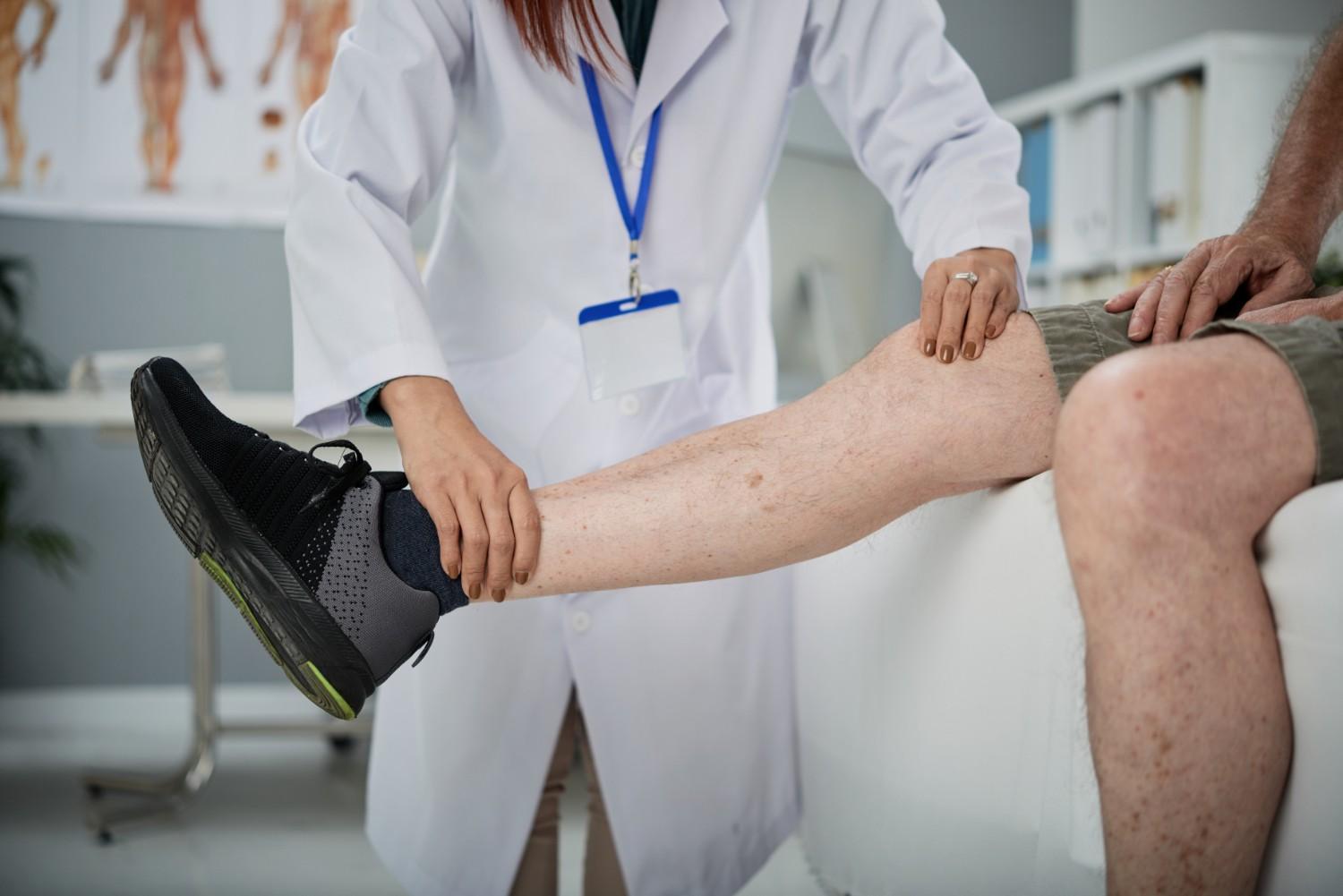
Neuropathy can significantly impact daily life, making simple activities like walking, sleeping, or even holding objects uncomfortable. Many people experiencing tingling, burning sensations, numbness, or nerve pain often wonder whether nerve damage can actually be reversed. While the answer depends on the cause and severity of the condition, early intervention and proper care may improve symptoms and slow progression in many cases.
Peripheral neuropathy develops when nerves become damaged due to diabetes, injuries, vitamin deficiencies, infections, autoimmune conditions, or lifestyle-related factors. The nervous system plays a critical role in communication throughout the body, and damaged nerves can disrupt movement, sensation, balance, and overall comfort.
The encouraging news is that many individuals experience relief through healthy lifestyle habits, improved nutrition, exercise, stress management, and targeted neuropathy treatment approaches. Understanding how nerve damage develops and what steps may support recovery is essential for long-term nerve health.
This guide explores whether neuropathy can improve, what factors influence recovery, and the most effective ways to manage symptoms naturally and medically.
What Is Neuropathy?
Neuropathy refers to damage affecting the peripheral nervous system. Peripheral nerves connect the brain and spinal cord to muscles, skin, and organs throughout the body.
When nerves become injured or irritated, communication problems occur. Depending on the affected nerves, symptoms may range from mild tingling to severe chronic pain.
Common symptoms include:
- Tingling sensations
- Burning feet
- Sharp nerve pain
- Muscle weakness
- Numbness in hands or feet
- Sensitivity to touch
- Poor coordination
Symptoms often begin gradually and worsen over time without proper management.
Can Neuropathy Actually Be Reversed?
The possibility of reversing neuropathy depends on several factors, including:
- The underlying cause
- Severity of nerve damage
- Duration of symptoms
- Overall health condition
- How early treatment begins
In some cases, nerves may partially heal when the underlying cause is addressed quickly. For example, neuropathy linked to nutritional deficiencies or poor blood sugar control may improve with proper intervention.
However, advanced nerve damage may require long-term symptom management rather than complete reversal.
Early neuropathy treatment gives nerves the best chance to recover or stabilize before permanent damage develops.
Understanding How Nerves Heal
Peripheral nerves have a limited ability to regenerate. Unlike some tissues in the body, nerve healing tends to occur slowly.
Nerve recovery may involve:
- Reduced inflammation
- Improved circulation
- Better blood sugar control
- Nutritional support
- Reduced pressure on nerves
- Healthier lifestyle habits
Consistency is important because nerve healing often takes months rather than days or weeks.
Common Causes of Neuropathy
Understanding the root cause is essential for choosing the right treatment approach.
Diabetic Neuropathy
High blood sugar levels can gradually damage nerve fibers, especially in the feet and legs.
Diabetic neuropathy symptoms often include:
- Burning pain
- Numbness
- Tingling
- Foot sensitivity
- Balance issues
Blood sugar management is one of the most important aspects of effective neuropathy treatment for diabetic nerve damage.
Vitamin Deficiencies
Deficiencies in B vitamins, especially vitamin B12, may interfere with nerve function and repair.
Low nutrient levels can contribute to:
- Fatigue
- Weakness
- Tingling sensations
- Nerve discomfort
Physical Injuries
Trauma, repetitive stress, or compressed nerves may trigger neuropathy symptoms.
Examples include:
- Back injuries
- Herniated discs
- Carpal tunnel syndrome
- Sports injuries
Autoimmune Disorders
Certain autoimmune conditions may cause the immune system to attack healthy nerve tissues.
Alcohol-Related Nerve Damage
Excessive alcohol use may damage nerves and interfere with nutrient absorption.
Chronic Inflammation
Inflammation throughout the body may worsen nerve irritation and pain sensitivity.
Signs That Neuropathy May Be Progressing
Recognizing worsening symptoms early may help prevent severe complications.
Warning signs include:
- Increasing numbness
- Frequent falls
- Muscle weakness
- Loss of coordination
- Difficulty walking
- Persistent burning pain
- Reduced sensation in feet
Prompt neuropathy treatment may help slow progression and improve daily function.
Most Effective Neuropathy Treatment Methods
Managing neuropathy often requires a combination of therapies rather than a single solution.
Lifestyle Changes That Support Nerve Health
Healthy habits can help reduce inflammation and improve circulation.
Important lifestyle strategies include:
Regular Exercise
Physical activity supports blood flow, muscle strength, and mobility.
Beneficial exercises may include:
- Walking
- Swimming
- Cycling
- Stretching
- Balance exercises
Exercise may also reduce stiffness and improve coordination.
Maintaining Healthy Blood Sugar Levels
Stable blood sugar helps protect nerves from further damage.
Quitting Smoking
Smoking restricts circulation and may worsen nerve health.
Reducing Alcohol Consumption
Limiting alcohol intake may help reduce nerve irritation.
Nutritional Support for Nerve Function
A nutrient-rich diet may help support nerve repair and overall health.
Important nutrients include:
- Vitamin B12
- Vitamin B6
- Folate
- Omega-3 fatty acids
- Magnesium
- Antioxidants
Foods commonly associated with nerve health include:
- Leafy greens
- Fish
- Nuts
- Whole grains
- Eggs
- Berries
Proper nutrition is often an important part of long-term neuropathy treatment.
Weight Management and Neuropathy
Excess body weight may increase inflammation and pressure on nerves.
Maintaining a healthy weight may improve:
- Circulation
- Mobility
- Blood sugar control
- Joint support
Even moderate weight loss may help reduce nerve-related discomfort in some individuals.
Physical Therapy for Neuropathy
Physical therapy may help strengthen muscles, improve balance, and reduce fall risk.
Therapists may recommend exercises designed to improve:
- Coordination
- Flexibility
- Posture
- Stability
- Walking patterns
Consistent therapy may improve confidence and mobility over time.
The Role of Sleep in Nerve Recovery
Sleep is essential for healing and nervous system repair.
Poor sleep may increase:
- Pain sensitivity
- Inflammation
- Stress hormones
- Fatigue
Helpful sleep strategies may include:
- Keeping a consistent sleep schedule
- Reducing screen time before bed
- Creating a cool sleeping environment
- Performing gentle stretches
Many individuals notice worsening symptoms at night, making sleep support an important component of neuropathy treatment.
Stress and Chronic Nerve Pain
Stress can intensify nerve discomfort by increasing inflammation and muscle tension.
Relaxation techniques may help improve symptom management.
Examples include:
- Meditation
- Deep breathing exercises
- Yoga
- Mindfulness
- Gentle movement therapy
Managing stress may support both physical and emotional well-being.
Can Natural Remedies Help Neuropathy?
Some individuals explore natural approaches to support symptom relief.
Common strategies include:
- Warm foot soaks
- Gentle massage
- Stretching exercises
- Anti-inflammatory diets
- Relaxation techniques
Natural methods may complement professional care but should not replace proper medical evaluation.
Preventing Neuropathy From Getting Worse
While not all cases can be prevented, healthy habits may reduce the risk of progression.
Preventive strategies include:
- Monitoring blood sugar levels
- Staying physically active
- Eating balanced meals
- Avoiding smoking
- Limiting alcohol
- Protecting feet from injury
- Addressing symptoms early
Early action remains one of the most effective ways to protect nerve health.
When to Seek Professional Help
Medical evaluation is important if symptoms become persistent or severe.
Seek attention if you experience:
- Sudden weakness
- Severe burning pain
- Loss of balance
- Difficulty walking
- Frequent falls
- Progressive numbness
Prompt diagnosis may help improve treatment outcomes.
Living With Neuropathy
Managing neuropathy requires patience and consistency. Some individuals experience gradual improvement, while others focus on symptom control and maintaining quality of life.
Building healthy daily routines can make a meaningful difference over time.
Key priorities include:
- Movement
- Nutrition
- Sleep
- Stress management
- Foot care
- Regular monitoring
Long-term commitment to healthy habits may help improve comfort and mobility.
FAQs
Can neuropathy go away completely?
Some cases improve significantly when the underlying cause is treated early, while others require long-term management.
How long does nerve healing take?
Nerve recovery may take several months or longer depending on the severity of damage.
Does exercise help neuropathy?
Regular exercise may improve circulation, balance, and muscle strength.
Can poor diet worsen neuropathy?
Yes, nutritional deficiencies and unhealthy eating habits may contribute to nerve dysfunction.
Is diabetic neuropathy reversible?
Better blood sugar control may help reduce symptoms and slow progression in some cases.
What are the first signs of neuropathy?
Tingling, numbness, burning pain, and sensitivity in the hands or feet are common early symptoms.
Conclusion
Neuropathy can affect nearly every aspect of daily life, from movement and sleep to overall comfort and emotional well-being. While complete reversal may not always be possible, many individuals experience symptom improvement through healthy lifestyle changes, proper nutrition, exercise, and consistent care.
Early recognition of symptoms and timely neuropathy treatment may help slow progression, reduce discomfort, and improve quality of life. Managing underlying causes such as diabetes, nutritional deficiencies, poor circulation, or chronic inflammation plays a major role in supporting healthier nerve function.
With the right combination of healthy habits and long-term management strategies, many people can continue living active and comfortable lives while minimizing the impact of neuropathy.

 English
 Arabic
 French
 Spanish
 Portuguese
 Deutsch
 Turkish
 Dutch
Dutch
 Italiano
 Russian
 Romaian
 Portuguese (Brazil)