


Why Nitrogen Flushing and Degassing Valves Matter in Coffee Packaging
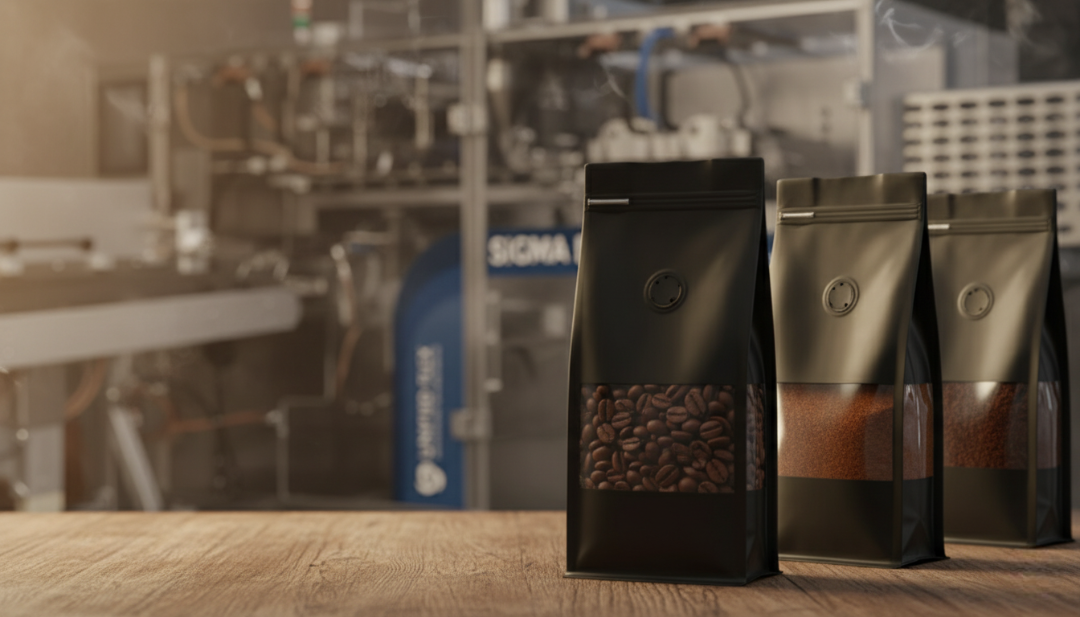
Picture opening a bag of freshly roasted coffee weeks after it left the roaster. The aroma hits strong and inviting, the beans or grounds look vibrant, and the first brew tastes bright and full—just like the day it was packed. That experience doesn't happen by chance. Without proper gas management, roasted coffee releases carbon dioxide for days or weeks, building pressure that can swell or burst bags, while oxygen sneaks in to accelerate staling, mute flavors, and turn oils rancid. Manual or basic packing leaves these issues unchecked, leading to inconsistent freshness, customer disappointment, and wasted product. Now envision an automated industrial packaging machine equipped with nitrogen flushing and degassing valves. Nitrogen pushes out oxygen right before sealing, creating a protective low-oxygen environment, while the one-way valve lets built-up CO₂ escape safely without allowing air back in. The result is bags that stay intact, coffee that holds its peak taste and aroma far longer, less spoilage, and a reliable product that builds repeat business. These features turn good roasting into exceptional shelf performance.
Nitrogen flushing and degassing valves work together to keep coffee tasting as fresh as the roast, pack after pack.
Why Does Fresh Roasted Coffee Need Special Gas Management?
Fresh roasted coffee needs special gas management because roasting drives off moisture and triggers ongoing release of carbon dioxide along with other volatile compounds that contribute to aroma. This degassing process continues for hours to weeks after roasting, with up to 40% of CO₂ escaping in the first day alone. Without control, trapped gases inflate bags, risk rupture during transport or storage, and create pressure that stresses seals. At the same time, any oxygen left inside speeds oxidation, breaking down oils into off-flavors and causing staleness. Moisture or light exposure worsens this. For small roasters selling direct or large operations shipping nationwide, unmanaged gases lead to returns, discounted stock, or disposal. Proper systems like nitrogen flushing remove oxygen upfront, while degassing valves handle natural outgassing, preserving the roast profile customers expect and reducing losses from premature quality drop.
How Does Nitrogen Flushing Remove Oxygen Effectively?
Nitrogen flushing removes oxygen effectively by displacing it with an inert, food-safe gas that protects coffee without altering taste:
- Inline Nozzle Injection — Delivers pure nitrogen directly into the bag just before sealing, pushing oxygen levels consistently below 1% to minimize oxidation from the start of packaging.
- Servo-Controlled Gas Valves — Meter precise volumes based on bag size and coffee type, ensuring complete displacement without wasting excess nitrogen during high-speed runs.
- Timing Synchronization — Aligns flush with the fill and seal cycle so every pouch receives identical treatment, even at peak production rates on automated lines.
- Recipe-Specific Settings — Store different flush amounts for light roasts versus dark or oily blends, matching protection to each coffee's sensitivity to oxygen exposure.
- Continuous Flow Monitoring — Adjust delivery automatically if pressure fluctuates, maintaining uniform low-oxygen conditions across long shifts or varied bag formats.
- Oxygen Analyzer Integration — Sample sealed packs inline and reject any above target residual oxygen, confirming consistent freshness protection before boxes leave the line.
- Heavy Gas Advantage — Leverage nitrogen's density to create a stable cushion that settles over coffee, further shielding it from residual air pockets during storage and transport.
This process creates an environment where staling slows dramatically, keeping beans or grounds closer to peak flavor for months.
How Do Degassing Valves Prevent Bag Pressure Buildup?
Degassing valves prevent bag pressure buildup by providing a controlled escape route for natural CO₂ while blocking external air:
- One-Way Valve Design — Feature a flexible membrane or flap that opens outward under internal pressure from CO₂ release but seals tightly against incoming oxygen or moisture.
- Pressure Relief Mechanism — Allow excess gas to vent gradually after roasting, preventing bags from ballooning excessively or risking rupture during handling and stacking.
- Precise Placement Options — Apply valves at optimal spots on pouches during forming or post-fill, ensuring efficient degassing without compromising seal integrity elsewhere.
- Compatibility with Fresh Packs — Enable immediate sealing after filling, capturing freshness while giving ongoing CO₂ a safe exit over the following days or weeks.
- Valve Material Durability — Use food-grade, robust components that withstand repeated cycles of pressure without failing, maintaining performance through distribution and shelf time.
- Visual and Aroma Benefits — Let subtle coffee scent escape through the valve for in-store aroma appeal, while still protecting the bulk of volatiles inside the pack.
- Burst Prevention — Reduce cleanup and product loss from exploded bags in warehouses or trucks by consistently managing gas buildup across all packaged volumes.
These valves keep packaging stable and professional-looking, avoiding customer concerns over swollen or damaged bags.
The combination of nitrogen flushing and degassing valves creates packaging that actively protects coffee quality from roaster to cup.
How Does Low Residual Oxygen Extend Shelf Life?
Low residual oxygen extends shelf life by drastically slowing the chemical reactions that degrade coffee quality over time:
- Oxidation Reduction — Limit exposure to oxygen that causes rancidity in bean oils and loss of bright acids, keeping flavors stable for months instead of weeks.
- Staling Prevention — Minimize volatile compound breakdown that mutes aroma and turns taste flat, preserving the nuanced notes roasters work to highlight.
- Consistent Aroma Retention — Maintain trapped volatiles longer by blocking oxygen ingress, so the first brew after opening delivers the intended sensory experience.
- Rancidity Delay — Slow lipid oxidation in darker roasts or oily beans, preventing off-notes that develop when oxygen levels stay high.
- Shelf Life Doubling Potential — Achieve extended freshness periods—often double or more—when oxygen drops below 1-2%, as supported by industry tests on packaged coffee.
- Uniform Protection — Ensure every bag in a production run gets the same low-oxygen start, reducing batch variation and supporting reliable sell-through dates.
- Customer Satisfaction Boost — Deliver coffee that tastes closer to fresh-roasted even after transport and storage, encouraging repeat purchases.
This oxygen control turns perishable roasted product into a stable, high-quality item ready for extended distribution.
How Do These Features Work Together in Packaging Machines?
These features work together in packaging machines by integrating seamlessly into the fill-seal cycle for maximum protection. Nitrogen flushing nozzles activate just before jaws close, displacing oxygen while the bag forms around product. Degassing valves apply inline or pre-applied to the film, positioned to vent CO₂ as it releases post-roast without compromising the fresh nitrogen environment. Servo controls sync timing so flush volume and valve function align perfectly at any speed. Inline oxygen analyzers verify residual levels, rejecting outliers. Recipe memory stores settings for different roasts or bag types, ensuring consistent results. The coffee packaging machine handles both steps automatically, reducing manual intervention, minimizing errors, and creating packs that resist staling while staying structurally sound. For roasters using VFFS or stand-up pouch systems, this integration means higher throughput, lower waste from spoilage or bursts, and coffee that arrives at customers tasting as intended.
How Does Nitrogen Flushing Improve Flavor Preservation?
Nitrogen flushing improves flavor preservation by creating an inert barrier that shields sensitive compounds from degradation:
- Volatile Lock-In — Trap aroma volatiles inside the pack by limiting oxygen that would otherwise strip them away over time.
- Acid Stability — Protect bright, fruity acids in light roasts from oxidation that dulls their vibrancy and shortens peak drinking window.
- Oil Integrity — Prevent rancid off-flavors in medium to dark roasts by slowing lipid breakdown in the absence of oxygen.
- Aroma Retention — Maintain complex notes like floral, chocolate, or nutty profiles longer, so brews stay true to the roast even after weeks on shelf.
- Uniform Freshness — Deliver consistent flavor across all packs in a batch, avoiding variation from uneven oxygen exposure.
- Extended Peak Window — Push the ideal consumption period further out, giving retailers more sell time and consumers better experiences.
- No Taste Alteration — Use inert nitrogen that adds nothing to flavor, unlike some preservatives, keeping the roast profile pure.
This method lets roasters showcase their craft without rapid quality fade.
How Do Degassing Valves Support Packaging Integrity?
Degassing valves support packaging integrity by managing internal pressures without compromising the seal or barrier:
- Controlled Venting — Release CO₂ slowly to avoid over-pressurization that could weaken seams or cause film distortion during storage.
- Seal Strength Maintenance — Prevent stress on heat seals from gas buildup, reducing the risk of leaks or failures under normal handling.
- Bag Shape Preservation — Keep pouches looking professional and stackable by limiting excessive puffing that makes them awkward on shelves.
- Transport Durability — Withstand stacking, vibration, and altitude changes in shipping without bursting or leaking.
- Long-Term Stability — Allow degassing to continue safely over weeks, maintaining pack condition from warehouse to consumer.
- Valve Reliability — Use durable, one-way designs that function consistently without clogging or failing under typical coffee gas volumes.
- Appearance Consistency — Ensure uniform pack aesthetics across production, avoiding customer rejection of swollen or irregular bags.
Strong integrity means fewer damaged returns and better brand presentation.
How Do Inline Checks Ensure Consistent Gas Performance?
Inline checks ensure consistent gas performance by monitoring and verifying every pack in real time. Oxygen analyzers sample sealed bags to confirm residual levels stay below targets, rejecting any with higher oxygen that could compromise freshness. Pressure sensors detect proper valve function by checking for expected CO₂ release patterns. Vision systems inspect valve placement and seal quality around it. Data feeds back to the machine controls, adjusting flush volume or timing if deviations appear. For industrial packaging machine lines running multiple roasts or bag sizes, these checks catch issues early, prevent batches with poor gas management from advancing, reduce spoilage waste, and maintain tight quality control. This automated verification removes guesswork, ensuring nitrogen flushing and degassing valves deliver their full protective benefits shift after shift.
How Does Easy Integration Save Time in Production?
Easy integration saves time in production by fitting smoothly into existing workflows without major disruptions:
- Inline Valve Applicators — Apply degassing valves during film unwind or pouch forming, adding no extra steps to the main cycle.
- Built-In Flush Nozzles — Mount directly on the fill tube for seamless nitrogen delivery right before sealing.
- Quick-Change Settings — Adjust flush volumes or valve specs via touch-screen recipes when switching roasts or formats.
- Modular Add-Ons — Install gas systems or valve units on VFFS machines with minimal downtime for upgrades.
- Automated Monitoring — Let sensors handle verification without manual sampling pauses during runs.
- Fast Setup Calibration — Calibrate flush and valve functions quickly at shift start for consistent performance.
- Reduced Operator Training — Rely on automated controls that handle gas management reliably after initial setup.
This streamlined approach boosts output while adding powerful freshness tools.
How Do These Features Scale with Growing Coffee Businesses?
These features scale with growing coffee businesses by supporting higher volumes without losing effectiveness:
- Multi-Lane Compatibility — Apply nitrogen flush and valves across multiple lanes as production ramps up for retail or wholesale.
- Speed Upgrades — Maintain precise gas control at higher bags-per-minute rates with servo enhancements.
- Modular Gas Systems — Add on-site nitrogen generators or larger tanks as demand increases without retooling.
- Valve Application Flexibility — Handle varied pouch styles or sizes while keeping degassing reliable.
- Recipe Expansion — Store more profiles for different roasts, ensuring gas settings match as SKUs grow.
- Data Tracking Integration — Log oxygen levels and valve performance for quality assurance at scale.
- Cost-Efficient Growth — Extend shelf life further to support wider distribution without proportional waste increases.
Scalability lets roasters expand confidently while preserving the quality edge.
Comparison Table of Coffee Packaging Features
Here’s a comparison of four Unified Flex machines highlighting nitrogen flushing and degassing valve support:
| Feature | VFFS Vertobagger Hornet | VFFS Vertobagger Hornet XL | VFFS Vertobagger Falcon | Stand Up Pouch Bagger – Doy Sigma |
| Max Bags/Pouches Per Minute | 80 with integrated flush/valve options | 50 for larger valve-equipped bulk packs | 100 for high-speed flushed lines | 40 for premium stand-up with degassing |
| Nitrogen Flush Support | Inline nozzles + servo control | High-volume flush for bigger bags | Fast synchronized injection | Precise for stand-up formats |
| Degassing Valve Application | Inline applicator for consistent placement | Supports larger valve sizes | Quick integration on high-speed | Rotary applicator for uniform pouches |
| Oxygen Control Accuracy | Inline analyzer + feedback for low residuals | Extended flush for bulk freshness | Real-time adjustments at speed | Targeted flush for premium protection |
| Best Use for Freshness | Medium runs needing reliable gas management | Bulk beans with valve pressure control | High-volume grounds or blends | Stand-up retail packs with aroma lock |
FAQs About Nitrogen Flushing and Degassing Valves
How does nitrogen flushing actually work in coffee bags?
It replaces oxygen with inert nitrogen gas before sealing, dropping residual oxygen to protect against oxidation and staling.
Why pair degassing valves with nitrogen flush?
Valves let post-roast CO₂ escape safely while keeping the nitrogen-rich, low-oxygen environment intact inside the bag.
Do these features extend coffee shelf life significantly?
Yes, often doubling it by slowing flavor degradation and preventing premature staleness compared to non-flushed packs.
Can small roasters add these to their machines?
Many modern coffee packaging machines support easy integration of flush nozzles and valve applicators for smaller operations.
How do valves prevent bag explosions?
They vent excess CO₂ one-way, relieving pressure buildup without allowing oxygen or moisture back in.
Final Thoughts
Nitrogen flushing and degassing valves make a profound difference in coffee packaging by addressing the core challenges of post-roast gas release and oxygen exposure head-on. Nitrogen flushing creates a protective, low-oxygen atmosphere that slows oxidation, preserves volatile aromas, and keeps flavors vibrant longer, while one-way degassing valves safely manage natural CO₂ outgassing to prevent pressure issues, bag damage, and structural failures. Integrated into modern packaging machines, these features deliver consistent freshness across every pack, reduce spoilage waste, support extended shelf life for better distribution, and ensure coffee reaches customers tasting close to the roast date. Whether for whole beans that degas heavily or grounds needing tight oxygen control, the combination boosts product quality, minimizes losses, and strengthens brand loyalty through reliable performance. Roasters who prioritize these elements gain a clear edge in delivering exceptional coffee that stands out on shelves and in cups long after leaving the facility.

 English
 Arabic
 French
 Spanish
 Portuguese
 Turkish
 Dutch
Dutch
 Italiano
 Russian
 Romaian
 Portuguese (Brazil)
 Greek
Greek