


CE Certificering for Medical Devices: What It Really Takes (and Why It’s Worth It)
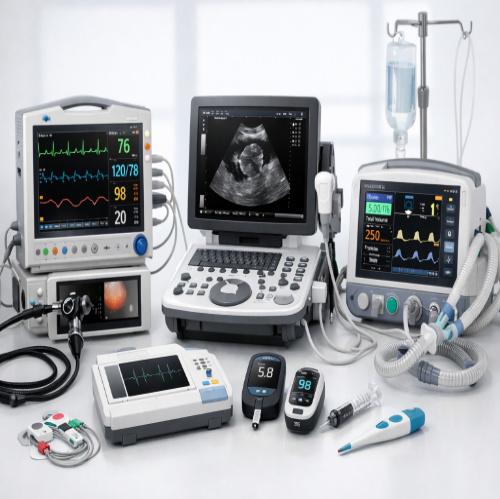
Let’s be honest. CE certification can feel like a mountain. Especially if you manufacture medical devices and you’re staring at regulatory text that reads more like a legal puzzle than a practical guide.
But here’s the thing: that little CE mark isn’t just a symbol. If you manufacture medical devices—whether you produce surgical instruments, diagnostic software, implants, or sterile consumables—CE certification is not optional. It’s the legal gateway to selling within the European Economic Area. And beyond compliance, it tells hospitals, procurement teams, and regulators: “We’ve done the work.”
So let’s break it down in a way that makes sense—without drowning in jargon.
What CE Certification Really Means (Not Just a Sticker)
At its core, CE certification is a declaration that your medical device complies with European safety and performance requirements. That’s it. But also… not quite that simple.
For medical devices, compliance falls under the Medical Device Regulation, often called MDR. This regulation replaced the older directives and raised the bar—considerably. Clinical data expectations are higher. Post-market obligations are stricter. Documentation must be deeper.
You’re not just saying your device works. You’re proving it, documenting it, and committing to ongoing monitoring once it’s on the market.
It’s a lifecycle commitment. Not a one-time event.
The Legal Backbone: MDR Isn’t Light Reading
The Medical Device Regulation defines essential requirements related to safety, performance, labeling, traceability, and risk management.
And yes, it’s detailed. Almost painfully detailed.
But there’s logic behind it. Patients’ lives may depend on your device. Whether it’s a pacemaker or a software algorithm that flags tumors, regulators want to see evidence. Real evidence.
You’ll need to demonstrate:
-
Compliance with general safety and performance requirements
-
Risk management according to recognized standards
-
Clinical evaluation and supporting data
-
Clear labeling and instructions for use
It’s structured, rigorous, and sometimes exhausting. But it creates trust across borders.
Technical Documentation: Your Evidence Story
Let me explain something critical: your technical file is your story.
It’s not just paperwork. It’s the structured narrative proving that your device is safe and performs as intended.
This documentation usually includes:
-
Device description and specifications
-
Risk management file
-
Clinical evaluation report
-
Verification and validation testing
-
Labeling and IFU samples
If your file feels thin, regulators will notice. And they will ask questions.
Good CE certification depends on clean, organized, traceable documentation. Messy files slow approvals. Clear ones build confidence.
Clinical Evaluation: Show Me the Data
Under MDR, clinical evaluation isn’t optional window dressing. It’s central.
You must demonstrate clinical evidence supporting safety and performance. That might include:
-
Clinical investigations
-
Literature reviews
-
Post-market clinical follow-up (PMCF)
And no, you can’t rely solely on older equivalence claims like before. MDR tightened those rules.
Honestly, this is where many manufacturers feel pressure. Gathering clinical data takes time. It costs money. But it strengthens your product—and your market credibility.
When procurement teams review your documentation, robust clinical evidence speaks loudly.
Quality Management: ISO 13485 Isn’t Just a Formality
If you’re serious about CE certification, your Quality Management System matters. Deeply.
Most manufacturers implement systems aligned with ISO 13485. This standard focuses on quality processes specific to medical devices—design control, supplier management, traceability, corrective actions.
It’s structured, yes. But it’s also practical.
A solid QMS reduces errors. It prevents recalls. It protects your brand.
And when auditors review your processes, they want consistency. They want traceability. They want to see that quality isn’t a slogan—it’s a habit.
The Role of the Notified Body: Independent Eyes
For Class IIa and above, you’ll work with a Notified Body—an independent organization designated to assess conformity.
It can feel intimidating. But it shouldn’t be adversarial.
Think of them as external validators. Their approval strengthens your CE certification and reassures the market.
Choosing an experienced assessment partner, such as Integrated Assessment Services, can make the process smoother. Clear communication and early gap analysis help avoid unpleasant surprises later.
The CE Mark: Small Symbol, Big Meaning
Once conformity is confirmed, you affix the CE mark to your device and issue a Declaration of Conformity.
That mark represents compliance with European requirements. It allows free circulation within the EEA.
But here’s the subtle truth: the mark itself is simple. The responsibility behind it isn’t.
Even after CE Certificering, you remain accountable. Surveillance audits continue. Documentation must stay updated. Risk management evolves with real-world feedback.
Post-Market Surveillance: The Work Doesn’t Stop
CE certification doesn’t end at market entry.
You must monitor device performance continuously:
-
Collect user feedback
-
Analyze complaints
-
Report serious incidents
-
Update risk assessments
Post-Market Surveillance (PMS) and vigilance reporting are mandatory. Regulators expect manufacturers to detect trends early—before small issues grow into serious events.
This ongoing vigilance protects patients and strengthens long-term brand trust.
And yes, it requires discipline.
Common Mistakes (We’ve All Seen Them)
Manufacturers often underestimate timelines. Or they assume older documentation still meets MDR expectations.
Typical challenges include:
-
Weak clinical evaluation reports
-
Incomplete risk analysis
-
Poor supplier control
-
Underdeveloped PMS plans
Sometimes the issue isn’t technical skill—it’s coordination. Regulatory, quality, engineering, and management must work together. Silos slow certification.
CE certification demands cross-functional alignment. (There’s that word—but in the practical sense.)
Benefits of CE Certification for Medical Devices
Let’s talk about the upside. Because there’s plenty.
Benefits of CE certification:
-
Access to the European market
-
Increased global credibility
-
Improved internal quality processes
-
Stronger patient trust
-
Competitive advantage in tenders
Hospitals often prefer certified devices. Distributors look for compliance stability. Investors examine regulatory positioning.
CE certification isn’t just regulatory—it’s strategic.
It signals maturity.
Why Should You Choose This Path Seriously?
Some manufacturers see compliance as a burden. Others treat it as a growth engine.
If you approach CE certification thoughtfully, it forces clarity. It strengthens documentation discipline. It sharpens risk thinking.
And working with experienced auditors like Integrated Assessment Services helps interpret requirements in practical terms. They don’t just review documents—they assess systems.
The right support reduces stress. It shortens approval cycles. It prevents costly rework.
More importantly, it protects your reputation.
A Final Word (Because This Isn’t Just About Paperwork)
Medical devices aren’t ordinary products. CE certification ensures those devices meet defined safety and performance standards before reaching patients.
Yes, the process can feel demanding. Yes, MDR increased complexity. But it also raised confidence across the European healthcare ecosystem.
And confidence matters.
When your device carries the CE mark, it represents structured effort—risk analysis, testing, clinical evidence, quality systems, surveillance planning. It represents commitment.
So if you’re manufacturing medical devices and planning market expansion, take CE certification seriously. Treat it not as an obstacle, but as a framework that strengthens your product and your brand.
Because in healthcare, trust isn’t marketing language.
It’s earned.

 Arabic
 French
 Spanish
 Portuguese
 Deutsch
 Turkish
 Dutch
Dutch
 Italiano
 Russian
 Romaian
 Portuguese (Brazil)
 Greek
Greek