


Why TPLO Systems Will Depend on ETO Sterilization More Than Ever by 2030
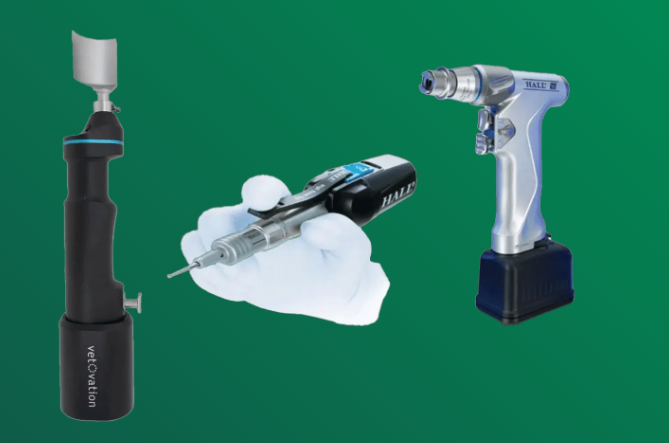
Every clinic wants their TPLO (Tibial Plateau Leveling Osteotomy) implants to be ready, sterile, and safe.
However, many practices still use high-temperature steam methods that degrade implant coatings, distort metals, and shorten tool life. If your team has ever seen fine scratches or corrosion after autoclaving, you’re not alone. That’s the silent issue many clinics ignore until damage shows up in the OR.
TPLO plating systems are now precision-built. They need low-impact sterilization. The ETO sterilization process (ethylene oxide) is no longer optional; it’s quickly becoming the standard. Why? Because more clinics are realizing that heat kills more than bacteria. It damages their investment, too.
Sterilization Impacts Your TPLO System Lifespan
TPLO implants and orthopedic tools are getting more refined. Stainless steel and titanium parts must maintain structural integrity. Traditional autoclaves expose them to high pressure and heat, which causes surface changes over time.
The ETO sterilization process is different. It’s gas-based, low-temperature, and reaches deep into complex surfaces without using steam or high heat. That’s why it works better for orthopedic plates, drills, and handpieces.
This shift is not based on marketing. It’s based on equipment life and consistent performance. Clinics switching to ETO sterilization for TPLO systems report fewer issues during surgery prep and post-op imaging. That’s not a small benefit. That’s daily reliability.
Comparing Sterilization Methods for TPLO Tools
|
Sterilization Type |
Temperature Used |
Tool Compatibility |
Impact on Implant Quality |
Turnaround Time |
|---|---|---|---|---|
|
Steam (Autoclave) |
High (121–134°C) |
Limited (heat-safe tools) |
May damage coatings/metals |
Fast |
|
ETO Sterilization |
Low (Room Temp ~60°C) |
Broad (delicate tools OK) |
Preserve structure & finish |
Slower |
|
Dry Heat or Flash |
Very High |
Not recommended |
High risk of metal fatigue |
Quickest |
ETO might take longer, but it saves your investment. Plates stay clean, threads stay true, and the surface finish remains intact after multiple sterilization cycles.
Orthopedic Care is Shifting: Sterilization Has to Follow
Modern plating systems come with intricate profiles, thinner plates, and matching screws. If sterilization alters that fit by even a tiny margin, you risk surgical complications. That’s why more practices are aligning sterilization protocols with their implant upgrades.
You already see innovation in plating systems, from angle-stable TPLO plates to anatomically contoured designs. The ETO sterilization process ensures those upgrades remain untouched between surgeries.
Also, consider the rise in refurbished orthopedic equipment. These tools often have more delicate components. Steam sterilization can shorten their usable life. That’s another reason low-temp ETO sterilization will dominate the next decade of veterinary surgery.
Final Thoughts
The industry is moving fast. If you’re investing in high-quality TPLO systems, it makes sense to protect them with sterilization methods that match. The ETO sterilization process is precise, safe, and reliable for both implants and tools.
Let’s get your tools cleaner, safer, and longer lasting without the heat stress.

 English
 Arabic
 French
 Spanish
 Portuguese
 Deutsch
 Turkish
 Dutch
Dutch
 Italiano
 Russian
 Romaian
 Greek
Greek