


Best Rooms in Your Home to Feature a Mission Sideboard in the USA
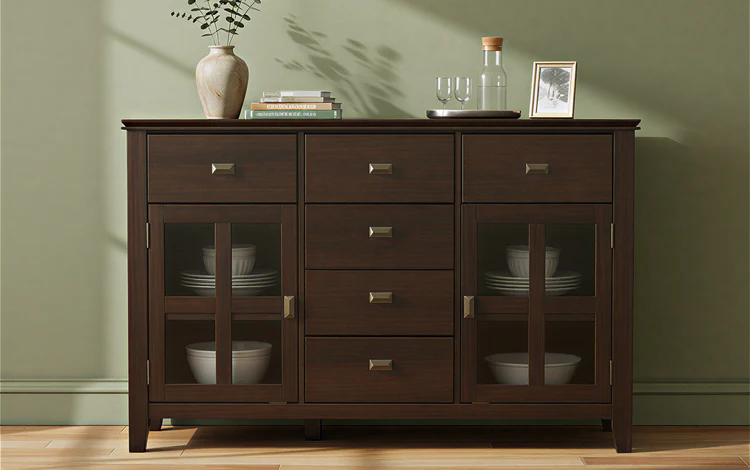
Home design in the United States has increasingly embraced furniture pieces that combine functionality, durability, and timeless craftsmanship. One such piece that continues to gain popularity in American homes is the mission style sideboard. Known for its clean lines, solid wood construction, and handcrafted look, this furniture piece blends beautifully with both traditional and modern interiors.
Mission-style furniture originated from the Arts and Crafts movement and is known for emphasizing quality craftsmanship and natural materials. A sideboard designed in this style is not only useful for storage but also acts as a centerpiece that enhances the visual appeal of a room. Whether placed in a dining room, hallway, or living space, a mission sideboard can bring warmth and character to any home.
Understanding the best places in your home to feature this versatile furniture piece can help you maximize both style and function. Across homes in cities like Chicago, Denver, Austin, and Seattle, homeowners are discovering creative ways to incorporate mission-style furniture into their living spaces.
Dining Room: The Traditional Home for a Mission Sideboard
The dining room is the most classic and popular location for a mission sideboard. In many American homes, the sideboard serves as a practical storage solution while also enhancing the aesthetic of the dining area.
A mission sideboard in the dining room provides space for storing table linens, dinnerware, serving trays, and special occasion dishes. Its wide surface is also perfect for setting up buffet-style meals during gatherings and holidays. In homes across the United States where family dinners and entertaining guests remain an important tradition, the sideboard becomes both a decorative and functional element.
The solid wood craftsmanship typical of mission furniture pairs perfectly with traditional dining tables, especially those made from oak, cherry, or maple. Its structured design and natural finish complement rustic farmhouse interiors, craftsman-style homes, and even transitional décor themes.
Living Room: A Stylish Storage Solution
Another excellent place to feature a mission sideboard is the living room. Many homeowners in the United States are choosing mission furniture because it adds character while maintaining simplicity.
Placed against a wall in the living room, a mission sideboard can serve as a media console, display cabinet, or general storage unit. Its compartments and drawers allow homeowners to organize books, electronics, board games, and decorative items while keeping the room tidy.
The top surface of the sideboard can also showcase decorative elements such as lamps, framed photographs, plants, or artwork. Because mission furniture often features natural wood grains and handcrafted details, it brings warmth and authenticity to living spaces.
In modern American homes where open floor plans are common, a sideboard in the living room can also help define the space while maintaining a cohesive design.
Entryway or Foyer: Making a Strong First Impression
The entryway is another ideal location for a mission sideboard. In homes throughout the United States, the foyer sets the tone for the entire house. A well-placed sideboard in this area can create a welcoming atmosphere while offering practical storage.
A mission sideboard placed in an entryway can hold items like keys, mail, scarves, gloves, and small household essentials. Drawers and cabinets keep everyday clutter hidden while maintaining a clean and organized look.
Decoratively, the surface of the sideboard can display a statement mirror, table lamp, or seasonal décor. The natural wood tones typical of mission furniture bring warmth to entryways, especially in homes with neutral walls or hardwood flooring.
Many homeowners in suburban and urban homes across the USA use this approach to combine organization with elegant design.
Kitchen: Expanding Storage and Serving Space
In many American homes, the kitchen is the heart of daily life. A mission sideboard placed in the kitchen can provide valuable storage and extra serving space.
For kitchens with limited cabinetry, a sideboard can store cookware, serving dishes, or pantry items. It also works well as a coffee or beverage station, particularly during family gatherings or weekend brunches.
The sturdy craftsmanship associated with mission-style furniture makes it ideal for kitchen use. Its durable wood construction can withstand everyday use while maintaining its classic appearance.
In homes across states like California, Texas, and Ohio, homeowners often place sideboards along kitchen walls or in breakfast areas to create both functional storage and a stylish design feature.
Hallways: Turning Unused Space into Functional Design
Hallways are often overlooked when decorating a home, yet they offer a great opportunity to feature statement furniture pieces. A mission sideboard can transform an otherwise empty hallway into a functional and visually appealing space.
In longer hallways commonly found in American homes, a sideboard can serve as both storage and décor. Its slim design allows it to fit comfortably without obstructing movement through the space.
Homeowners often use hallway sideboards to display family photos, decorative vases, or artwork. The natural wood textures characteristic of mission furniture add warmth and charm to transitional areas of the home.
By incorporating a sideboard into the hallway design, homeowners can make better use of space while maintaining a cohesive interior style.
Home Office: Practical Storage with Classic Style
As remote work continues to grow in the United States, many homeowners are creating dedicated home offices. A mission sideboard can be a valuable addition to these workspaces.
In a home office, the sideboard can store documents, office supplies, books, and equipment. Its drawers and cabinets help maintain an organized workspace, which is essential for productivity.
Beyond storage, the sideboard also adds character to the room. The timeless design of mission furniture creates a calm and professional environment that supports focus and creativity.
Many homeowners across the USA appreciate how mission-style furniture blends traditional craftsmanship with modern functionality, making it perfect for office settings.
Bedroom: A Unique and Elegant Accent Piece
Although less common, placing a mission sideboard in the bedroom can create a sophisticated and functional design element.
In larger bedrooms, the sideboard can serve as additional storage for clothing, bedding, or accessories. It can also act as a dresser alternative or a decorative console.
The warm tones and handcrafted appearance of mission furniture contribute to a relaxing and inviting bedroom environment. Many homeowners use the top surface to display personal items, lamps, or decorative pieces that enhance the room’s atmosphere.
Across many American homes, this creative placement adds personality while maintaining a cohesive design theme.
Conclusion
A mission sideboard is one of the most versatile furniture pieces you can incorporate into your home. Its timeless design, sturdy construction, and practical storage make it suitable for a wide range of rooms, from dining areas and living rooms to entryways, hallways, kitchens, and even bedrooms.
Across homes throughout the United States, mission-style furniture continues to be appreciated for its balance of craftsmanship and functionality. Whether used for storage, serving, or decorative display, a well-placed sideboard enhances both the usability and beauty of a space.
Choosing the right location for this furniture piece allows homeowners to highlight its natural wood design while improving organization throughout the home. With thoughtful placement and styling, a mission sideboard can become a central feature that brings warmth and character to everyday living spaces.
For homeowners who appreciate authentic craftsmanship and classic American furniture design, Crafters and Weavers offers pieces that reflect the enduring beauty of mission-style furniture.
FAQ
What makes mission-style sideboards different from other sideboards?
Mission-style sideboards are known for their simple, clean lines and solid wood construction. They often feature vertical slats, flat panels, and visible craftsmanship. Unlike more decorative furniture styles, mission furniture focuses on durability, natural materials, and functional design. This makes it a popular choice in American homes that appreciate timeless craftsmanship and practical storage.
Can a mission sideboard work in modern homes?
Yes, mission-style sideboards can blend well with modern interiors. Their simple and structured design complements minimalist spaces while the natural wood tones add warmth and texture. Many homeowners across the USA combine mission furniture with contemporary décor to create a balanced and inviting living environment.
What type of wood is commonly used in mission sideboards?
Most mission-style sideboards are crafted from durable hardwoods such as oak, cherry, or maple. Oak is particularly common because it highlights the natural grain patterns that define mission-style furniture. These woods are valued for their strength and long-lasting quality.
How should a mission sideboard be styled for decoration?
A mission sideboard can be styled with items like table lamps, framed photographs, decorative bowls, plants, or artwork. Keeping the décor simple helps highlight the natural beauty of the wood. Many homeowners also use mirrors or wall art above the sideboard to create a balanced and visually appealing display.
Is a mission sideboard only suitable for large homes?
No, mission sideboards come in various sizes, making them suitable for both small and large homes. In smaller homes or apartments, they can be used in dining areas, entryways, or living rooms to provide storage without overwhelming the space. Their functional design allows them to serve multiple purposes while maintaining a stylish appearance.

 English
 Arabic
 French
 Spanish
 Portuguese
 Deutsch
 Turkish
 Dutch
Dutch
 Italiano
 Russian
 Romaian
 Greek
Greek
