


Recovery and Aftercare Following a Colonoscopy in Dubai
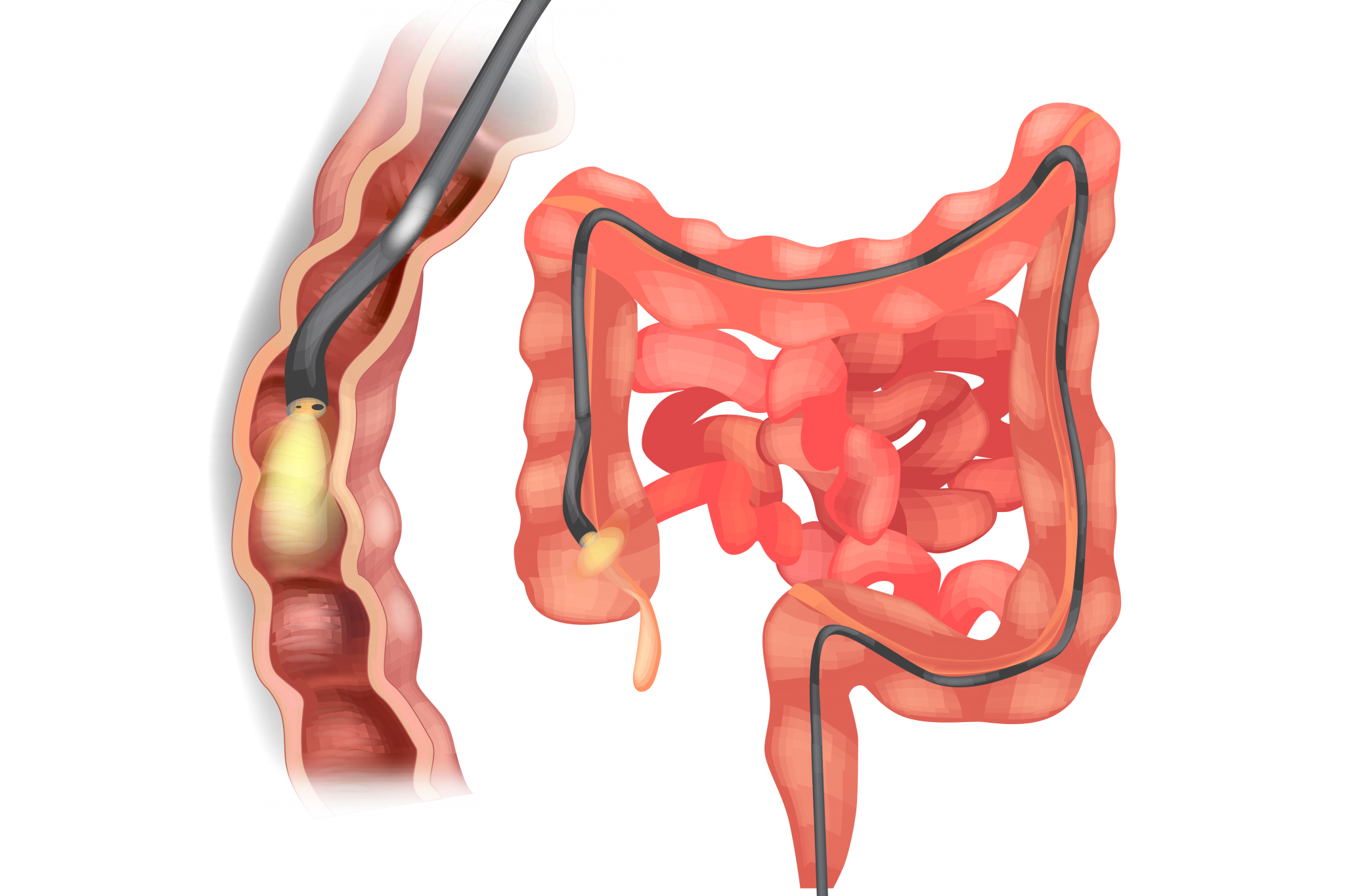
A colonoscopy is an important medical procedure that helps doctors examine the inner lining of your large intestine. This procedure is essential for detecting early signs of colon cancer, polyps, inflammation, or other gastrointestinal issues. While the procedure itself is generally safe, the recovery period and aftercare play a crucial role in ensuring your health and comfort afterward.
If you are planning to undergo a colonoscopy, understanding what happens after the procedure is equally important as preparing for it. In this article, we will guide you through what to expect immediately after a colonoscopy in dubai, how to manage any discomfort, and tips for a smooth recovery. By following these instructions, you can reduce complications and make the process as comfortable as possible.
Understanding the Recovery Period
After a colonoscopy, your body needs some time to recover from the sedation and the procedure itself. Most patients are given sedation or anesthesia during the examination, which allows them to remain relaxed and pain-free while the doctor examines the colon. As a result, the initial recovery phase involves allowing the sedative to wear off completely.
Typically, this takes about one to two hours, depending on the type and dosage of sedation used. You may feel drowsy, lightheaded, or groggy during this time. It is important not to drive, operate machinery, or make important decisions immediately after the procedure. Most clinics will ask you to arrange for someone to accompany you home.
Immediate Aftercare Following Colonoscopy
Right after the procedure, your healthcare team will monitor your vital signs and ensure you wake up safely from sedation. You may experience some common effects during this period, including:
-
Drowsiness or fatigue: Sedation can leave you feeling sleepy for several hours.
-
Mild bloating or gas: Air used during the procedure to inflate the colon can cause temporary discomfort.
-
Slight abdominal cramping: This is normal and usually subsides within a few hours.
-
Throat soreness: If a sedative or oxygen tube was used, your throat may feel dry or sore.
During your stay at the clinic, medical staff will provide instructions on how to care for yourself during the next 24 hours. It is important to follow these guidelines closely to prevent complications.
Diet and Hydration After a Colonoscopy
One of the key aspects of recovery after a colonoscopy is proper nutrition and hydration. Because your bowel was emptied before the procedure, you may feel hungry or dehydrated afterward. However, it is important to start with gentle foods and liquids before resuming your normal diet.
Recommended Foods
-
Clear broths, soups, and herbal teas
-
Soft fruits like bananas or applesauce
-
Crackers, toast, or plain rice
-
Yogurt or other easily digestible dairy products
Foods to Avoid
-
Spicy or fatty foods that can irritate the stomach
-
Carbonated beverages for the first day, as they can worsen bloating
-
Alcohol or caffeinated drinks until you feel fully recovered
Staying well-hydrated is also crucial. Drinking water, clear juices, or electrolyte drinks helps your body recover faster and prevents dehydration.
Managing Common Side Effects
Most patients experience only minor side effects after a colonoscopy. These are usually temporary and resolve within a day or two. Some common post-procedure effects include:
-
Bloating and gas: Passing gas helps release the air introduced during the procedure. Gentle walking can help relieve discomfort.
-
Mild cramping: Over-the-counter pain relievers, as recommended by your doctor, can help. Avoid strong painkillers unless prescribed.
-
Minor bleeding: If a polyp was removed, you may notice small amounts of blood in your stool. This usually stops within a day or two.
It is important to monitor these effects closely. If you experience severe abdominal pain, heavy bleeding, fever, or persistent vomiting, contact your healthcare provider immediately. These may indicate complications such as infection or perforation, though such cases are rare.
Physical Activity and Rest
After a colonoscopy, your body may feel weaker than usual due to sedation and bowel preparation. It is recommended to take it easy for the rest of the day.
-
Avoid strenuous activity or heavy lifting for at least 24 hours.
-
Gentle walking is encouraged, as it promotes digestion and reduces bloating.
-
Rest as needed, and listen to your body’s signals.
Resuming your regular exercise routine should only be done once you feel fully recovered. Pushing your body too soon can lead to fatigue or discomfort.
Medications and Follow-Up
If your doctor prescribed medications before the colonoscopy, ask whether you can resume them immediately afterward. For instance, blood thinners may need special instructions if polyps were removed.
Additionally, your doctor will provide guidance on follow-up care. Depending on your results, you may need:
-
A repeat colonoscopy in a few years
-
Additional tests if polyps or abnormalities were found
-
Lifestyle or dietary adjustments to support gut health
It is essential to attend all follow-up appointments to ensure your digestive health remains on track.
Tips for a Smooth Recovery
Following these tips can help ensure a smooth and safe recovery after your colonoscopy:
-
Plan your day ahead: Arrange for someone to drive you home and avoid scheduling important tasks immediately afterward.
-
Eat light meals: Start with easily digestible foods and gradually return to your regular diet.
-
Stay hydrated: Drink water or clear fluids regularly.
-
Move gently: Short walks help relieve bloating and support digestion.
-
Monitor symptoms: Track any unusual pain, bleeding, or changes in bowel habits and contact your doctor if needed.
-
Follow instructions: Adhere to all aftercare guidelines provided by your healthcare team.
Understanding When to Seek Medical Attention
While most colonoscopy recoveries are straightforward, certain warning signs should not be ignored. Contact your doctor immediately if you experience:
-
Severe abdominal pain or swelling
-
Heavy or persistent bleeding
-
High fever or chills
-
Persistent nausea or vomiting
-
Difficulty breathing or chest pain
Prompt attention to these symptoms can prevent serious complications and ensure timely treatment if needed.
Preparing Mentally for Recovery
Besides physical recovery, it is important to prepare mentally for the post-colonoscopy period. Knowing what to expect can reduce anxiety and make the experience less stressful. Keep in mind:
-
Mild discomfort is normal and temporary.
-
Sedation effects can last several hours, so plan to rest.
-
Any minor bleeding or cramping is usually not serious.
Having a clear plan for diet, rest, and monitoring symptoms can make the recovery period more manageable and less worrying.
Long-Term Considerations
A colonoscopy is not just a one-time checkup—it is a preventive tool for long-term gut health. After recovery, adopting healthy lifestyle practices can further support your digestive system. Consider the following:
-
Eat a fiber-rich diet with fruits, vegetables, and whole grains
-
Stay hydrated daily
-
Exercise regularly to maintain bowel function
-
Avoid smoking and limit alcohol intake
-
Schedule regular screenings as recommended by your doctor
These steps not only help maintain colon health but also reduce the risk of complications in the future.
Choosing the Right Clinic in Dubai
When planning a colonoscopy, selecting a reputable clinic or hospital in Dubai is crucial. Look for facilities with experienced gastroenterologists, modern equipment, and proper aftercare support. A well-equipped clinic ensures that the procedure is safe and recovery is closely monitored.
Conclusion
Recovery and aftercare following a colonoscopy are key to ensuring a safe and comfortable experience. Understanding what to expect, following dietary and lifestyle guidelines, and monitoring for any unusual symptoms can make the process smoother.
If you are considering a colonoscopy in Dubai, consulting with an experienced specialist like Dr. Neil Philip Galletly can provide you with personalized guidance and expert care. From preparation to post-procedure recovery, professional support ensures the best outcomes and peace of mind. Taking care during the recovery period allows you to return to your daily routine safely and maintain long-term gut health.
A colonoscopy may seem daunting at first, but with proper aftercare and attention to your body’s needs, it becomes a manageable and even empowering step toward better digestive health. Following these guidelines ensures a faster recovery, reduces the risk of complications, and helps you maintain overall well-being.

 English
 Arabic
 French
 Spanish
 Portuguese
 Turkish
 Dutch
Dutch
 Italiano
 Russian
 Romaian
 Portuguese (Brazil)
 Greek
Greek