


Top Metrics Every Civil Construction Company Should Track for Better Performance
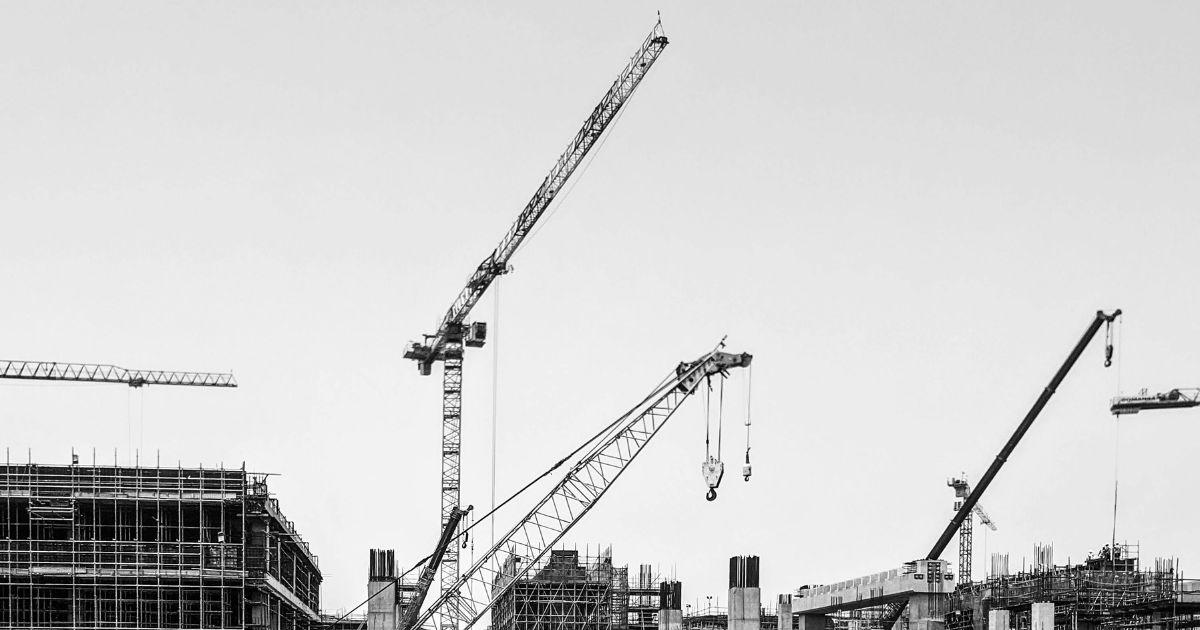
In the fast-paced world of civil construction, success isn’t just about completing projects—it’s about completing them efficiently, safely, and profitably. This is where performance tracking becomes essential. By focusing on the right metrics, companies can make smarter decisions, reduce risks, and improve overall project outcomes. At Ground Up Solutions, we understand that data-driven performance reporting is the backbone of successful construction management.
Let’s explore the top metrics every civil construction company should track to ensure better performance and long-term growth.
1. Project Schedule Performance (SPI)
Time is one of the most critical factors in civil construction. Delays can lead to increased costs, unhappy clients, and reputational damage.
The Schedule Performance Index (SPI) helps measure whether a project is on track. It compares the work completed to the work planned.
-
SPI > 1: Ahead of schedule
-
SPI = 1: On schedule
-
SPI < 1: Behind schedule
Tracking this metric allows project managers to identify delays early and take corrective actions before issues escalate.
2. Cost Performance Index (CPI)
Budget overruns are a common challenge in construction projects. The Cost Performance Index (CPI) helps monitor financial efficiency by comparing the budgeted cost to the actual cost.
-
CPI > 1: Under budget
-
CPI = 1: On budget
-
CPI < 1: Over budget
By regularly reviewing CPI, companies can control expenses, optimize resource allocation, and maintain profitability.
3. Productivity Rates
Productivity is a direct indicator of how efficiently resources—especially labor and equipment—are being used.
This metric measures output per unit of input, such as:
-
Work completed per labor hour
-
Equipment utilization rates
Improving productivity not only reduces costs but also helps meet deadlines more effectively. Monitoring productivity trends can highlight inefficiencies and areas for improvement.
4. Safety Performance Metrics
Safety should always be a top priority in civil construction. Tracking safety metrics ensures compliance and protects workers on-site.
Key safety metrics include:
-
Total Recordable Incident Rate (TRIR)
-
Lost Time Injury Frequency Rate (LTIFR)
-
Number of safety violations or near-misses
A strong safety record not only reduces risks but also boosts employee morale and company reputation.
5. Quality Control Metrics
Delivering high-quality work is essential for client satisfaction and long-term success. Quality metrics help ensure that construction standards are consistently met.
Important quality indicators include:
-
Number of defects or rework instances
-
Inspection pass rates
-
Client satisfaction scores
Reducing rework saves time and money while improving overall project performance.
6. Equipment Utilization Rate
Construction projects rely heavily on machinery and equipment. Poor utilization can lead to unnecessary costs and delays.
This metric tracks how effectively equipment is being used compared to its availability. High utilization indicates efficiency, while low utilization may suggest underuse or poor planning.
Regular monitoring helps companies optimize equipment deployment and reduce idle time.
7. Change Order Frequency and Impact
Change orders are common in civil construction, but excessive changes can disrupt timelines and budgets.
Tracking:
-
Number of change orders
-
Cost impact of changes
-
Time delays caused by changes
This helps identify patterns and improve project planning, communication, and scope management.
8. Cash Flow and Financial Health
Cash flow is the lifeline of any construction business. Even profitable projects can face issues if cash flow is poorly managed.
Key financial metrics include:
-
Cash inflow vs. outflow
-
Accounts receivable and payable
-
Profit margins per project
Maintaining healthy cash flow ensures smooth operations and financial stability.
9. Client Satisfaction and Retention
Happy clients are more likely to return and recommend your services. Measuring client satisfaction provides valuable insights into your company’s performance.
Methods include:
-
Post-project surveys
-
Feedback forms
-
Repeat business rate
Strong client relationships are a key driver of long-term success in civil construction.
10. Environmental and Sustainability Metrics
With increasing focus on sustainability, tracking environmental impact is becoming more important.
Relevant metrics include:
-
Waste generated and recycled
-
Energy consumption
-
Carbon footprint
Companies that prioritize sustainability not only meet regulatory requirements but also enhance their brand image.
Final Thoughts
Tracking the right metrics is essential for improving performance in civil construction projects. From cost and schedule management to safety and client satisfaction, each metric provides valuable insights that help companies make informed decisions.
At Ground Up Solutions, we believe that effective performance reporting transforms raw data into actionable strategies. By consistently monitoring these key metrics, civil construction companies can enhance efficiency, reduce risks, and achieve better project outcomes.
In today’s competitive landscape, success belongs to those who measure, analyze, and improve continuously. Start tracking these metrics today, and build a stronger foundation for your construction projects tomorrow.

 English
 Arabic
 French
 Portuguese
 Deutsch
 Turkish
 Dutch
Dutch
 Italiano
 Russian
 Romaian
 Portuguese (Brazil)
 Greek
Greek