


The Science Behind Realistic Ball Flight in Golf Simulators
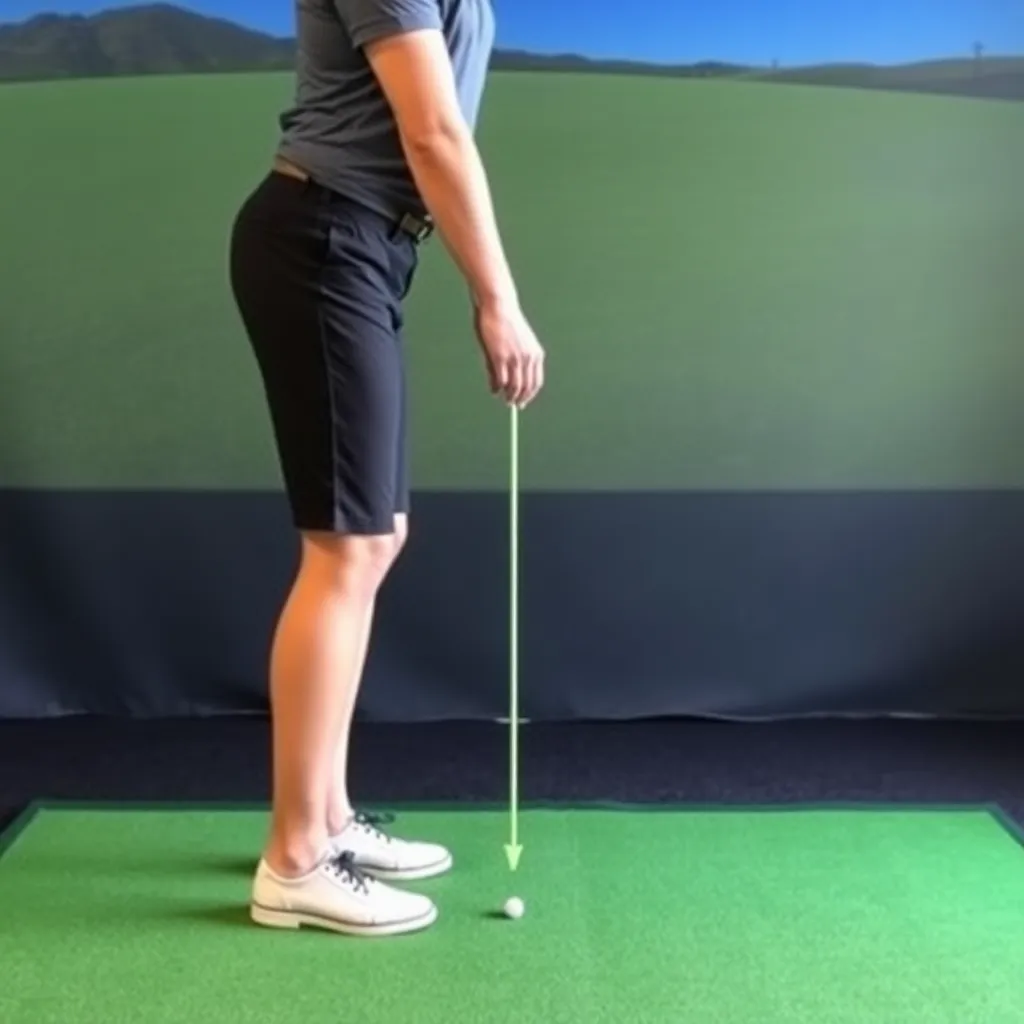
Advancements in technology have transformed indoor sports training, particularly within the realm of golf simulation. Modern systems recreate the experience of striking a shot and watching it travel across a virtual fairway with remarkable authenticity. Achieving believable ball flight indoors requires a sophisticated combination of physics modeling, motion tracking, environmental algorithms, and high-speed data processing. These elements work together to interpret the motion of a struck ball and translate it into a realistic digital trajectory.
Understanding the scientific principles behind this process reveals how indoor practice environments mirror outdoor performance. From the measurement of club impact to aerodynamic calculations, every stage relies on precise mathematical modeling and sensor technology. The result allows players to analyze swing mechanics, improve shot consistency, and experience virtual courses while remaining inside a controlled environment.
Motion Tracking and Impact Measurement
A realistic simulation begins with accurate detection of what occurs at the exact moment of impact. When a player strikes a ball, numerous variables influence the resulting flight. These include velocity, launch angle, spin rate, face orientation, and strike location. High-speed tracking systems capture these details within fractions of a second. In a Home Golf Simulator, this technology works seamlessly to analyze every shot, allowing players to understand how each swing affects ball movement and overall performance.
Optical sensors often utilize rapid-capture cameras positioned near the hitting area. These devices photograph the ball multiple times during the first few inches of movement. By comparing successive frames, software determines direction, rotation, and speed. Some setups incorporate reflective markers or patterned surfaces that make spin easier to identify.
Alternative tracking approaches rely on radar technology. Radar units emit signals that bounce off the ball immediately after contact. By measuring changes in returned waves, the system calculates speed, angle, and rotational characteristics. This method works similarly to technology used in aviation and weather observation.
Both optical imaging and radar detection produce extremely detailed measurements. Once data enters the processing unit, mathematical algorithms convert these readings into simulated motion. Accurate impact measurement is the foundation for believable ball behavior.
Launch Angle and Initial Velocity
Two fundamental factors influencing trajectory are launch angle and initial velocity. Launch angle refers to the direction the ball leaves the club relative to the ground. Initial velocity represents the speed immediately after contact. Together, these values determine how high the ball climbs and how far it travels.
In simulation environments, sensors measure these parameters instantly. Software then applies projectile motion equations derived from classical mechanics. These equations describe how an object moves through space under the influence of gravity.
For example, a higher launch angle combined with moderate velocity produces a tall, floating shot. A lower angle paired with powerful speed generates a penetrating trajectory that travels long distances before landing. Accurate measurement of these variables ensures the simulated flight matches what would occur on an outdoor course.
Even small variations affect distance and shape. A change of only a few degrees in launch direction may cause the ball to curve toward rough or hazard areas. By capturing these differences precisely, simulators reproduce subtle distinctions between well-struck shots and mishits.
Spin Rate and Aerodynamic Influence
Spin plays a crucial role in shaping ball flight. When a golf ball rotates rapidly, airflow interacts with its surface, generating forces that influence trajectory. This phenomenon arises from aerodynamic principles known as lift and drag.
Backspin causes air pressure differences above and below the ball. The resulting upward force helps the shot stay airborne longer, producing higher flight paths and softer landings. Conversely, sidespin creates lateral forces that curve the trajectory left or right.
Simulation systems analyze spin using captured images or radar reflections. Specialized algorithms detect rotational movement and calculate revolutions per minute. Once determined, the physics engine incorporates aerodynamic equations to determine how spin alters the path.
Aerodynamic modeling also accounts for drag, which slows the ball as it travels through air. The dimples covering the surface influence airflow patterns, reducing resistance and stabilizing flight. By integrating these details into the calculation process, simulators replicate realistic movement from launch through landing.
Club and Ball Interaction
Another essential scientific component involves understanding the relationship between clubface and ball during impact. The angle of the clubface, swing direction, and contact position all affect resulting motion. These interactions determine whether a shot flies straight, fades gently, or hooks dramatically.
Sensors embedded near the hitting zone measure club movement before and during contact. They track orientation, path direction, and velocity. When combined with ball data, this information provides a complete picture of the collision event.
Physics models treat the impact as a transfer of energy between two objects. Conservation of momentum equations estimate how force from the swinging club transfers into ball speed. Friction between the surfaces contributes to rotational spin. Even the slight compression of the ball at impact influences energy distribution.
Simulators integrate these mechanical relationships into their calculations. The result recreates how different swing styles produce varied shot outcomes.
Environmental Modeling
Outdoor ball flight occurs within constantly changing atmospheric conditions. Wind speed, air density, temperature, and elevation all influence trajectory. Advanced simulation software incorporates environmental modeling to reproduce these factors.
Air density affects resistance encountered during travel. Higher density creates more drag, slightly reducing distance. Lower density allows the ball to move farther with the same force. Elevation differences also change gravitational effects on flight duration.
Wind simulation introduces directional airflow that alters trajectory mid-flight. A headwind may shorten distance while a tailwind extends it. Crosswinds shift the path sideways, requiring players to adjust aim accordingly.
By including adjustable environmental variables, indoor systems create a dynamic practice environment. Players can experience conditions resembling coastal breezes, mountain altitude, or calm weather. These variables increase realism and enhance strategic training.
Surface Interaction and Landing Behavior
Realistic ball flight extends beyond aerial movement. What occurs when the ball reaches the ground is equally important. Surface type influences bounce, roll, and stopping distance.
Physics engines simulate these effects using terrain modeling. Fairway grass produces moderate bounce followed by rolling motion. Rough areas slow the ball quickly due to increased friction. Sand surfaces absorb energy, reducing rebound height.
Spin also affects landing behavior. Backspin may cause the ball to stop quickly or even move backward slightly after contact with the surface. Forward rotation generates extended roll across the ground.
To calculate these results, simulators combine aerodynamic data with surface physics algorithms. The system evaluates incoming velocity, descent angle, rotational speed, and terrain characteristics before determining how the ball behaves after impact with the ground.
Data Processing and Real-Time Rendering
For simulation to feel convincing, calculations must occur instantly. The entire process—from measuring impact to displaying flight on screen—takes only fractions of a second. Achieving this speed requires powerful processors and efficient algorithms.
Once sensors capture raw data, processing units analyze the information through specialized software. Mathematical models compute trajectory coordinates at thousands of points along the flight path. Graphics engines then transform these coordinates into visual motion within a virtual environment.
High-definition displays project the ball’s movement across realistic landscapes, showing elevation changes, hazards, and green contours. Smooth animation ensures the ball appears to move naturally through space.
Real-time rendering also enables interactive feedback. Players can immediately see results, analyze patterns, and adjust technique accordingly. This instant response enhances training efficiency and maintains immersion.
Calibration and Accuracy Validation
Maintaining realism requires regular calibration and validation. Sensors must align precisely with the hitting area, ensuring measurements reflect true movement. Calibration routines verify that distances, angles, and speeds correspond accurately to real-world conditions.
Engineers test simulation systems by comparing recorded indoor results with outdoor measurements. By striking identical shots in controlled environments, they confirm that trajectories match expected outcomes. Adjustments to algorithms refine accuracy further.
Continuous validation ensures that practice results translate effectively to outdoor performance. When calibration remains precise, golfers can trust the feedback generated by simulation technology.
Machine Learning and Performance Analysis
Recent advancements incorporate machine learning techniques to improve simulation accuracy and player analysis. By examining large datasets containing thousands of recorded shots, algorithms identify patterns between swing characteristics and resulting ball behavior.
These systems learn how different impact variables influence trajectory outcomes. Over time, the model refines its predictive capabilities, enhancing realism. Machine learning also assists in identifying swing tendencies, offering insights that support skill development.
Performance analysis tools display shot dispersion patterns, distance averages, and consistency metrics. Visual charts help players understand strengths and weaknesses within their technique. This analytical capability transforms simulators into powerful training instruments.
Immersive Visualization and User Experience
Visual immersion contributes significantly to the perception of realistic ball flight. High-resolution projection systems display detailed landscapes featuring textured terrain, moving clouds, and lifelike lighting. Shadows, reflections, and depth cues enhance spatial perception.
Three-dimensional rendering techniques create realistic ball rotation during flight. Subtle changes in spin orientation produce visible curvature across the sky. These visual effects reinforce the physics calculations occurring behind the scenes.
Sound design also plays a role. The audio of impact, turf interaction, and ball landing provides sensory feedback that complements visual motion. Together, these elements create an environment that feels similar to an outdoor course.
Benefits for Training and Skill Development
Accurate simulation provides significant advantages for golfers seeking improvement. With the Best Home Golf Simulator, indoor practice becomes possible regardless of weather, daylight, or location. Detailed data allows players to understand swing mechanics more deeply than traditional range sessions.
Immediate feedback encourages experimentation. A player can adjust stance, grip, or swing tempo while observing how each modification changes trajectory. Over time, this process builds consistency and confidence.
Simulation environments also support course strategy training. By practicing shots toward virtual fairways, bunkers, and greens, players learn how different conditions influence decision-making. This strategic awareness carries over to real rounds.
Future Developments in Simulation Technology
Ongoing innovation continues to enhance realism. Emerging sensor systems capture even more detailed information about ball deformation, impact acoustics, and micro-movements of the clubface. These measurements refine the accuracy of physics models.
Artificial intelligence will likely expand analytical capabilities, providing personalized coaching insights based on recorded performance patterns. Improved graphical engines may deliver even more immersive environments, featuring dynamic weather systems and realistic crowd sounds.
Advances in display technology could introduce larger projection areas or virtual reality integration, placing players within fully interactive landscapes. Such developments will further blur the boundary between digital simulation and real-world play.
Conclusion
Realistic ball flight in golf simulators results from an intricate blend of physics, sensor technology, data analysis, and graphical rendering. By accurately measuring impact variables such as speed, launch angle, and spin, simulation systems recreate the complex aerodynamic forces that shape trajectory.
Environmental modeling, surface interaction algorithms, and real-time visualization enhance authenticity, allowing players to experience believable shot behavior within indoor environments. Continuous calibration ensures reliability, while machine learning expands analytical capabilities for performance improvement.
As technology progresses, simulation accuracy will continue advancing, providing golfers with increasingly powerful training tools. The scientific foundation behind these systems demonstrates how modern engineering can recreate the subtle complexities of outdoor sports within controlled indoor spaces.

 English
 Arabic
 French
 Spanish
 Portuguese
 Deutsch
 Turkish
 Dutch
Dutch
 Russian
 Romaian
 Portuguese (Brazil)
 Greek
Greek