


How to Identify Filiform Warts and When to Seek Treatment
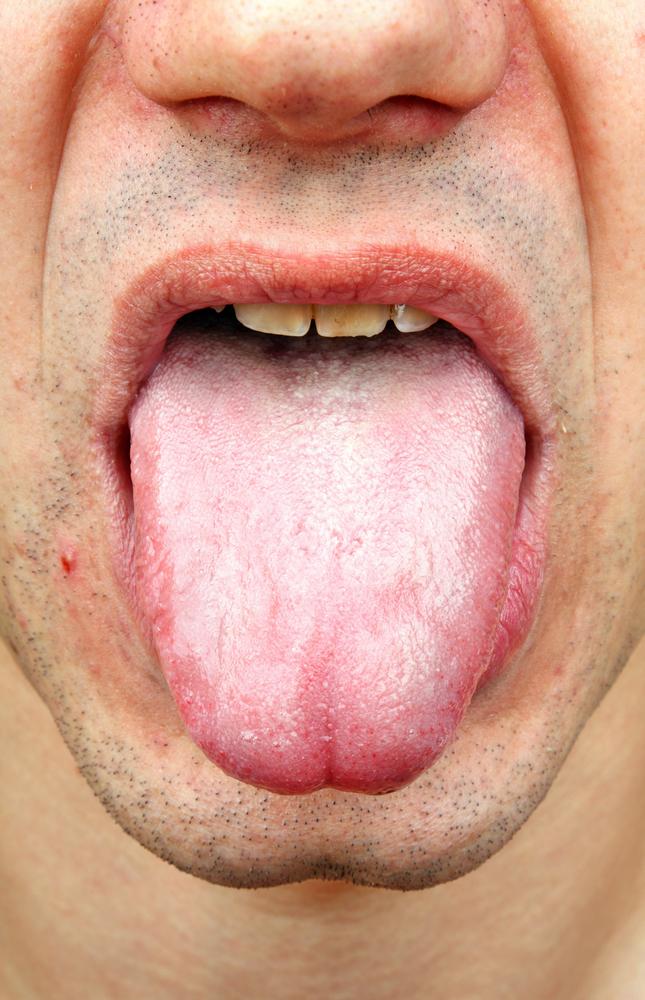
Filiform warts are a unique type of wart that can look quite different from the common warts people are familiar with. They often appear as thin, finger-like growths that extend outward from the skin, making them easier to recognize but also sometimes more concerning for patients. These warts are caused by certain strains of the human papillomavirus (HPV), and while they are usually harmless, they can spread or become bothersome if left untreated.
If you want a deeper understanding of what filiform warts are and their causes, you can explore this detailed guide. In this article, we’ll explain how to identify filiform warts, where they commonly appear, when to seek treatment, and what options are available for managing them effectively.
What Are Filiform Warts?
Filiform warts are a type of wart that typically develops on the face, especially around the:
-
Eyelids
-
Lips
-
Nose
-
Neck
-
Chin
Unlike flat or common warts, filiform warts have a thread-like or spiky appearance. They may grow quickly and can sometimes cluster together.
Although they are non-cancerous, filiform warts can cause discomfort, irritation, or cosmetic concerns, particularly when located on visible areas of the body.
What Causes Filiform Warts?
Filiform warts are caused by infection with certain strains of HPV (human papillomavirus). The virus enters the body through small cuts or breaks in the skin.
Common Causes and Risk Factors
Several factors increase the risk of developing filiform warts:
-
Direct contact with HPV
-
Skin injuries or micro-abrasions
-
Weakened immune system
-
Frequent touching or shaving around the face
-
Close contact with someone who has warts
Because HPV is contagious, filiform warts can spread through direct skin contact or by touching contaminated surfaces.
How Filiform Warts Spread
Filiform warts can spread in several ways:
-
Touching an existing wart and then another area of skin
-
Sharing personal items like towels or razors
-
Skin-to-skin contact
-
Scratching or picking at the wart
This is why early identification and proper management are important to prevent further spread.
How to Identify Filiform Warts
Filiform warts have distinctive features that set them apart from other types of warts.
Key Characteristics
-
Thin, finger-like projections
-
Rough texture
-
Skin-colored, pink, or slightly darker tone
-
Fast growth compared to other wart types
-
Often appear alone but may cluster
They may also bleed slightly if irritated, especially during shaving or washing the face.
Filiform Warts vs Other Types of Warts
It can sometimes be difficult to distinguish filiform warts from other wart types.
Here’s how they differ:
Filiform Warts
-
Long, narrow projections
-
Common on the face
-
Grow quickly
Common Warts
-
Round and raised
-
Rough surface
-
Usually found on hands and fingers
Flat Warts
-
Smooth and flat
-
Smaller in size
-
Often appear in groups
Understanding these differences can help with early identification and proper treatment.
Symptoms Associated With Filiform Warts
Although filiform warts are usually painless, some people may experience:
-
Mild irritation
-
Sensitivity in affected areas
-
Bleeding if scratched
-
Cosmetic concerns
If the wart grows in a sensitive location like the eyelid or lip, it may interfere with daily activities.
When to Seek Medical Treatment
In many cases, warts can resolve on their own as the immune system fights the virus. However, you should seek treatment if:
-
The wart grows rapidly
-
It becomes painful or irritated
-
It spreads to other areas
-
It bleeds frequently
-
It affects your confidence or comfort
Additionally, any unusual skin growth should be evaluated by a healthcare professional to confirm the diagnosis.
Treatment Options for Filiform Warts
Treatment depends on the size, location, and number of warts.
1. Professional Removal
Healthcare providers may recommend:
Cryotherapy
Freezing the wart using liquid nitrogen.
Excision
Cutting the wart off surgically.
Laser Treatment
Using focused light to destroy wart tissue.
These treatments are commonly used when the wart is persistent or located in sensitive areas.
2. Medical Treatments
Doctors may also recommend treatments that stimulate the immune system to fight the virus.
These approaches are especially useful for individuals with recurring warts.
3. Avoiding At-Home Removal for Facial Warts
Because filiform warts often appear on the face, attempting to remove them at home can lead to:
-
Scarring
-
Infection
-
Spread of the virus
Professional evaluation is the safest option.
Preventing Filiform Warts
While it may not always be possible to completely prevent filiform warts, certain habits can reduce the risk.
Prevention Tips
-
Avoid touching or picking at warts
-
Wash your hands regularly
-
Do not share personal items like razors or towels
-
Maintain healthy skin hygiene
-
Support immune health with proper nutrition and rest
These steps can help limit both infection and recurrence.
Do Filiform Warts Go Away on Their Own?
In some cases, filiform warts may disappear without treatment as the body’s immune system eliminates the virus. However, this process can take months or even years.
Many people choose treatment because:
-
Warts are located on visible areas
-
They grow quickly
-
They cause discomfort
-
They spread easily
Seeking medical advice can help determine the best course of action.
The Role of Clinical Research in Wart Treatment
Advancements in dermatology and viral infection treatments continue to improve wart management. Clinical research studies play a significant role in developing more effective and less invasive therapies.
Final Thoughts
Filiform warts are a distinct type of wart caused by HPV that often appear on the face and grow quickly compared to other wart types. Although they are usually harmless, early identification and proper care are important to prevent spreading and reduce discomfort.
For individuals exploring advanced treatment options, you may consider participating in clinical trials for warts in Boston MA, which may provide access to innovative therapies while contributing to medical research.
If you are exploring advanced care options or persistent wart treatments, clinical research opportunities may offer access to new solutions and improved outcomes.

 English
 Arabic
 French
 Spanish
 Portuguese
 Deutsch
 Turkish
 Dutch
Dutch
 Italiano
 Russian
 Portuguese (Brazil)
 Greek
Greek