


Solving B2B Rashguard Sourcing: Quality & Durability Guide
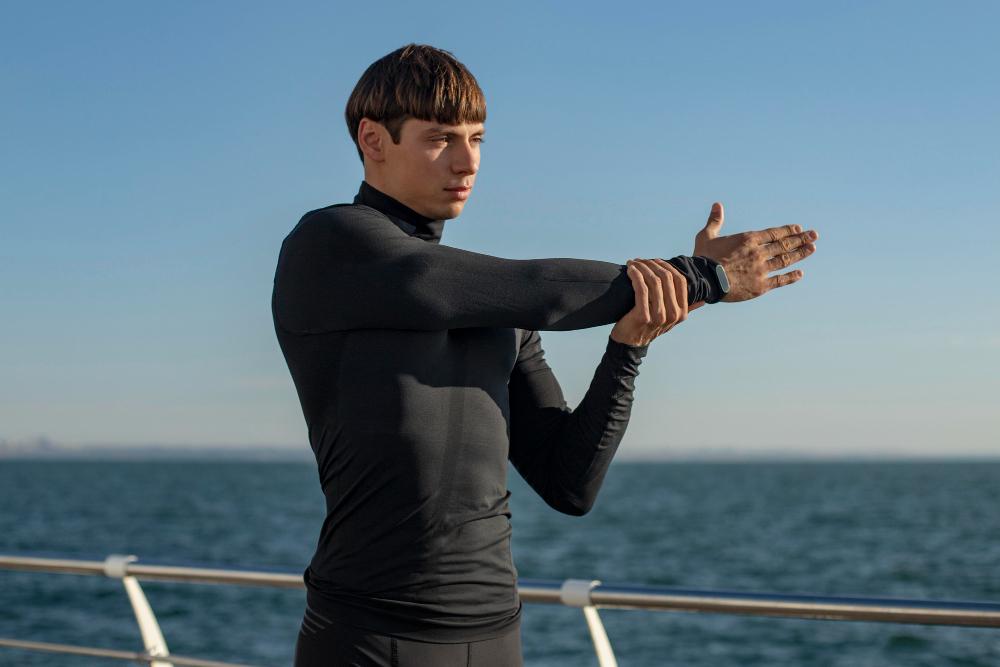
In the high-performance swimwear sector, the rashguard has evolved from a niche surfing accessory into a cornerstone of the global UV-protection market. For B2B buyers—ranging from athletic brands to high-end resort boutiques—the demand for "sun-safe" apparel is at an all-time high in 2026. However, as the market expands, so do the technical pitfalls that can compromise a brand’s reputation.
Procuring a high-quality rash guard involves more than just selecting a vibrant print. It requires navigating a complex "Wavezone" of textile engineering, ergonomic design, and environmental resilience. If your current inventory is suffering from "fabric blowouts" or inconsistent protection ratings, you aren't just facing a product defect—you’re facing a strategic sourcing problem.
Here is how industry experts solve the most critical challenges in rashguard manufacturing today.
1. The "UPF Decay" Dilemma: Beyond the Initial Rating
The primary value proposition of a rashguard is its Ultraviolet Protection Factor (UPF). In 2026, consumer advocacy groups and regulatory bodies are increasingly testing garments after multiple washes to ensure they maintain their safety claims.
The Problem: Many entry-level swimwear manufacturers rely on chemical coatings to achieve a UPF 50+ rating. While effective in the showroom, these coatings wash away after only 5 to 10 submerged hours, leaving the wearer vulnerable and the brand liable for "false performance" claims.
The Solution: Solve this by insisting on inherent UV protection. High-performance rashguards should be constructed from high-density, tight-knit textiles where the protection is derived from the weave structure and the fiber itself (such as titanium-dioxide infused yarn). By sourcing warp-knit fabrics with a certified 40-gauge density, you ensure that the protection remains permanent for the life of the garment, regardless of chlorine exposure or salt-water saturation.
2. Solving "Movement Restriction" Through Ergonomic Seaming
A frequent pain point for the end-user—and a major driver of B2B returns—is skin irritation caused by poor seam placement. By definition, a rashguard is meant to prevent abrasions, yet many poorly designed models actually cause them.
The Problem: Traditional "overlock" stitching creates bulky seams that rub against the skin during repetitive motions, such as paddling or swimming. Furthermore, "set-in" sleeve designs often restrict the four-way stretch of the fabric, leading to premature tearing under the arms.
The Solution: Professional apparel manufacturing standards now dictate the use of flatlock stitching and raglan sleeves. Flatlock seams lay completely flat against the skin, eliminating friction points. As an expert, I recommend incorporating gusseted underarms and "seamless paddle zones." These technical design choices allow for maximum range of motion and utilize the full elasticity of the elastane (Spandex) blend, ensuring the garment moves with the athlete rather than against them.
3. The Pilling and Abrasion Crisis in "Active" Environments
B2B buyers in the surf and dive industries often encounter the "Velcro effect"—where the high-performance fabric of a rashguard begins to "pill" or fuzz after coming into contact with surfboard wax or rough pool edges.
The Problem: Standard recycled polyester or nylon blends can be delicate. When these fibers break on the surface, the garment looks aged and "cheap" within weeks, leading to a loss of perceived value for the retail customer.
The Solution: The technical fix involves sourcing pilling-resistant fabrics that have undergone rigorous "Martindale" abrasion testing. Look for textile blends that incorporate a higher percentage of nylon 6.6 or specialized "high-tenacity" fibers. These materials are engineered to withstand the friction of a surfboard or the abrasive texture of a life vest. By prioritizing "hard-face" fabric technology, you extend the aesthetic life of the product, which is a key selling point for B2B accounts focused on longevity and sustainability.
4. Optimizing for the 2026 "Digital Shelf" (SEO & SGE)
In the modern B2B landscape, your product's "discoverability" is as important as its durability. Search engines now prioritize technical depth over simple keyword density.
The Problem: Generic product titles like "Blue Rashguard" fail to capture the specific intent of professional procurement managers who are searching for technical solutions.
The Solution: Use an "Authority-First" semantic strategy. When listing your rashguard collections, include detailed LSI terms such as moisture-wicking, quick-dry technology, chlorine-resistant textiles, and hydrodynamic fit. This signals to search algorithms that your content—and by extension, your product—is a high-authority solution for the technical needs of the swimwear industry.
The Bottom Line
In the competitive rashguard market, the "problem" is often a lack of technical foresight. By solving for permanent UV protection, ergonomic comfort, and abrasion resistance, you transform a simple garment into a piece of high-performance equipment.
For the B2B buyer, choosing a manufacturer that understands these nuances is the difference between a one-time sale and a long-term partnership.

 English
 Arabic
 French
 Spanish
 Deutsch
 Turkish
 Dutch
Dutch
 Italiano
 Russian
 Romaian
 Portuguese (Brazil)
 Greek
Greek