


Recurring Injuries Holding You Back? Solutions with Acupuncture for Sports Injuries
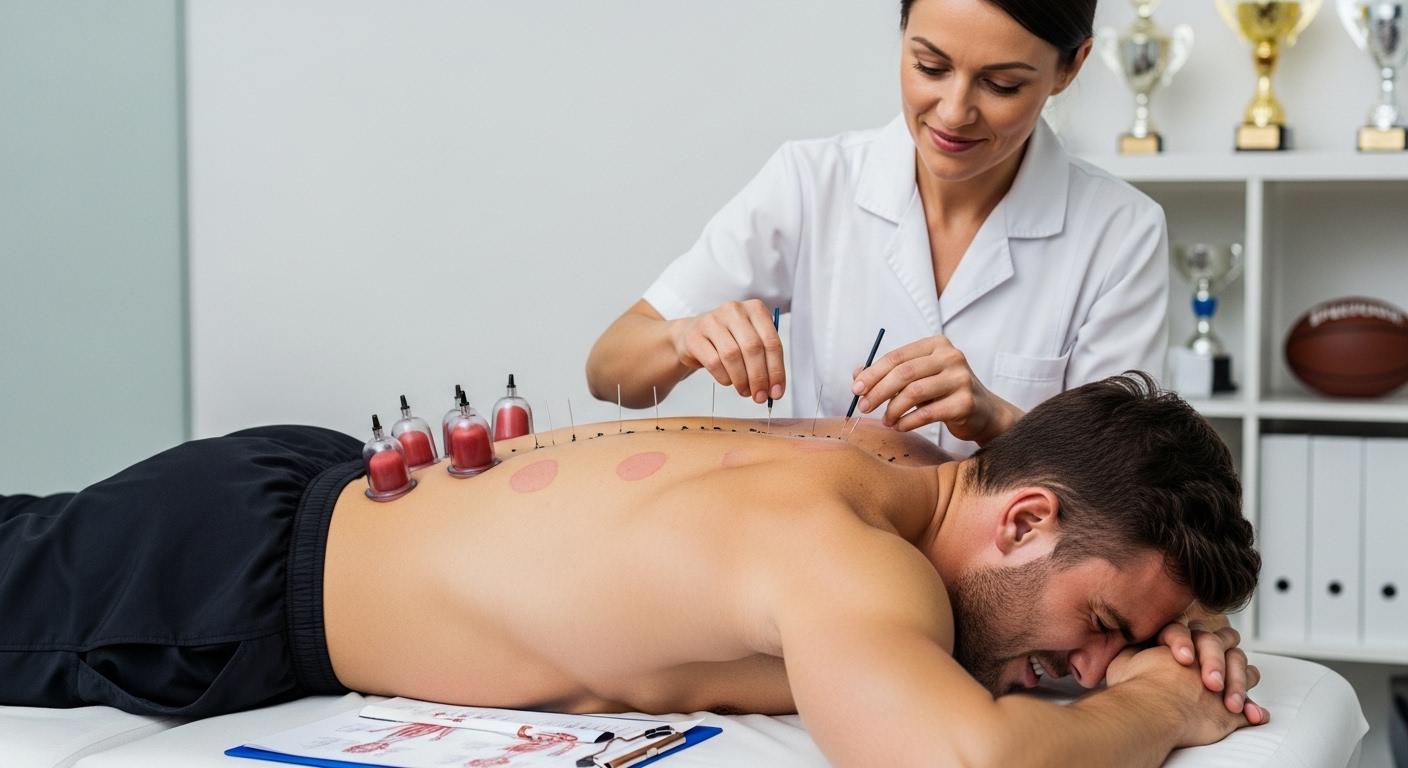
Few things frustrate athletes more than recurring injuries. You push through rehabilitation, return to training, and just when momentum builds—the same injury flares up again. Whether it's a nagging hamstring strain, chronic ankle instability, persistent tennis elbow, or recurring shoulder impingement, these cyclical setbacks steal progress, dampen motivation, and raise questions about long-term athletic viability. The reality is that conventional treatment often addresses symptoms without resolving underlying dysfunctions. That's precisely why acupuncture for sports injuries has become an increasingly vital component of comprehensive athletic care—offering solutions that target root causes rather than merely suppressing pain.
Understanding Why Sports Injuries Keep Coming Back
Recurring injuries aren't simply bad luck or inadequate rest. They typically signal deeper imbalances in tissue quality, biomechanics, nervous system function, or recovery capacity that standard treatments fail to address:
Incomplete Tissue Healing and Scar Tissue Formation
When initial injuries don't heal completely, weakened tissues remain vulnerable to re-injury. Even more problematic is dysfunctional scar tissue—collagen fibers laid down haphazardly rather than along functional lines. This creates areas of reduced flexibility, altered biomechanics, and compromised tensile strength.
Research published in the British Journal of Sports Medicine indicates that up to 30% of soft tissue injuries result in suboptimal healing that predisposes athletes to recurrence. Without interventions that address tissue quality directly, this vulnerability persists indefinitely.
Chronic Inflammation That Never Fully Resolves
Acute inflammation is essential for healing—but when it becomes chronic, it transforms from helper to hindrance. Persistent low-grade inflammation damages healthy tissue, sensitizes pain receptors, and creates an environment where minor stresses trigger disproportionate responses.
A 2020 study in Nature Reviews Immunology identified failed inflammation resolution as a primary driver of recurring musculoskeletal problems. Standard anti-inflammatory medications may suppress symptoms temporarily but often interfere with complete healing.
Neuromuscular Dysfunction and Compensatory Patterns
Injuries alter movement patterns. Even after pain resolves, the nervous system often retains protective guarding, muscle inhibition, or compensatory strategies that redistribute stress inappropriately. These dysfunctional patterns overload adjacent structures while leaving originally injured areas deconditioned.
According to research in Journal of Athletic Training, altered neuromuscular control persists for months after clinical recovery in many athletes—explaining why "healed" injuries so frequently recur during high-demand activities.
Central Sensitization and Pain Memory
Repeated injuries can sensitize the central nervous system, lowering pain thresholds and amplifying signals from even minor tissue stress. This phenomenon—called central sensitization—means the nervous system "remembers" previous injuries and responds more intensely to subsequent challenges.
Studies in Pain Medicine demonstrate that central sensitization develops in approximately 25% of athletes with recurring injuries, creating a self-perpetuating cycle of heightened pain response and protective limitation.
Circulatory Deficits and Tissue Hypoxia
Damaged or scarred tissues often have compromised blood supply. Without adequate circulation, healing nutrients and oxygen can't reach affected areas, immune surveillance decreases, and metabolic waste accumulates. This creates chronically vulnerable zones prone to breakdown under athletic demands.
How Acupuncture for Sports Injuries Breaks the Recurrence Cycle
Acupuncture offers unique therapeutic mechanisms that address each factor driving injury recurrence. Unlike passive treatments that simply manage symptoms, acupuncture actively remodels tissue, resets neural patterns, and restores physiological balance:
Promoting Complete Tissue Healing and Scar Remodeling
Acupuncture stimulates fibroblast activity—the cells responsible for collagen production and tissue remodeling. When needles penetrate scar tissue, they create controlled microtrauma that triggers the body's wound healing cascade, essentially giving tissues a "second chance" at proper repair.
Research in Acupuncture in Medicine demonstrated that acupuncture significantly improved collagen organization and tensile strength in healing tendons compared to rest alone. This means stronger, more functional tissue that resists re-injury.
Swissacu Acupuncture Specialists in Redmond, WA employ specialized techniques targeting scar tissue and adhesions that perpetuate recurring injuries—combining traditional meridian approaches with modern trigger point and anatomical strategies for comprehensive healing.
Resolving Chronic Inflammation at Its Source
Unlike anti-inflammatory drugs that merely block pain signals, acupuncture modulates the inflammatory response at cellular and systemic levels. Needle stimulation triggers adenosine release—a powerful anti-inflammatory molecule—while regulating cytokine balance toward resolution rather than perpetuation.
A landmark study in Nature Neuroscience showed that acupuncture increased local adenosine concentrations by 24-fold, dramatically reducing inflammation markers and pain sensitivity. This mechanism addresses root causes rather than masking symptoms.
Additionally, acupuncture influences the vagus nerve and hypothalamic-pituitary-adrenal axis, modulating systemic inflammation that contributes to tissue vulnerability throughout the body.
Restoring Neuromuscular Function and Movement Quality
Acupuncture directly influences the nervous system, helping reset dysfunctional motor patterns that perpetuate injury cycles. By reducing muscle guarding, releasing trigger points, and normalizing proprioceptive input, acupuncture restores the neuromuscular coordination essential for injury-free performance.
Research published in The Journal of Strength and Conditioning Research found that acupuncture improved muscle activation patterns and reduced electromyographic signs of compensation in athletes recovering from lower extremity injuries. This neuromuscular "reset" is crucial for preventing recurrence.
Reversing Central Sensitization and Pain Amplification
One of acupuncture's most remarkable capabilities is its ability to modulate pain processing at spinal cord and brain levels. Functional MRI studies demonstrate that acupuncture deactivates brain regions associated with pain catastrophizing while activating descending inhibitory pathways that dampen pain signals.
A systematic review in JAMA Network Open concluded that acupuncture produces measurable changes in central pain processing that persist beyond treatment sessions—effectively "rewiring" hypersensitive pain pathways back toward normal function.
Enhancing Circulation and Tissue Oxygenation
Acupuncture significantly improves blood flow through multiple mechanisms: local vasodilation via nitric oxide release, histamine-mediated capillary permeability, and autonomic nervous system regulation. Laser Doppler imaging confirms measurable increases in tissue perfusion lasting well beyond treatment sessions.
A 2021 study in Medical Acupuncture showed that athletes receiving acupuncture for chronic tendinopathy demonstrated 38% improvement in tendon blood flow compared to standard care—directly correlating with faster healing and reduced recurrence rates.
Clinical Evidence Supporting Acupuncture for Sports Injuries
The scientific literature increasingly validates acupuncture's effectiveness for athletic injuries:
-
A Cochrane review analyzing 14 randomized controlled trials found that acupuncture provides significant short-term relief for lateral elbow pain (tennis elbow) and improves grip strength compared to sham treatment.
-
Research published in Clinical Journal of Sport Medicine demonstrated that acupuncture reduced recurrence rates in athletes with chronic ankle instability by 47% compared to rehabilitation alone over a 12-month follow-up period.
-
A systematic review in British Journal of Sports Medicine concluded that acupuncture is "likely beneficial" for various sports injuries including tendinopathy, muscle strains, and ligament sprains—particularly when integrated with active rehabilitation.
-
Studies from the Australian Institute of Sport found that elite athletes receiving regular acupuncture had 35% fewer training days lost to injury compared to matched controls over a competitive season.
These findings explain why professional sports teams, Olympic training centers, and collegiate athletic programs increasingly incorporate acupuncture into their medical services.
Common Sports Injuries That Respond Well to Acupuncture
Acupuncture has demonstrated effectiveness for numerous athletic injuries, including:
Tendinopathies: Achilles tendinitis, patellar tendinitis, rotator cuff tendinitis, and tennis/golfer's elbow often respond dramatically to acupuncture's ability to enhance tendon blood flow and stimulate tissue remodeling.
Muscle Strains: Hamstring, quadriceps, calf, and groin strains benefit from acupuncture's inflammation-modulating and circulation-enhancing effects that accelerate healing while preventing scar tissue complications.
Ligament Sprains: Ankle sprains, knee ligament injuries, and wrist sprains heal more completely when acupuncture addresses the fascial restrictions and neuromuscular dysfunction that perpetuate instability.
Overuse Injuries: Shin splints, plantar fasciitis, IT band syndrome, and stress reactions respond to acupuncture's ability to reduce chronic inflammation and restore tissue resilience.
Post-Surgical Recovery: Athletes recovering from ACL reconstruction, labral repairs, or other procedures often use acupuncture to manage pain, reduce swelling, and accelerate rehabilitation milestones.
Integrating Acupuncture Into Your Sports Injury Recovery Plan
For optimal outcomes, acupuncture should be integrated thoughtfully with other recovery modalities:
Acute Phase (0-2 weeks): Acupuncture focuses on pain control, inflammation modulation, and preventing compensatory patterns from solidifying. Distal points may be emphasized to avoid aggravating acute injury sites.
Subacute Phase (2-6 weeks): Treatment targets tissue healing, scar tissue prevention, and gradual restoration of neuromuscular function. Local needling increases as inflammation subsides.
Remodeling Phase (6+ weeks): Acupuncture supports tissue strengthening, addresses residual restrictions, and helps restore full function. Integration with progressive loading exercises maximizes outcomes.
Maintenance Phase: Periodic treatments help maintain tissue quality, address emerging tightness or dysfunction, and prevent recurrence during high training loads.
Most practitioners recommend starting with 2-3 sessions weekly during acute phases, transitioning to weekly sessions during rehabilitation, and eventually monthly maintenance during full training.
Real Athlete Experiences
"I'd strained my hamstring four times in two years. Physical therapy helped temporarily, but it kept coming back. After eight acupuncture sessions targeting both the hamstring and my lower back compensation patterns, I've been injury-free for 18 months—including a full marathon." — Kevin T., Competitive Runner, Bellevue
"Chronic shoulder impingement was ending my swimming career. Acupuncture resolved the inflammation and released restrictions that years of conventional treatment couldn't touch. I'm back to competitive times without pain." — Amanda S., Masters Swimmer, Seattle
"As a CrossFit athlete, I was constantly dealing with tennis elbow that would flare with every competition. Acupuncture finally broke the cycle. My grip strength actually improved beyond pre-injury levels." — Jason M., CrossFit Competitor, Redmond
Prevention: Acupuncture as Proactive Sports Medicine
Beyond treating existing injuries, acupuncture for sports injuries serves a vital preventive function. Regular treatments during high training loads help:
-
Identify and address tissue vulnerabilities before they become injuries
-
Maintain optimal circulation and tissue quality
-
Regulate stress responses that impair recovery
-
Restore mobility restrictions that alter biomechanics
-
Support nervous system balance during demanding competition phases
Professional athletes increasingly use acupuncture proactively, not just reactively—recognizing that preventing injuries is far more valuable than treating them.
Conclusion
Recurring sports injuries don't have to define your athletic journey. When conventional treatments fail to break the cycle, acupuncture for sports injuries offers a scientifically validated approach that addresses the root causes perpetuating vulnerability: incomplete tissue healing, chronic inflammation, neuromuscular dysfunction, central sensitization, and circulatory deficits.
By promoting complete tissue remodeling, resolving stubborn inflammation, resetting dysfunctional movement patterns, and enhancing circulation to vulnerable areas, acupuncture helps athletes finally escape the frustrating cycle of injury, recovery, and re-injury. Whether you're a weekend warrior or elite competitor, this ancient healing art—now validated by modern research—can be the missing piece in your long-term athletic success and injury resilience.

 English
 Arabic
 French
 Portuguese
 Deutsch
 Turkish
 Dutch
Dutch
 Italiano
 Russian
 Romaian
 Portuguese (Brazil)
 Greek
Greek