


Safe Mole Removal in Dubai: Advanced Surgical Excision Techniques
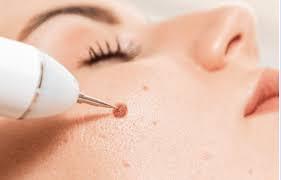
While laser technology is an excellent choice for superficial spots, certain lesions require a more structural approach. Mole removal in Dubai via surgical excision remains the "gold standard" for moles that are deeply rooted in the dermis, those that are clinically "suspicious," or larger growths that a laser cannot effectively reach.
At Tajmeels Clinic, we prioritize safety and histopathology. Surgical excision allows our specialists to remove the entire mole—including the underlying "root"—and send the tissue for laboratory testing. This ensures that the removal is not just a cosmetic improvement, but a vital step in your long-term dermatological health.
Identifying Removable Moles: When Surgery is Preferred
During a consultation for mole removal in Dubai, our clinicians at Tajmeels Clinic evaluate the lesion's depth, color, and symmetry. Surgical excision is usually recommended if:
-
The Mole is Atypical: Any mole showing irregular borders, multiple colors, or rapid growth (the ABCDEs of melanoma) must be surgically removed to allow for a full biopsy.
-
The Mole is Raised (Dermal Nevi): Moles that protrude significantly from the skin often have deep "roots" that a laser might leave behind, leading to regrowth.
-
The Mole is Rubbing on Clothing: Moles on the waistline, neck, or underarms that cause physical discomfort or bleeding are best resolved through total excision.
-
Recurrent Moles: If a mole was previously treated with a laser and has started to reappear, surgical excision ensures the entire structure is removed permanently.
Surgical Excision Process: Step-by-Step
The thought of "surgery" can be intimidating, but mole removal in Dubai at Tajmeels Clinic is a streamlined, outpatient procedure performed in our sterile clinical suites.
-
Marking the Margin: The surgeon carefully marks the mole and a small "safety margin" of healthy skin around it to ensure no abnormal cells are left behind.
-
Sterilization: The area is thoroughly cleansed with medical-grade antiseptic to prevent infection.
-
The Excision: Using a precision surgical scalpel, the doctor makes an elliptical (football-shaped) incision. This shape allows the skin edges to come together more naturally for a flatter scar.
-
Tissue Preservation: The removed mole is immediately placed in a preservative solution and sent to a DHA-licensed laboratory for pathological analysis.
Anesthesia Options: Ensuring Total Comfort
A major benefit of modern mole removal in Dubai is that it is virtually painless. We utilize high-potency local anesthetics:
-
Infiltrative Anesthesia: A small injection of Lidocaine is administered directly under the mole. Within seconds, the area becomes completely numb.
-
Emla Cream (Pre-numbing): For nervous patients, we can apply a topical numbing cream 30 minutes before the injection so even the initial "pinch" is unfelt.
-
Epinephrine Additive: We often include a small amount of epinephrine to constrict blood vessels, ensuring the site remains bloodless and clearly visible for the surgeon.
Wound Closure Methods: The Art of the Stitch
The way a wound is closed determines the quality of the final result. At Tajmeels Clinic, our surgeons utilize specialized suturing techniques:
-
Subcuticular (Internal) Stitches: We use dissolvable stitches under the skin's surface to hold the tension. This prevents the "railroad track" look of external stitches.
-
Fine Nylon Sutures: For the surface, we use ultra-fine threads (thinner than a hair) to perfectly align the skin edges.
-
Steri-Strips: In some cases, medical adhesive strips are used alongside stitches to provide extra support and reduce tension on the healing line.
Healing Timeline: What to Expect
Healing from surgical mole removal in Dubai follows a predictable medical timeline:
-
Days 1–2: The area may feel slightly "tender" as the anesthesia wears off. A small waterproof dressing will cover the site.
-
Day 7–10: If non-dissolvable stitches were used, they are removed at Tajmeels Clinic. At this stage, the wound is closed but the "remodeling" phase is just beginning.
-
Weeks 2–6: The scar may look pink or slightly raised. This is a normal part of the inflammatory healing phase.
-
Month 3–6: The scar begins to flatten and fade, eventually turning into a thin, pale line that is barely noticeable.
Scar Minimization: Achieving a Flawless Finish
In the image-conscious environment of the UAE, we take scar management seriously. Following mole removal in Dubai, we recommend:
-
Silicone Gel/Sheets: Once the stitches are out, applying medical-grade silicone helps flatten the scar and prevents "keloid" formation.
-
Absolute Sun Block: Fresh scars are highly sensitive to UV. If the scar is exposed to the Dubai sun, it can turn permanently dark (hyperpigmentation). Apply SPF 50+ religiously for 6 months.
-
Massage: Gentle pressure once the wound is fully closed helps break up collagen clumps, ensuring the scar stays soft and flat.
Follow-Up Care at Tajmeels Clinic
Our commitment to your skin doesn't end when you leave the clinic.
-
Pathology Results: We typically receive your mole's lab report within 5 to 7 working days. We will contact you immediately to discuss the findings.
-
Wound Check: A follow-up visit is scheduled to ensure there are no signs of infection and that the edges are healing symmetrically.
"Surgical excision is the most definitive way to treat a mole. It provides the peace of mind of a clear lab report and the permanence of total removal, all performed with the aesthetic precision our Dubai patients expect." — Clinical Team at Tajmeels

 English
 Arabic
 Spanish
 Portuguese
 Deutsch
 Turkish
 Dutch
Dutch
 Italiano
 Russian
 Romaian
 Portuguese (Brazil)
 Greek
Greek
