


100 kVA Transformer: Key Features, Uses and Working
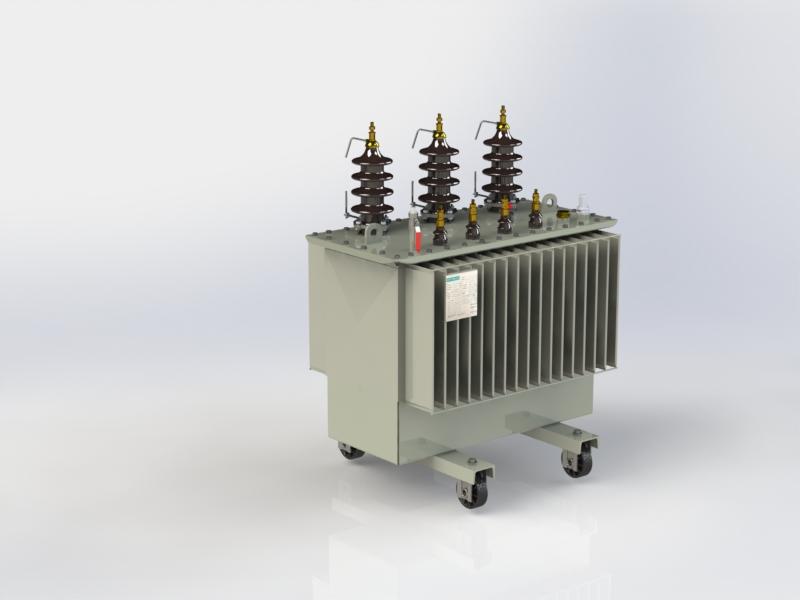
Electricity is an essential part of our daily life. From homes and offices to factories and farms, everything depends on a stable power supply. One of the most important devices that help in delivering safe and reliable electricity is a transformer. In this blog, we will focus on the 100 kVA transformer, a commonly used power device in many industries and commercial areas.
A 100 kVA transformer is widely used because it provides the right balance between power capacity and efficiency. It is suitable for medium-sized applications where power demand is not too low and not too high. In this article, we will explain everything in very simple language so that anyone can understand it easily.
What is a 100 kVA Transformer?
A transformer is an electrical device that changes the voltage level of electricity. It can either increase (step-up) or decrease (step-down) voltage as needed.
A 100 kVA transformer means that the transformer can handle a load of up to 100 kilovolt-amperes (kVA). This rating shows the total power capacity of the transformer.
Understanding kVA in Simple Terms
- kVA stands for kilovolt-amperes
- It is a unit used to measure electrical power
- It includes both active power and reactive power
In simple words, a 100 kVA transformer can safely supply electricity to medium-sized loads like small industries, commercial buildings, and large homes.
Key Features of a 100 kVA Transformer
A 100 kVA transformer comes with several important features that make it useful and reliable.
1. Medium Power Capacity
This transformer is ideal for applications that need moderate power. It is not too small and not too large, making it very versatile.
2. High Efficiency
Most modern transformers are designed to reduce energy loss. A 100 kVA transformer can operate efficiently for long hours.
3. Strong and Durable Design
These transformers are built with strong materials. They can handle heat, load changes, and environmental conditions.
4. Low Maintenance
Once installed properly, a 100 kVA transformer does not require frequent maintenance.
5. Safety Features
It includes protection systems like:
- Overload protection
- Short circuit protection
- Insulation for safety
Types of 100 kVA Transformers
There are different types of 100 kVA transformers available based on design and usage.
1. Oil-Filled Transformer
- Uses oil for cooling
- Suitable for outdoor use
- Better heat management
2. Dry-Type Transformer
- Does not use oil
- Safer for indoor use
- Requires less maintenance
3. Step-Up Transformer
- Increases voltage
- Used in power transmission
4. Step-Down Transformer
- Decreases voltage
- Used in homes and industries
How Does a 100 kVA Transformer Work?
The working of a transformer is based on a simple principle called electromagnetic induction.
Basic Working Principle
- Electricity enters the primary winding
- A magnetic field is created in the core
- This magnetic field transfers energy to the secondary winding
- Voltage is changed depending on the number of turns in the coils
Simple Example
- If the secondary coil has more turns → voltage increases
- If the secondary coil has fewer turns → voltage decreases
This process happens without any direct electrical connection between the two windings.
Main Components of a 100 kVA Transformer
To understand how it works better, let’s look at its main parts.
1. Core
- Made of iron
- Helps in transferring magnetic energy
2. Windings
- Copper or aluminum coils
- Primary and secondary windings
3. Insulation
- Prevents electrical leakage
- Ensures safety
4. Cooling System
- Oil or air cooling
- Prevents overheating
5. Tank
- Protects internal parts
- Usually made of steel
Common Uses of a 100 kVA Transformer
A 100 kVA transformer is used in many places due to its balanced capacity.
1. Small Industries
- Machinery operations
- Production units
2. Commercial Buildings
- Shopping complexes
- Offices
3. Residential Societies
- Power supply for apartments
- Backup systems
4. Agricultural Applications
- Water pumps
- Irrigation systems
5. Hospitals and Schools
- Reliable power supply
- Safety and stability
Advantages of Using a 100 kVA Transformer
There are many benefits of choosing this transformer.
1. Cost-Effective
It is affordable compared to larger transformers.
2. Versatile Usage
Can be used in many different applications.
3. Energy Efficient
Reduces electricity loss and saves energy.
4. Easy Installation
Does not require very complex setup.
5. Reliable Performance
Provides stable voltage for long durations.
Things to Consider Before Buying
Before selecting a 100 kVA transformer, it is important to keep a few things in mind.
1. Load Requirement
Make sure the transformer can handle your total load.
2. Type of Transformer
Choose between oil-filled or dry-type based on location.
3. Cooling Method
Ensure proper cooling for long life.
4. Installation Location
Indoor or outdoor installation matters.
5. Safety Standards
Check for quality and safety certifications.
Installation Guidelines
Proper installation is very important for safe and efficient working.
1. Choose the Right Location
- Well-ventilated area
- Away from water and dust
2. Proper Grounding
- Ensures safety
- Prevents electrical shocks
3. Follow Manufacturer Instructions
- Always follow guidelines
- Use trained professionals
4. Maintain Safe Distance
- Keep away from living areas
- Ensure restricted access
Maintenance Tips
Regular maintenance helps increase the life of the transformer.
1. Check Oil Levels (for oil-filled)
- Maintain proper oil level
- Replace if necessary
2. Inspect for Leaks
- Check tank and pipes
- Fix leaks immediately
3. Clean the Transformer
- Remove dust and dirt
- Keep surroundings clean
4. Monitor Temperature
- Avoid overheating
- Ensure cooling system works properly
5. Regular Testing
- Electrical testing
- Insulation checks
Safety Precautions
Safety is very important when dealing with electrical equipment.
- Do not overload the transformer
- Keep it away from water
- Use proper insulation
- Avoid direct contact
- Install protective devices
Difference Between kVA and kW
Many people get confused between kVA and kW.
- kVA = Apparent power
- kW = Actual usable power
The difference depends on power factor.
Simple Formula:
kW = kVA × Power Factor
For example:
- 100 kVA transformer with 0.8 power factor
- Output = 80 kW
Applications in Modern Infrastructure
In today’s world, the demand for electricity is increasing every day. A 100 kVA transformer plays an important role in supporting modern infrastructure.
Smart Cities
- Power distribution systems
- Street lighting
Renewable Energy Systems
- Solar power systems
- Wind energy setups
Industrial Growth
- Supports machinery
- Ensures continuous production
Why Choose a 100 kVA Transformer?
A 100 kVA transformer is a perfect choice for medium-level power needs. It offers:
- Balanced performance
- Reliable output
- Long service life
- Cost efficiency
It is widely used because it fits well in both commercial and industrial applications.
Conclusion
A 100 kVA transformer is an important device that helps in delivering safe and stable electricity to many types of users. It is suitable for small industries, commercial buildings, and residential areas. With proper installation and regular maintenance, it can provide reliable service for many years.
If you are looking for a dependable solution for your power needs, choosing the right transformer is very important. Always consider your load requirements, installation environment, and safety features before making a decision.
For high-quality and reliable transformer solutions, you can trust Prabha Power to meet your requirements with efficiency and durability.

 English
 French
 Spanish
 Portuguese
 Deutsch
 Turkish
 Dutch
Dutch
 Italiano
 Russian
 Romaian
 Portuguese (Brazil)
 Greek
Greek