Introduction to Granny Horror Game Experience
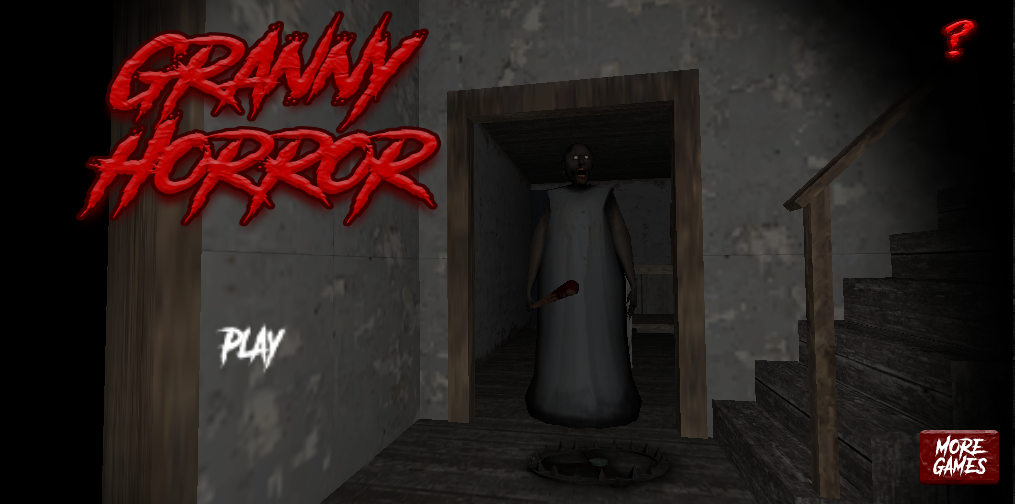
Granny is a first person horror survival game that places the player inside a locked house controlled by a terrifying antagonist. The main objective is simple in concept but difficult in execution: escape the house within five days while avoiding detection.
The game combines stealth mechanics, puzzle solving, and resource management. Every movement creates risk because sound attracts attention. Players must learn routes, item locations, and hiding spots while staying alert at all times.
This guide explains gameplay structure, survival strategies, item usage, and advanced techniques to improve success rate in escaping the house.
Understanding Core Gameplay Mechanics
Time Limit and Day System
The game uses a five day system. Each time the player is caught, a new day begins. Progress resets in terms of position but not entirely in puzzle progression depending on actions taken.
Players must use each day efficiently. Waste of time increases pressure and reduces chances of escape.
Sound Awareness System
Sound is one of the most important mechanics. Dropping objects, opening doors, or walking on certain surfaces can alert enemies. The antagonist reacts quickly to noise.
Crouching reduces noise. Moving slowly helps avoid detection. Strategic silence is essential for survival.
Enemy Behavior Patterns
Granny reacts to both sight and sound. She patrols rooms, checks suspicious noises, and investigates disturbances.
Understanding her patrol routes helps players avoid encounters. Listening carefully to audio cues provides hints about her location.
Essential Survival Strategies
Learning the House Layout
Familiarity with the environment is crucial. The house contains multiple floors, hidden rooms, basements, and locked areas.
Players should explore cautiously during early attempts. Mapping mentally or physically helps track important locations such as key spawn points and puzzle items.
Stealth Movement Techniques
Movement control plays a key role in survival. Walking slowly reduces noise while running increases detection risk.
Crouching is recommended when navigating near open areas or when proximity to the antagonist is high. Avoid unnecessary interactions with objects unless required.
Use of Hiding Spots
The house includes several hiding spots such as wardrobes, beds, and under furniture.
When danger is near, entering a hiding spot can prevent detection. Timing is important because entering or exiting at the wrong moment may expose the player.
Important Items and Their Uses
Keys and Locks
Keys unlock doors and progress areas of the house. Different keys correspond to different locks.
Finding and remembering key locations is a priority. Some keys may be hidden in drawers, shelves, or behind objects.
Tools and Weapons
Items such as hammer, wrench, and cutting tools are used for solving puzzles and unlocking paths.
Some items can temporarily stun the antagonist, providing short windows to escape. Efficient usage of these tools improves survival chances.
Puzzle Items
Puzzle components include objects required to complete specific tasks, such as assembling mechanisms or activating hidden passages.
Players must combine observation with logic to determine where each item fits.
Navigation and Exploration Tips
Safe Exploration Routes
Choosing a route depends on current threat level. If the antagonist is nearby, avoid open spaces and use indirect paths.
Backtracking is sometimes necessary but should be done carefully to avoid predictable movement patterns.
Managing Inventory Space
Inventory space is limited. Players must decide which items to carry and which to leave behind.
Prioritize items that are required for current objectives. Avoid carrying unnecessary objects that slow movement.
Environmental Awareness
Pay attention to visual and audio cues. Doors opening, footsteps, and sudden noises indicate presence nearby.
Lighting conditions also affect visibility. Some areas are darker and require careful movement.
Advanced Survival Techniques
Distracting the Antagonist
Throwing objects can create noise in specific areas to mislead the antagonist. This technique allows players to redirect attention away from their intended path.
Timing and placement of distractions are important to avoid accidental self-exposure.
Route Optimization
Experienced players plan efficient routes that combine item collection and puzzle solving in minimal movement.
Grouping objectives reduces travel time and minimizes exposure risk.
Memory and Pattern Recognition
Repeated playthroughs help recognize patterns in item placement and enemy movement.
Over time, players can anticipate behavior and respond faster to threats.
Common Mistakes to Avoid
Making Excessive Noise
Running unnecessarily or dropping objects in open areas increases detection risk. Controlled movement is always safer.
Ignoring Audio Cues
Audio provides critical information about enemy position. Ignoring sound leads to unexpected encounters.
Poor Item Management
Carrying irrelevant items or forgetting item locations slows progress. Efficient organization improves gameplay flow.
Rushing Without Planning
Hasty decisions often lead to traps or detection. A careful and methodical approach is more effective.
Tips for Escaping Successfully
Focus on early exploration during safe moments. Identify key items and memorize their locations. Use hiding spots when danger approaches. Avoid predictable movement patterns and remain patient.
Combining stealth, awareness, and planning significantly increases chances of escaping the house within the time limit.
Conclusion
Granny delivers a challenging horror experience that tests patience, observation, and strategic thinking. Success depends on understanding mechanics, mastering stealth movement, and efficiently using available resources.
By learning the house layout, managing sound, and applying advanced survival strategies, players can gradually improve performance and achieve escape more consistently. The game rewards careful planning and punishes rushed decisions, making each attempt a learning opportunity.




 English
 Arabic
 French
 Spanish
 Deutsch
 Turkish
 Dutch
Dutch
 Italiano
 Russian
 Romaian
 Portuguese (Brazil)
 Greek
Greek