

Tummy Tuck in Dubai: Effective Ways to Tighten Your Skin
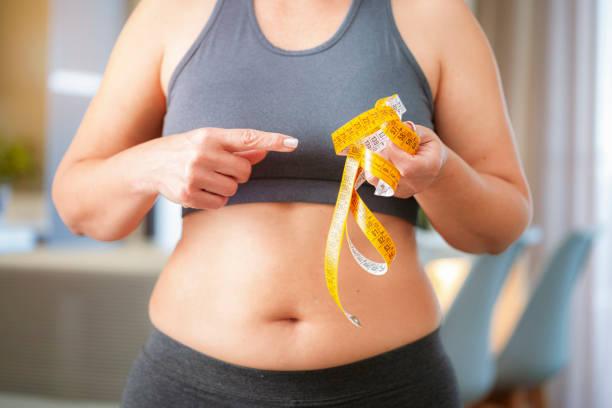
For many individuals, the journey toward a contoured midsection is stalled not by stubborn fat, but by skin that has lost its structural resilience. A tummy tuck in Dubai serves as the definitive medical intervention for this concern, moving beyond the surface-level improvements of creams or non-invasive devices. When the dermal fibers have been overstretched due to pregnancy or weight fluctuations, they lose their "snap-back" ability, resulting in a crepey texture or a physical overhang. In a high-standard clinical environment, tightening the skin involves a sophisticated process of measuring tension, removing redundant tissue, and redraping the remaining skin over a repaired muscular foundation. By understanding the biological limits of skin elasticity, you can appreciate why surgical excision remains the gold standard for achieving a truly firm and smooth abdominal profile.
Restoring the tautness of the abdomen is a precise surgical art that balances the removal of excess tissue with the preservation of natural skin mobility.
The Science of Skin Elasticity and Laxity
Skin is a living organ held together by collagen and elastin, but these fibers have a "breaking point" beyond which they cannot naturally recover.
Why Do Non-Surgical Tightening Methods Often Fail for Severe Laxity?
Non-surgical treatments like radiofrequency or ultrasound work by heating the deep dermis to stimulate collagen. While effective for very mild "crepiness," they cannot physically reduce the surface area of the skin. If you have a visible fold or "apron" of skin, only the surgical removal of that excess tissue can provide a flat and firm result.
How Does the Surgeon Ensure the Skin Is Not "Too Tight"?
The surgeon performs a "tension test" during the procedure to ensure the skin can be closed without compromising blood flow. We observe that over-tightening can lead to wide scars or "delayed healing," so the goal is to achieve maximum firmness while allowing the patient to stand fully upright within the first ten days of recovery.
Combining Tightening with Structural Repair
A tummy tuck provides a comprehensive tightening effect because it addresses both the "cover" (the skin) and the "frame" (the muscles).
-
Dermal Excision: The removal of the skin between the navel and the pubic line eliminates the most damaged and stretched tissue.
-
Internal Plication: Tightening the abdominal muscles provides a firm "base" for the skin to sit on, much like pulling a bedsheet tight over a firm mattress.
-
Tissue Redraping: The remaining upper abdominal skin is pulled downward, which smooths out wrinkles and stretch marks, providing a rejuvenated texture.
Does a Tummy Tuck Tighten the Skin on the Flanks and Back?
In a standard tummy tuck, the tightening is focused on the anterior (front) abdominal wall. However, we observe that the "pull" of the surgery often provides a subtle lifting effect to the front of the thighs and the pubic area. For significant laxity on the sides, an "extended" tummy tuck may be required to achieve a 360-degree tightening effect.
What Is the "High-Lateral-Tension" Technique in Skin Tightening?
This advanced technique focuses the tension of the skin closure on the hips rather than the center of the abdomen. This prevents the "pulled" look in the middle and creates a more natural, athletic curve. It also helps to lift the outer thighs and buttocks slightly, providing a more comprehensive lower-body rejuvenation during the abdominal procedure.
Sensations of the Tightened Midsection
The physical feeling of "tight" skin is one of the most immediate changes you will notice after your surgical transformation.
-
The Initial "Drum" Feel: In the first month, the skin may feel as tight as a drum due to internal swelling and the surgical redraping. This sensation is normal and gradually softens as the tissues heal.
-
Nerve Reactivation: As the skin settles, you may feel tingling or "zaps." This is a positive indicator that the sensory nerves are re-establishing themselves in the newly positioned skin.
-
Suppleness Return: By the six-month mark, the skin begins to regain its natural suppleness. It will feel firm to the touch but will move naturally with your body’s movements and poses.
How Long Does It Take for the Skin to "Bond" to the Muscle?
The skin begins to adhere to the underlying muscle wall within the first two weeks, but the "biological bond" takes about six weeks to become structurally sound. This is why wearing a compression garment is critical during this window; it keeps the skin in direct contact with the muscle, ensuring it heals in a flat, smooth position without fluid gaps.
Can Skin Tightening Improve the Appearance of Old Scars?
Yes, a tummy tuck is often used to remove old scars, such as those from previous laparoscopic surgeries or C-sections. Because the lower abdominal skin is physically excised, any scars located in that "zone" are removed entirely. The remaining skin is then pulled down to create a fresh, unblemished surface above the new, lower incision line.
Social Proof: Real Patient Perspectives
-
"I tried every firming cream and laser treatment on the market, but nothing worked for my 'apron' of skin. The surgery was the only thing that actually made my stomach flat again. The skin feels so firm now, it's incredible." — Maya
-
"The tightness was a bit strange at first, but after a few months, it just felt like my skin was finally 'fitting' my body again. I don't have that heavy, dragging feeling in my stomach anymore." — Layla
Why Choose Tajmeels Clinic for Your Skin Restoration?
Restoring a firm, youthful abdominal profile requires a surgical team that understands the complex relationship between skin tension and vascular health. At Tajmeels Clinic, we specialize in advanced skin-tightening techniques that prioritize natural-looking results and safe healing. Our expert surgeons utilize meticulous redraping methods to ensure your abdomen is not only flat but smooth and anatomically correct. We provide a professional and empathetic environment where your concerns about skin laxity are addressed with grounded medical expertise and a personalized surgical plan. By choosing our specialized clinical team, you are ensuring that your tummy tuck is handled with the highest standards of aesthetic precision and post-operative care. We invite you to experience the confidence of a professionally tightened and contoured midsection at Tajmeels Clinic.
FAQs
Will my skin get loose again if I lose more weight?
If you lose a significant amount of weight (more than 10-15kg) after a tummy tuck, you may develop some minor new skin laxity. However, the skin will never be as loose as it was before the surgery. To get the best results, we recommend reaching your stable goal weight before undergoing the procedure.
Can I tighten my skin with exercise instead?
Exercise can significantly improve the muscle tone beneath the skin, but it cannot "shrink" skin that has been permanently stretched. Skin lacks the contractile fibers found in muscle; once the elastin is broken, only surgical removal can effectively address the excess tissue and restore a taut appearance.
Does the surgery help with "crepey" skin texture?
Yes, because the skin is pulled tight and redraped, much of the "crepey" or wrinkled texture caused by lost elasticity is smoothed out. While the internal quality of the skin remains the same, the mechanical tension provided by the tummy tuck makes it look significantly younger and firmer.
Is skin tightening permanent?
The removal of excess skin is permanent. However, your remaining skin will continue to age naturally. Maintaining a healthy lifestyle, avoiding smoking, and staying hydrated are the best ways to preserve the firmness achieved during your surgery for many years to come.
Will I have "puckering" at the ends of the scar?
"Puckering," often called "dog ears," can occasionally occur at the edges of the incision if there is a significant amount of skin to be removed. Our surgeons use advanced tailoring techniques to minimize this risk. If minor puckering does occur, it can usually be easily corrected with a simple office-based procedure once you are fully healed.
How soon can I use firming lotions after surgery?
You should wait until the incision is completely closed and any scabs have fallen off, usually around week four. Once cleared by your surgeon, using high-quality moisturizers or firming lotions can help keep the redraped skin hydrated and healthy as it settles into its new position.

 English
 Arabic
 French
 Spanish
 Portuguese
 Deutsch
 Dutch
Dutch
 Italiano
 Russian
 Romaian
 Portuguese (Brazil)
 Greek
Greek