


Exploring Henna Powder and Natural Hair Dye Colors
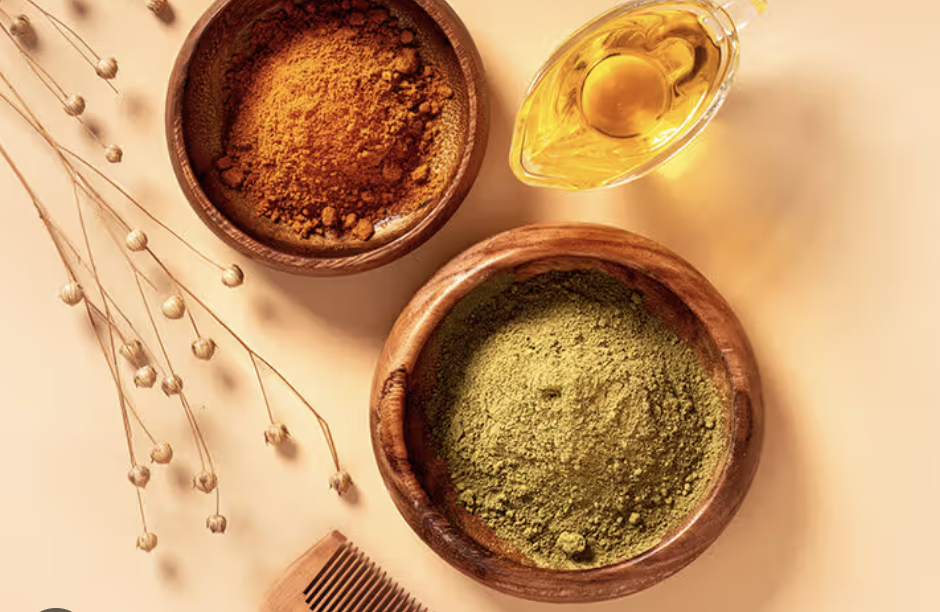
In the world of hair care, many are seeking alternatives to synthetic hair dyes, turning to nature for solutions. Henna powder, a staple in natural hair coloring, comes with several benefits. Alongside, exploring natural hair dye colors offers an array of choices for those interested in healthier, environmentally friendly beauty options.
What is Henna Powder?
Henna powder is derived from the leaves of the Lawsonia inermis plant, commonly known as henna. Traditionally used in various cultures for body art and hair coloring, henna provides a rich, reddish-brown tint when applied. Its natural properties not only color the hair but also strengthen and condition it, making it a popular choice for those seeking an organic hair dye.
Benefits of Using Henna Powder
- Natural Ingredients: Henna is a plant-based product, making it free from harsh chemicals often found in synthetic dyes. This reduces the risk of allergic reactions and damage to the hair and scalp.
- Strengthens Hair: Frequent use of henna can enhance the strength and resilience of hair strands, reducing breakage and promoting overall hair health.
- Adds Shine and Volume: Henna coats each strand, leading to added volume and a noticeable shine.
- Scalp Health: Henna has antimicrobial properties, which can improve scalp health and reduce dandruff.
Natural Hair Dye Colors: A Spectrum from Nature
Beyond henna, other natural ingredients can also be used for hair coloring. These options provide a variety of shades while maintaining the integrity of the hair's health.
Popular Natural Hair Colors
- Indigo: Often used in conjunction with henna to achieve darker shades such as brown or black. It is equally natural and complements henna well.
- Chamomile: Ideal for lightening hair, chamomile can impart a subtle blonde hue, particularly effective on lighter hair colors.
- Amla: Enhances henna’s color and adds a cooling effect, while also adding volume to hair.
- Cassia: Known as “neutral henna,” cassia adds slight golden hues to lighter hair and can condition hair without altering the color significantly.
How to Use Natural Hair Dyes
For those new to natural hair dyes, there are simple steps to follow to ensure effective results and vibrant color:
- Preparation: Start by mixing your chosen powder (e.g., henna, indigo) with water to form a paste. For henna, allow the paste to sit for several hours or overnight for optimal dye release.
- Application: Apply the paste evenly onto clean, damp hair. It’s essential to wear gloves to avoid staining and cover hair with a shower cap to prevent drying.
- Processing Time: Leave the dye on for a significant period, typically ranging from one to four hours depending on the desired intensity and hair thickness.
- **Rinse: Rinse the hair thoroughly with water until it runs clear. Avoid using shampoo immediately after to allow the color to set.
- Aftercare: Moisturize and condition your hair after the dye has set for a couple of days to maintain its softness and shine.
Embracing Natural Hair Care
Making the switch over to organic hair products for hair dye comes with numerous benefits, not just for your hair but also for the environment. Making the choice to switch to plant based dyes ensures your hairs vitality and long term health while still enjoying beautiful and vibrant hair colours. A perfect way of incorporating natural products into your beauty regimen without sacrificing aesthetics.

 English
 Arabic
 Spanish
 Portuguese
 Deutsch
 Turkish
 Dutch
Dutch
 Italiano
 Russian
 Romaian
 Portuguese (Brazil)
 Greek
Greek