


How Real-World Asset Tokenization Is Driving Efficiency in Commercial Property Investments
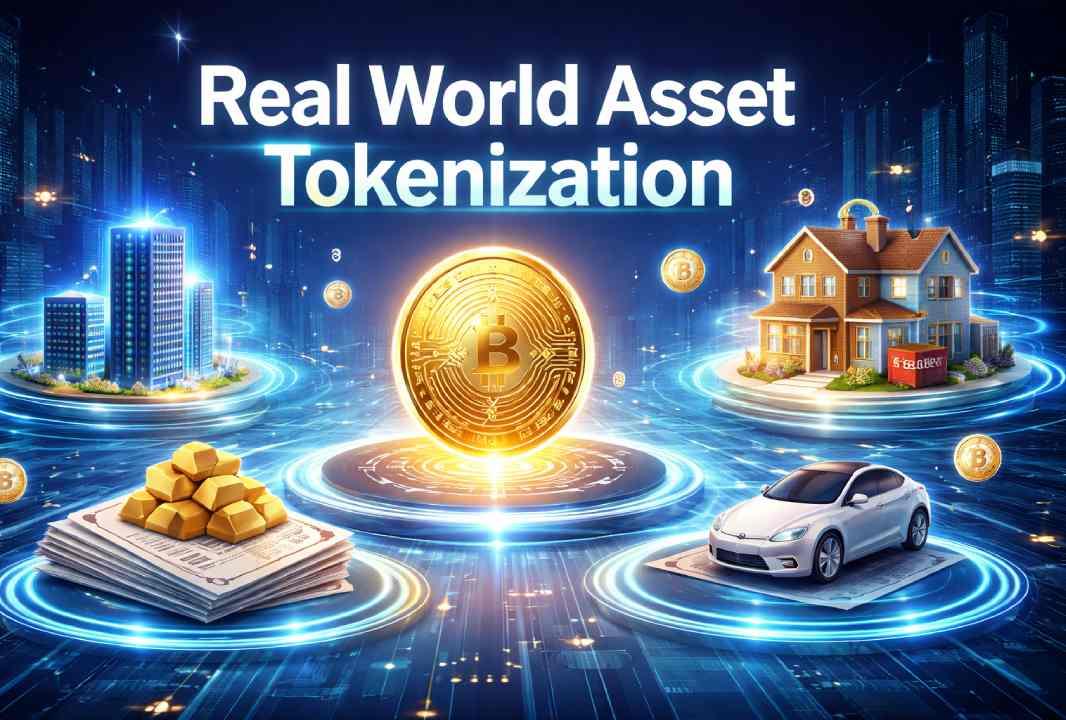
Commercial real estate has long been a cornerstone of institutional portfolios, offering stable income streams and long-term capital appreciation. Yet, beneath its value lies a system often constrained by inefficiencies high entry barriers, illiquidity, complex ownership structures, and slow transaction cycles. Real-World Asset (RWA) tokenization is addressing these structural limitations by transforming how commercial properties are owned, financed, and traded.
This shift toward digitization is not simply about adopting blockchain technology; it is about redesigning the operational and financial mechanics of commercial property investments to achieve greater efficiency, transparency, and accessibility.
Understanding Tokenization in Commercial Real Estate
RWA tokenization involves converting ownership rights of a commercial property such as office buildings, retail complexes, or industrial facilities into digital tokens on a blockchain. These tokens represent fractional ownership in the asset, allowing investors to hold and trade shares without directly managing the physical property.
Instead of relying on traditional paper-based or siloed digital systems, tokenization creates a unified, programmable framework where ownership, transactions, and income distribution are managed through smart contracts.
Eliminating Traditional Inefficiencies in Property Investments
1. Reducing Transaction Complexity
Commercial real estate transactions typically involve multiple intermediaries, including brokers, legal advisors, escrow agents, and financial institutions. Each layer adds time, cost, and complexity. Tokenization streamlines this process by embedding transaction logic into smart contracts. Ownership transfers can occur automatically once predefined conditions are met, reducing reliance on intermediaries and significantly shortening transaction timelines.
2. Accelerating Settlement Cycles
In traditional markets, closing a commercial property deal can take weeks or even months due to due diligence, financing approvals, and regulatory checks. With tokenized assets, settlement can occur almost instantly on blockchain networks. This speed improves capital efficiency, allowing investors and enterprises to redeploy funds more quickly into new opportunities.
3. Enhancing Liquidity in Illiquid Markets
Commercial real estate is inherently illiquid. Selling a property requires finding a buyer willing to commit substantial capital, which can delay transactions and limit flexibility.
Real World Asset Tokenization introduces fractional ownership, enabling properties to be divided into smaller investment units. These units can be traded on secondary markets, transforming commercial real estate into a more liquid asset class.
Fractional Ownership and Capital Accessibility
Lowering Investment Barriers
High capital requirements have traditionally restricted commercial property investments to institutional investors. Tokenization allows individuals and smaller entities to participate by purchasing fractional shares. This democratization expands the investor base, increases demand for commercial assets, and improves capital inflows into the sector.
Portfolio Diversification
Investors can allocate capital across multiple properties instead of concentrating funds in a single asset. This diversification reduces risk and enhances portfolio resilience, particularly in volatile market conditions.
Automation and Operational Efficiency
Smart Contract-Driven Processes
Smart contracts automate key operational functions in commercial property investments, including:
- Rental income distribution
- Profit-sharing mechanisms
- Ownership transfers
- Compliance enforcement
Automation reduces administrative overhead and eliminates manual errors, improving overall efficiency.
Real-Time Income Distribution
Rental income from commercial properties is typically distributed periodically through manual processes. Tokenization enables automated, real-time distribution of income to token holders based on their ownership share. This ensures accuracy, transparency, and timely payments.
Transparency and Data Integrity
Immutable Ownership Records
Blockchain technology maintains a tamper-proof record of all transactions and ownership changes. This creates a single source of truth that can be accessed and verified by stakeholders.
Improved Due Diligence
Investors can access detailed information about property performance, ownership history, and financial metrics in real time. This reduces information asymmetry and enhances decision-making.
Cost Optimization Across Investment Cycles
Lower Administrative Costs
By reducing reliance on intermediaries and automating processes, tokenization minimizes costs associated with:
- Legal documentation
- Brokerage fees
- Property management coordination
Efficient Capital Deployment
Faster transactions and improved liquidity allow investors to deploy capital more effectively, maximizing returns and reducing idle funds.
Globalization of Commercial Property Investments
Cross-Border Investment Opportunities
Tokenized commercial properties can be accessed by investors worldwide, subject to regulatory compliance. This opens up new funding sources for property owners and developers.
Increased Market Participation
A global investor base increases competition and demand for high-quality commercial assets, potentially leading to better pricing and valuation outcomes.
Risk Management and Compliance
Programmable Compliance Frameworks
Tokenized systems can integrate regulatory requirements directly into smart contracts. This ensures that only eligible investors can participate and that transactions comply with applicable laws.
Enhanced Risk Visibility
Real-time data and transparent records allow investors to monitor asset performance and identify risks more effectively. This improves overall risk management strategies.
Use Cases in Commercial Real Estate
Office Spaces
Tokenization enables fractional ownership of large office buildings, allowing investors to benefit from rental income without managing the property.
Retail Complexes
Shopping malls and retail centers can attract a broader investor base through tokenized ownership structures.
Industrial and Logistics Assets
Warehouses and logistics hubs, which play a critical role in supply chains, can leverage tokenization to secure funding and improve liquidity.
Hospitality Assets
Hotels and resorts can be tokenized to distribute ownership among multiple investors while maintaining centralized management.
Challenges to Consider
Regulatory Uncertainty
Commercial property tokenization must comply with securities laws, which vary across jurisdictions. Navigating these frameworks can be complex.
Technology Integration
Integrating blockchain solutions with existing property management and financial systems requires technical expertise and investment.
Market Adoption
While interest is growing, widespread adoption of tokenized commercial real estate is still evolving.
Security Risks
Smart contract vulnerabilities and cyber threats must be addressed through robust security measures and audits.
Future Outlook
The adoption of RWA tokenization in commercial property investments is expected to accelerate as technology matures and regulatory clarity improves. Institutional players are increasingly exploring tokenized structures to enhance efficiency and expand investment opportunities.
Future developments may include:
- Fully digital real estate investment platforms
- Integration with decentralized finance (DeFi) systems
- Enhanced interoperability across blockchain networks
- Real-time global trading of property assets
These advancements will further streamline operations and redefine how commercial properties are financed and managed.
Conclusion
Real-World Asset tokenization is driving significant efficiency gains in commercial property investments by addressing long-standing challenges such as illiquidity, high transaction costs, and limited accessibility. Through fractional ownership, automation, and blockchain transparency, tokenization transforms commercial real estate into a more dynamic and flexible asset class.
As the ecosystem continues to evolve, tokenization is poised to play a central role in modernizing commercial real estate markets, enabling more efficient capital allocation and broader participation across global investors.

 English
 Arabic
 French
 Spanish
 Deutsch
 Turkish
 Dutch
Dutch
 Italiano
 Russian
 Romaian
 Portuguese (Brazil)
 Greek
Greek