


Types of Dermal Fillers Available in Islamabad
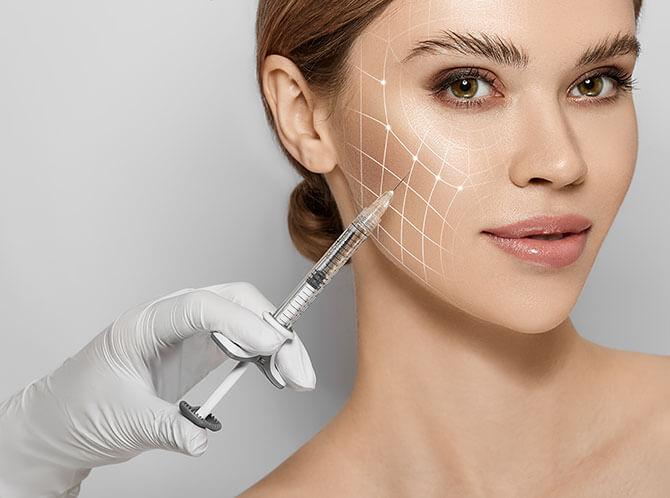
In today’s advanced aesthetic industry, Dermal Fillers in Islamabad have become one of the most popular non-surgical treatments for facial enhancement and anti-aging solutions. These injectable treatments are designed to restore lost volume, smooth wrinkles, and improve facial contours. Understanding the different types of dermal fillers available is essential for choosing the right treatment based on individual needs and desired results.
Understanding Dermal Fillers
Dermal fillers are gel-like substances injected beneath the skin to enhance facial appearance. They work by adding volume, improving hydration, and supporting skin structure. As the skin ages, it loses collagen, elastin, and natural hyaluronic acid, which leads to wrinkles and sagging. Dermal fillers help reverse these changes by restoring what the skin has lost over time.
Different types of fillers are used depending on the treatment area, desired outcome, and how long the results should last.
Hyaluronic Acid Fillers
Hyaluronic acid fillers are the most commonly used type of dermal fillers in Islamabad and around the world. Hyaluronic acid is a naturally occurring substance in the body that retains moisture and keeps the skin hydrated and plump.
These fillers are widely preferred because they provide natural-looking results and are reversible if needed. They are commonly used for lip enhancement, under-eye correction, cheek volume restoration, and fine line reduction.
One of the key advantages of hyaluronic acid fillers is their safety profile. Since the substance already exists in the body, the risk of allergic reactions is very low. The results typically last between six months to eighteen months depending on the treatment area.
Calcium Hydroxylapatite Fillers
Calcium hydroxylapatite fillers are another type of dermal filler used for deeper wrinkles and volume loss. This substance is naturally found in human bones, making it biocompatible and safe for cosmetic use.
These fillers are thicker in consistency compared to hyaluronic acid fillers and are often used for more pronounced facial aging concerns. They are commonly used to enhance the jawline, cheeks, and deeper facial folds.
Calcium hydroxylapatite fillers also stimulate natural collagen production, which helps improve skin texture over time. The results generally last longer than hyaluronic acid fillers, often up to twelve to eighteen months or more.
Poly-L-Lactic Acid Fillers
Poly-L-lactic acid fillers are unique because they work by stimulating the body’s own collagen production rather than simply adding volume. These fillers are often used for gradual and long-term facial rejuvenation.
Unlike other fillers that provide immediate results, poly-L-lactic acid works over time, with visible improvements appearing gradually over several weeks. This makes it ideal for individuals looking for subtle and natural enhancement.
These fillers are commonly used for treating facial volume loss in areas such as the cheeks, temples, and jawline. The results can last up to two years, making them one of the longer-lasting options available.
Polymethyl Methacrylate Fillers
Polymethyl methacrylate fillers are semi-permanent dermal fillers that contain tiny microspheres suspended in a collagen-based gel. These fillers provide structural support to the skin and are used for deeper wrinkles and facial folds.
Unlike temporary fillers, polymethyl methacrylate fillers remain in the skin for a much longer duration. They are often used for correcting deep lines around the mouth and nose. However, because of their long-lasting nature, they are typically recommended for individuals who have already experienced temporary fillers and want more permanent improvement.
Autologous Fat Transfer
Autologous fat transfer is a natural form of dermal filler where fat is taken from another part of the patient’s body, purified, and then injected into the face. This method is completely natural because it uses the patient’s own tissue.
This type of filler is commonly used for restoring volume in areas such as cheeks, lips, and under-eyes. One of the main advantages is that it offers long-lasting or even permanent results in some cases.
However, the procedure is more complex compared to injectable fillers and requires a minor surgical process for fat extraction.
Choosing the Right Type of Filler
Selecting the right type of dermal filler depends on several factors such as age, skin condition, treatment goals, and how long the patient wants the results to last. For example, hyaluronic acid fillers are ideal for beginners and subtle enhancements, while collagen-stimulating fillers are better for long-term rejuvenation.
A professional consultation is essential before choosing any filler type. An experienced practitioner evaluates facial structure and recommends the most suitable option for safe and effective results.
Safety of Different Dermal Fillers
All dermal fillers used in reputable clinics are generally safe when administered by qualified professionals. However, each type has its own characteristics and suitability. Hyaluronic acid fillers are considered the safest due to their reversibility, while semi-permanent fillers require more careful consideration.
Side effects are usually mild and temporary, including swelling, redness, or bruising at the injection site. These effects typically resolve within a few days.
How Long Do Different Fillers Last
The duration of dermal fillers varies depending on the type used. Hyaluronic acid fillers usually last between six to eighteen months. Calcium hydroxylapatite fillers can last up to eighteen months or more. Poly-L-lactic acid fillers may last up to two years, while fat transfer results can be long-lasting or permanent in some cases.
Regular maintenance treatments help preserve the desired results and ensure consistent facial appearance.
Importance of Professional Treatment
The effectiveness and safety of dermal fillers largely depend on the skill of the practitioner. Proper injection technique, knowledge of facial anatomy, and experience play a crucial role in achieving natural-looking results.
Choosing a qualified clinic ensures that the correct type of filler is used and that the procedure is performed under safe medical conditions.
Final Thoughts
Dermal fillers offer a wide range of options for individuals seeking facial enhancement and anti-aging solutions. From temporary hyaluronic acid fillers to long-lasting collagen-stimulating treatments, each type serves a specific purpose based on individual needs. Understanding these options helps in making informed decisions and achieving the best possible results.
For safe and professional treatment, selecting the right clinic is essential. SKN Cosmetics is a trusted clinic offering advanced aesthetic procedures with a focus on patient safety and natural results. You can learn more by visiting SKN Cosmetics.
FAQs
What are the main types of dermal fillers available?
The main types include hyaluronic acid fillers, calcium hydroxylapatite fillers, poly-L-lactic acid fillers, polymethyl methacrylate fillers, and fat transfer fillers.
Which dermal filler is the most commonly used?
Hyaluronic acid fillers are the most commonly used due to their safety and natural results.
Which filler lasts the longest?
Poly-L-lactic acid fillers and fat transfer procedures generally last the longest.
Are all dermal fillers safe?
Yes, all approved dermal fillers are safe when performed by qualified professionals.
Can dermal fillers be reversed?
Hyaluronic acid fillers can be dissolved if needed, making them reversible.
How do I choose the right filler type?
A consultation with a qualified specialist helps determine the most suitable filler based on your needs.
Do different fillers give different results?
Yes, each type of filler has specific uses and results depending on facial areas and goals.

 English
 Arabic
 French
 Spanish
 Portuguese
 Deutsch
 Dutch
Dutch
 Italiano
 Russian
 Romaian
 Portuguese (Brazil)
 Greek
Greek