


GPS Tracker Bug Sweep: A Complete Guide to Finding and Removing Hidden Tracking Devices
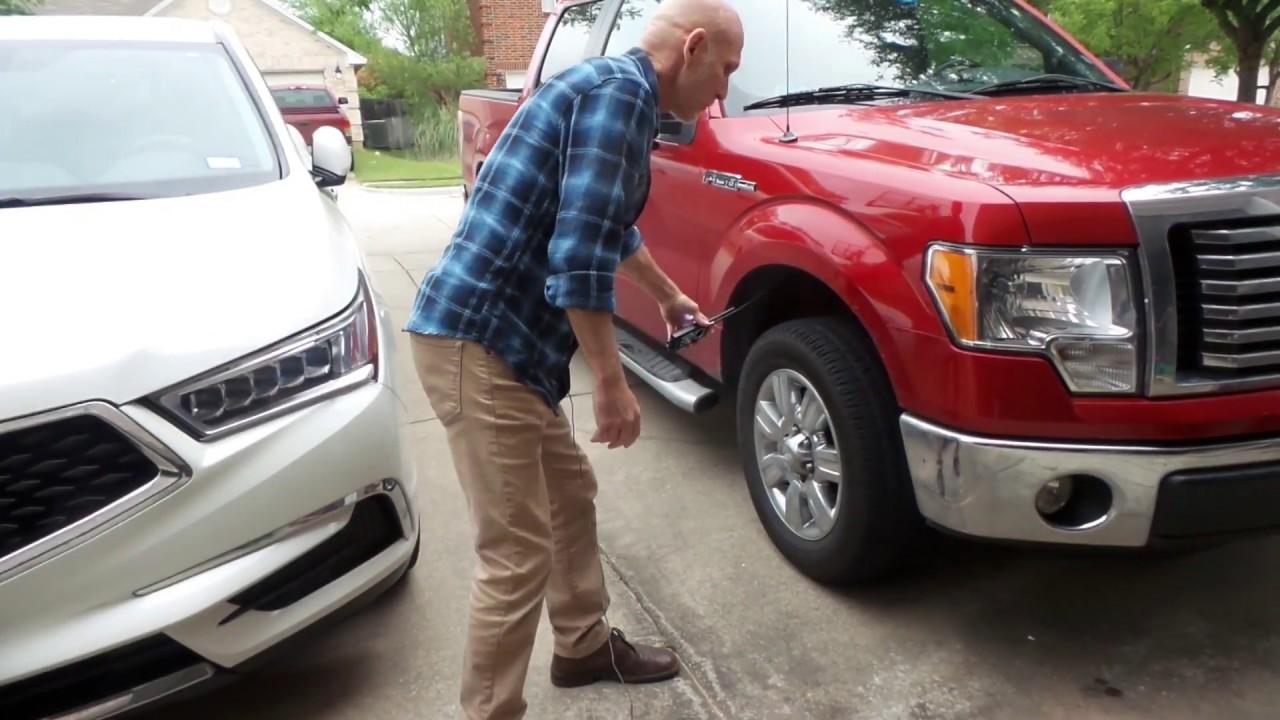
Privacy is not just a luxury anymore. It is a basic necessity. With modern tracking technology becoming smaller and more affordable, hidden GPS devices are easier to install and harder to detect than ever before. Whether you are concerned about personal safety, business security, or vehicle monitoring, understanding how a gps tracker bug sweep works can help you stay protected.
This guide explains what a sweep involves, who needs it, how professionals detect hidden trackers, and what you can expect from the process.
What Is a GPS Tracker Bug Sweep?
A gps tracker bug sweep is a professional inspection process designed to locate hidden GPS tracking devices inside vehicles, offices, homes, or other personal property. These devices are often small, battery-powered, and magnetically attached, making them difficult to spot with a casual search.
A sweep combines physical inspection with electronic detection tools. Specialists use advanced equipment to scan for radio frequencies, unusual signals, and suspicious wiring. The goal is simple: identify and remove unauthorized tracking devices before they compromise your privacy.
Why GPS Tracking Is a Growing Concern
Technology has made GPS trackers smaller, cheaper, and more powerful. While they are commonly used for legitimate purposes such as fleet management and asset tracking, they can also be misused.
Common reasons people request a sweep include:
- Suspicion of stalking or harassment
- Divorce or custody disputes
- Corporate espionage concerns
- Vehicle tampering suspicions
- Personal safety threats
Because many GPS trackers transmit data intermittently to avoid detection, finding them requires technical knowledge and the right tools.
Signs You Might Need a GPS Tracker Bug Sweep
Most tracking devices are silent and invisible. However, there are warning signs that may indicate a problem:
1. Unusual Vehicle Activity
If your vehicle battery drains faster than normal, it may be due to an attached tracking device. While this is not always the cause, it is worth investigating.
2. Strange Noises or Interference
Some tracking devices emit faint clicking or buzzing sounds. Radio interference inside your car could also indicate electronic activity.
3. Suspicious Behavior From Others
If someone seems to know your exact location without explanation, it may be a sign of unauthorized tracking.
4. Physical Suspicion
Small magnetic boxes attached under wheel wells, bumpers, or beneath seats are common hiding spots.
If you suspect anything unusual, a professional gps tracker bug sweep provides clarity and peace of mind.
How Professionals Conduct a GPS Tracker Bug Sweep
A proper sweep is not just a quick visual check. It follows a structured process designed to uncover even well-hidden devices.
Step 1: Initial Consultation
The specialist gathers information about your concerns. They may ask about recent conflicts, suspicious incidents, or vehicle issues.
Step 2: Physical Inspection
Technicians inspect common hiding spots, including:
- Under the vehicle chassis
- Inside bumpers
- Beneath seats and dashboards
- Inside glove compartments
- Engine bay areas
They look for magnetic attachments, unfamiliar wiring, or modified panels.
Step 3: Electronic Signal Detection
This is the most technical part of a gps tracker bug sweep. Professionals use:
- RF (radio frequency) detectors
- Non-linear junction detectors
- Spectrum analyzers
- Thermal imaging tools
These devices identify active transmissions and hidden electronics, even if the tracker is powered off but still contains circuitry.
Step 4: Removal and Documentation
If a device is found, it is carefully removed and documented. In legal cases, evidence handling procedures are followed to maintain admissibility in court.
Common Places Where GPS Trackers Are Hidden
Trackers are designed to be discreet. The most common hiding spots include:
Under the Vehicle
This is the easiest and most popular location. Magnetic GPS trackers can be attached within seconds.
Inside the Dashboard
Some trackers are wired into the vehicle’s electrical system for continuous power.
Wheel Wells and Bumpers
These areas are hard to see without lifting the vehicle.
Inside Personal Belongings
In some cases, trackers are hidden in bags, briefcases, or equipment cases.
Because hiding techniques vary, a trained technician performing a gps tracker bug sweep knows exactly where to look.
Who Should Consider a GPS Tracker Bug Sweep?
Not everyone needs a sweep, but certain situations increase risk.
Individuals Facing Harassment
If you are dealing with stalking or threatening behavior, taking proactive security steps is essential.
Business Owners
Companies handling sensitive information may require periodic sweeps to prevent corporate spying.
High-Profile Individuals
Executives, politicians, and public figures often use professional security services to protect their movements.
Divorce or Custody Disputes
Unfortunately, tracking during legal conflicts is not uncommon.
Even if nothing is found, a gps tracker bug sweep provides reassurance and removes doubt.
Can You Detect GPS Trackers Yourself?
There are consumer-grade detection tools available online. However, these devices have limitations.
DIY detection challenges include:
- Trackers that only transmit occasionally
- Devices operating on uncommon frequencies
- Hardwired trackers with no battery signature
- Inactive devices that activate later
Without professional-grade equipment and experience, it is easy to miss well-hidden trackers.
For serious concerns, relying on trained experts is usually the safer option.
Legal Considerations Around GPS Tracking
Laws regarding GPS tracking vary depending on location. In many jurisdictions:
- Installing a tracker on someone else's vehicle without consent is illegal.
- Law enforcement requires a warrant in most cases.
- Employers must disclose tracking in company vehicles.
If you discover a tracker, consult legal professionals before taking action. Evidence handling matters, especially if legal proceedings are involved.
How Often Should You Conduct a GPS Tracker Bug Sweep?
There is no universal rule. Frequency depends on risk level.
- High-risk individuals: quarterly or bi-annual sweeps
- Corporate environments: scheduled security audits
- Personal concerns: one-time inspection when suspicious
For businesses, regular inspections are part of broader security protocols.
Choosing the Right Professional Service
If you decide to hire a specialist, look for:
- Proven experience in electronic counter-surveillance
- Transparent pricing
- Confidentiality agreements
- Proper equipment and certifications
- Clear reporting process
Avoid services that promise instant results without a proper inspection. A legitimate gps tracker bug sweep takes time and careful analysis.
What to Do If a Tracker Is Found
Finding a hidden tracking device can be alarming. Stay calm and follow these steps:
- Do not tamper with it unnecessarily.
- Document its location with photos.
- Contact legal authorities if needed.
- Seek legal advice before confronting anyone.
Handling the situation properly ensures your safety and protects your rights.
Protecting Yourself Moving Forward
After a sweep, consider preventive measures:
- Install tamper-proof vehicle covers
- Park in secure, well-lit areas
- Use surveillance cameras at home
- Conduct periodic inspections
- Limit sharing of your real-time location online
Security is not about paranoia. It is about awareness and prevention.
Final Thoughts
Hidden tracking technology is more accessible than ever. While many GPS devices serve legitimate purposes, unauthorized tracking poses serious privacy and safety risks.
A professional gps tracker bug sweep provides a structured, thorough way to detect and remove hidden devices. Whether you are facing a personal concern or safeguarding business assets, taking action early can prevent larger problems later.
Privacy is worth protecting. If you suspect something is wrong, trust your instincts and seek expert help.

 English
 Arabic
 French
 Portuguese
 Deutsch
 Turkish
 Dutch
Dutch
 Italiano
 Russian
 Romaian
 Portuguese (Brazil)
 Greek
Greek