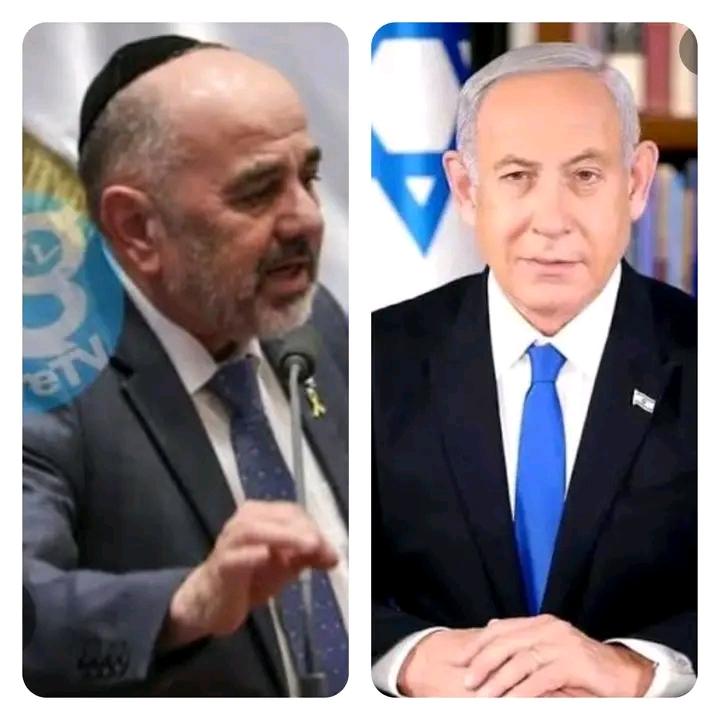



• I asked Grok:

    Did the Israeli Parliament recently hold a debate about Biafra?

    Grok: Yes, the Israeli parliament (the Knesset) did hold a debate on Biafra. This occurred on February 18, 2026, in a session described as historic and the first formal high-level parliamentary discussion on the topic in decades (some reports claim the first in 50–56 years). The debate focused on the humanitarian situation in the Biafran region (southeastern Nigeria, primarily involving the Igbo people), allegations of ongoing suffering, persecution, killings, and calls for international intervention. It also touched on the imprisonment of IPOB leader Nnamdi Kanu and broader self-determination issues.

    Key details from reports:
    MK Ya'akov Margi (from the Shas party) initiated or led the discussion, passionately comparing the Igbo suffering to the Jewish Holocaust. He cited estimates of up to six million Igbo lives lost since 1967 (referencing the 1967–1970 Nigerian Civil War/Biafran War and subsequent events) and urged Israel to raise the issue in international forums, invoking a "Jewish conscience" against perceived double standards.
    Lawmakers reportedly called on Israeli Prime Minister Netanyahu (and even U.S. figures like Trump) to intervene, framing it as a humanitarian obligation.

    There were mentions of a Deputy Minister of Foreign Affairs suggesting a committee to examine the Biafra situation.
    The discussion highlighted historical parallels, including shared history claims between Israel and Biafra/Igbo people (some Igbo groups identify with Jewish heritage).

    This has been widely shared and amplified in pro-Biafra circles, on platforms like Facebook, X (Twitter), and YouTube channels focused on Biafran advocacy (e.g., IgbereTV, Radio Biafra Live, and others). It sparked calls for global attention to the Biafran cause.

    Historically, the Knesset also debated the Biafran situation during the 1967–1970 war, focusing on whether it constituted genocide and humanitarian aid needs, with sympathy expressed but no major intervention due to diplomatic ties with Nigeria. The recent 2026 event appears to be a renewed push amid ongoing activism.
    I asked Grok: 👇 Did the Israeli Parliament recently hold a debate about Biafra? Grok: Yes, the Israeli parliament (the Knesset) did hold a debate on Biafra. This occurred on February 18, 2026, in a session described as historic and the first formal high-level parliamentary discussion on the topic in decades (some reports claim the first in 50–56 years). The debate focused on the humanitarian situation in the Biafran region (southeastern Nigeria, primarily involving the Igbo people), allegations of ongoing suffering, persecution, killings, and calls for international intervention. It also touched on the imprisonment of IPOB leader Nnamdi Kanu and broader self-determination issues. Key details from reports: MK Ya'akov Margi (from the Shas party) initiated or led the discussion, passionately comparing the Igbo suffering to the Jewish Holocaust. He cited estimates of up to six million Igbo lives lost since 1967 (referencing the 1967–1970 Nigerian Civil War/Biafran War and subsequent events) and urged Israel to raise the issue in international forums, invoking a "Jewish conscience" against perceived double standards. Lawmakers reportedly called on Israeli Prime Minister Netanyahu (and even U.S. figures like Trump) to intervene, framing it as a humanitarian obligation. There were mentions of a Deputy Minister of Foreign Affairs suggesting a committee to examine the Biafra situation. The discussion highlighted historical parallels, including shared history claims between Israel and Biafra/Igbo people (some Igbo groups identify with Jewish heritage). This has been widely shared and amplified in pro-Biafra circles, on platforms like Facebook, X (Twitter), and YouTube channels focused on Biafran advocacy (e.g., IgbereTV, Radio Biafra Live, and others). It sparked calls for global attention to the Biafran cause. Historically, the Knesset also debated the Biafran situation during the 1967–1970 war, focusing on whether it constituted genocide and humanitarian aid needs, with sympathy expressed but no major intervention due to diplomatic ties with Nigeria. The recent 2026 event appears to be a renewed push amid ongoing activism.
    0 Commenti 0 condivisioni 223 Views 0 Anteprima
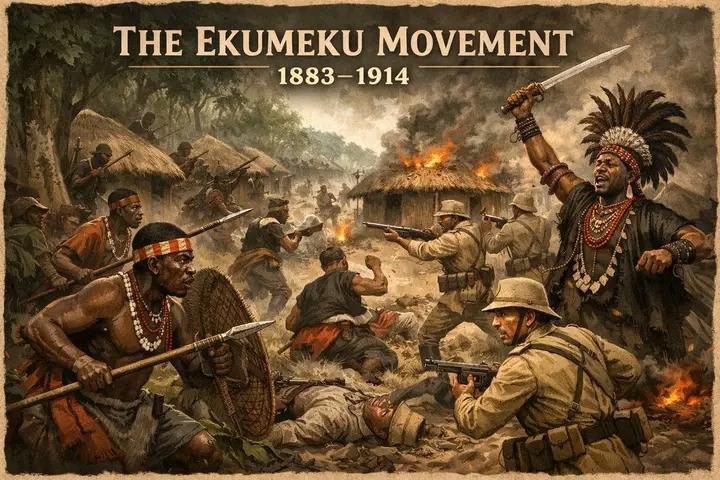
  • The Ekumeku Movement (1883–1914)

    The Ekumeku Movement was a prolonged anti-colonial resistance in western Igboland against British expansion in the late 19th and early 20th centuries.

    It is one of the longest organized armed resistances to British rule in what later became Nigeria.

    #Where It Happened

    The movement occurred mainly in present-day:

    Asaba
    Ogwuashi-Ukwu
    Ibusa
    Issele-Ukwu

    These areas are inhabited by the Anioma Igbo (western Igbo).

    What “Ekumeku” Means

    “Ekumeku” referred to a secret, coordinated resistance network rather than a single army.

    It operated like a guerrilla movement:

    Surprise attacks
    Night raids
    Destruction of colonial installations
    Strategic retreats
    Leadership was decentralized, reflecting Igbo political structure.

    Why It Started

    In the 1880s–1890s, British commercial and political influence expanded inland through the Royal Niger Company.

    The British attempted to:

    Impose taxation
    Control trade routes
    Undermine traditional authority
    Establish colonial courts

    Western Igbo communities saw this as economic and political domination.

    #Major Phases of the Conflict

    1️⃣ Early Resistance (1883–1898)

    Communities resisted foreign trade control and interference in local governance.

    2️⃣ Intensified Warfare (1898–1906)

    After Britain formally declared the Protectorate of Southern Nigeria, military campaigns increased.

    British expeditions used:
    Maxim guns
    Organized regiments
    Scorched-earth tactics

    3️⃣ Final Suppression (1906–1914)

    Villages were bombarded and leaders arrested or executed.

    By 1914 (the year Nigeria was amalgamated), organized Ekumeku resistance had largely been crushed.

    #Why This History Matters

    The Ekumeku Movement shows:

    Igbo resistance to colonialism was organized and sustained.
    Western Igbo communities were politically coordinated despite lacking a centralized kingdom.
    Colonial conquest in Igboland required repeated military campaigns, not peaceful treaties.

    It also challenges the stereotype that Igbo societies did not conduct long-term unified resistance.

    #Long-Term Impact

    Many communities were economically weakened.
    Colonial rule became firmly established.
    Oral traditions in Anioma still preserve Ekumeku heroes.

    Today, the term “Ekumeku” remains a symbol of Igbo resilience and resistance.

    -- Bright Enyinnaya
    The Ekumeku Movement (1883–1914) The Ekumeku Movement was a prolonged anti-colonial resistance in western Igboland against British expansion in the late 19th and early 20th centuries. It is one of the longest organized armed resistances to British rule in what later became Nigeria. #Where It Happened The movement occurred mainly in present-day: Asaba Ogwuashi-Ukwu Ibusa Issele-Ukwu These areas are inhabited by the Anioma Igbo (western Igbo). What “Ekumeku” Means “Ekumeku” referred to a secret, coordinated resistance network rather than a single army. It operated like a guerrilla movement: Surprise attacks Night raids Destruction of colonial installations Strategic retreats Leadership was decentralized, reflecting Igbo political structure. Why It Started In the 1880s–1890s, British commercial and political influence expanded inland through the Royal Niger Company. The British attempted to: Impose taxation Control trade routes Undermine traditional authority Establish colonial courts Western Igbo communities saw this as economic and political domination. #Major Phases of the Conflict 1️⃣ Early Resistance (1883–1898) Communities resisted foreign trade control and interference in local governance. 2️⃣ Intensified Warfare (1898–1906) After Britain formally declared the Protectorate of Southern Nigeria, military campaigns increased. British expeditions used: Maxim guns Organized regiments Scorched-earth tactics 3️⃣ Final Suppression (1906–1914) Villages were bombarded and leaders arrested or executed. By 1914 (the year Nigeria was amalgamated), organized Ekumeku resistance had largely been crushed. #Why This History Matters The Ekumeku Movement shows: Igbo resistance to colonialism was organized and sustained. Western Igbo communities were politically coordinated despite lacking a centralized kingdom. Colonial conquest in Igboland required repeated military campaigns, not peaceful treaties. It also challenges the stereotype that Igbo societies did not conduct long-term unified resistance. #Long-Term Impact Many communities were economically weakened. Colonial rule became firmly established. Oral traditions in Anioma still preserve Ekumeku heroes. Today, the term “Ekumeku” remains a symbol of Igbo resilience and resistance. -- Bright Enyinnaya ✍️
    0 Commenti 0 condivisioni 416 Views 0 Anteprima
  • Meet Ghanaian Born JAPAN's Goalkeeper, Zion Suzuki Expected To Shine At 2026 FIFA WORLD CUP

    Zion Suzuki is the current primary goalkeeper for the Japan national football team (Samurai Blue)
    He plays club football for Parma in Serie A (Italy).

    Born in 2002 in the United States to a Ghanaian father and Japanese mother, he represents Japan internationally.

    He has earned over 20 caps for the senior team (as of recent records around 21 caps with no goals conceded in those appearances tracked).

    Following the retirement of longtime goalkeeper Shūichi Gonda (around 2022), Zion Suzuki has established himself as the front-runner and main starter,
    especially heading into preparations for the 2026 FIFA World Cup (where Japan has already qualified as one of the top Asian sides).

    He is the among some African descendants who has represented Japan in major tournaments, others are Leo Kokubo (or Leobrian Kokubo, Goalkeeper) — Nigerian father, Japanese mother. He has represented Japan at senior levels and was notably part of the 2024 Paris Olympics squad.

    Joel Chima Fujita (Midfielder) — Nigerian father, Japanese mother. A defensive midfielder who has featured for Japan, including at the Olympics and youth internationals; he captains or has captained youth sides.
    Meet Ghanaian Born JAPAN's Goalkeeper, Zion Suzuki Expected To Shine At 2026 FIFA WORLD CUP Zion Suzuki is the current primary goalkeeper for the Japan national football team (Samurai Blue) He plays club football for Parma in Serie A (Italy). Born in 2002 in the United States to a Ghanaian father and Japanese mother, he represents Japan internationally. He has earned over 20 caps for the senior team (as of recent records around 21 caps with no goals conceded in those appearances tracked). Following the retirement of longtime goalkeeper Shūichi Gonda (around 2022), Zion Suzuki has established himself as the front-runner and main starter, especially heading into preparations for the 2026 FIFA World Cup (where Japan has already qualified as one of the top Asian sides). He is the among some African descendants who has represented Japan in major tournaments, others are Leo Kokubo (or Leobrian Kokubo, Goalkeeper) — Nigerian father, Japanese mother. He has represented Japan at senior levels and was notably part of the 2024 Paris Olympics squad. Joel Chima Fujita (Midfielder) — Nigerian father, Japanese mother. A defensive midfielder who has featured for Japan, including at the Olympics and youth internationals; he captains or has captained youth sides.
    0 Commenti 0 condivisioni 325 Views 0 Anteprima
001Davido https://001davido.com