• The Ancient Ìgbò in their communion with the Supreme Being, had a ritual which was the final and absolute plea to Chukwu Okike, to turn things around in their favor.

    This ritual was called Ịsalu Enu Aka, according to Professor Anenechukwu Umeh. It literally means "to raise and show one's hand (palms) towards the sky (Enu/Igwe). But spiritually, it is the highest Aja (sacrifice) a man/woman can offer to Okike - an offering of one's soul to be weighed against one's life as recorded by mother nature (Okike).

    For me, It was a ritual that required no words or incantations. All it required was for a man/woman to raise and show their palms with courage and sincerity of heart.

    This Ịsalu Enu Aka was the Ìgbò way of presenting one's self to judgment to Chukwu Okike (Olisa Ebili Uwa, Obasi dị n'enu, the creator/creation/nature).

    It was a silent prayer, but was most powerful; as your deeds (good and bad) are read by your Chi, Agwụ, Ndị Ịchie, and Ora mmụọ, and presented to Ala, which then scores your present life's deeds, and passes you to the summation of Chukwu Okike to be blessed with your heart desires, or to be kept in line till you are deserving of what you ask of Okike.

    Ịsalu Enu Aka is one ritual in which only the upright amongst us can dare to partake in, for no man who soils his hands and offends Okike can raise his hands to Enu to seek immediate judgment and answers to one's petitions.

    This aspect of Ìgbò spirituality, although it is hardly taught, points to the validity and importance of Nsọ (Holiness and uprightness) in Ìgbò Odinala na Omenala. For indeed it is only a man who has kept the four arms of Nsọ and is without blemish (or sin) that can raise his palms to Enu (Anyanwụ na Igwe) to be judged and to be helped instantly.

    So Ụmụ nnem, as we journey back to our Ìgbò roots and the very spirituality that made our ancestors sages, let us do our best to keep Nsọ Ala, and be upright in our dealings with others. So that one day when we will need the urgent intervention of Okike in our lives Or when we die and are ready to join Ndị ịchie, we will be confident enough to raise our palms without our Chi first judging us, and condemning us.

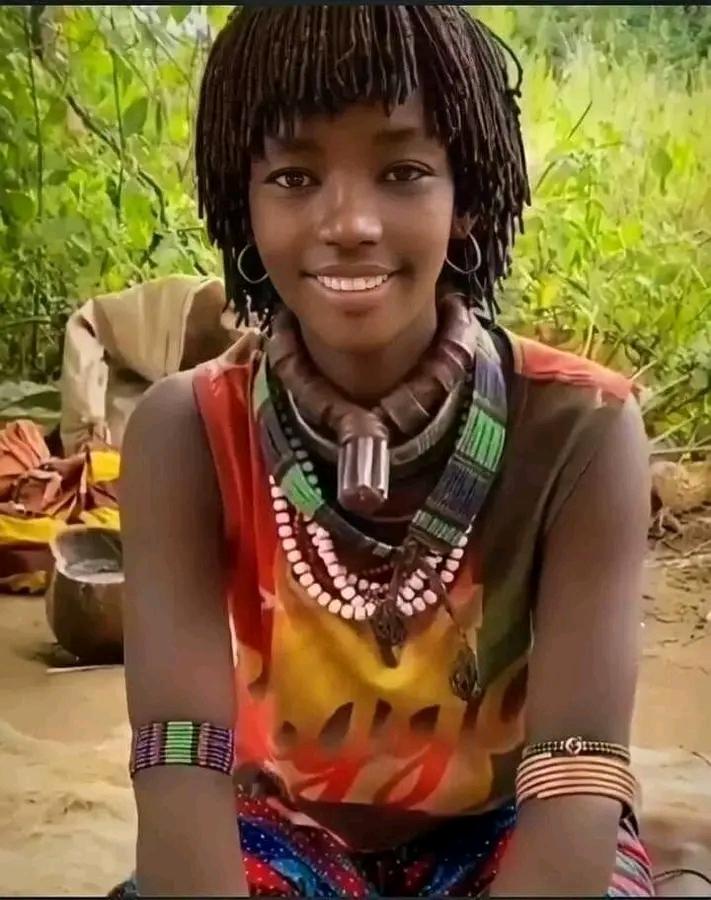
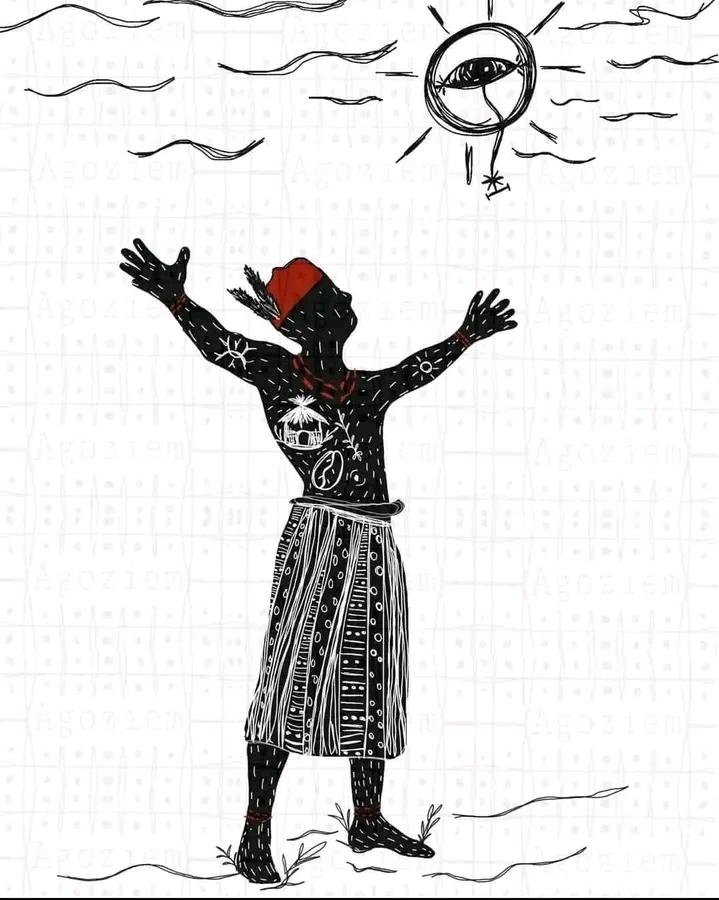
    And now, to why I used this image for my little piece on Ịsalu Enu Aka.

    This deeply mystical art by our gifted sister Chiagoziem Nneamaka Orji caught my attention, and in a matter of seconds my mind was thrown back to this divine ritual of Ịsalu Enu Aka, as was mentioned by Professor Anenechukwu Umeh in his book "After God Is Dibia." Smiles filled the face of munwa bụ Chuka Nduneseokwu, and a deep feeling of joy gripped me because in a split second Agwụ connected the dots between what had been revealed to her in this art, what Professor Umeh wrote about the ancient Ìgbò Ịsalu Enu Aka many years ago, and the interpretations of his description of the ritual revealed to me in my quiet times, lost in thoughts of what Okike was to us Ndị Ìgbò.

    Today, I Chuka Nduneseokwu make bold to say that Agwụ is interconnected and unending in revelation. All of us are tapping from the same source of infinite wisdom and intelligence. Only if we pay attention to the universe around us, we will find the answers we seek in the dreams, trances, songs, art, poems, writings, prophecies, and intuitions of others - man, animals, and trees,. Plants, and celestial bodies alike.

    Dear Onye Agwụ, may you always find your path, and identify the dots that are being connected for you through the gifts of others.

    Dear Onye Ìgbò, may you keep Nsọ, so that you will be among those who can raise their palms in utmost supplication to Okike, even while in this mortal reality - as Onye Uwaa.

    Dalụ nụ.

    ~ Written By Chuka Nduneseokwu, a Dibịa, Odinala Igbo Researcher, African Revolutionary, and Ìgbò Philosopher.
    The Ancient Ìgbò in their communion with the Supreme Being, had a ritual which was the final and absolute plea to Chukwu Okike, to turn things around in their favor. This ritual was called Ịsalu Enu Aka, according to Professor Anenechukwu Umeh. It literally means "to raise and show one's hand (palms) towards the sky (Enu/Igwe). But spiritually, it is the highest Aja (sacrifice) a man/woman can offer to Okike - an offering of one's soul to be weighed against one's life as recorded by mother nature (Okike). For me, It was a ritual that required no words or incantations. All it required was for a man/woman to raise and show their palms with courage and sincerity of heart. This Ịsalu Enu Aka was the Ìgbò way of presenting one's self to judgment to Chukwu Okike (Olisa Ebili Uwa, Obasi dị n'enu, the creator/creation/nature). It was a silent prayer, but was most powerful; as your deeds (good and bad) are read by your Chi, Agwụ, Ndị Ịchie, and Ora mmụọ, and presented to Ala, which then scores your present life's deeds, and passes you to the summation of Chukwu Okike to be blessed with your heart desires, or to be kept in line till you are deserving of what you ask of Okike. Ịsalu Enu Aka is one ritual in which only the upright amongst us can dare to partake in, for no man who soils his hands and offends Okike can raise his hands to Enu to seek immediate judgment and answers to one's petitions. This aspect of Ìgbò spirituality, although it is hardly taught, points to the validity and importance of Nsọ (Holiness and uprightness) in Ìgbò Odinala na Omenala. For indeed it is only a man who has kept the four arms of Nsọ and is without blemish (or sin) that can raise his palms to Enu (Anyanwụ na Igwe) to be judged and to be helped instantly. So Ụmụ nnem, as we journey back to our Ìgbò roots and the very spirituality that made our ancestors sages, let us do our best to keep Nsọ Ala, and be upright in our dealings with others. So that one day when we will need the urgent intervention of Okike in our lives Or when we die and are ready to join Ndị ịchie, we will be confident enough to raise our palms without our Chi first judging us, and condemning us. And now, to why I used this image for my little piece on Ịsalu Enu Aka. This deeply mystical art by our gifted sister Chiagoziem Nneamaka Orji caught my attention, and in a matter of seconds my mind was thrown back to this divine ritual of Ịsalu Enu Aka, as was mentioned by Professor Anenechukwu Umeh in his book "After God Is Dibia." Smiles filled the face of munwa bụ Chuka Nduneseokwu, and a deep feeling of joy gripped me because in a split second Agwụ connected the dots between what had been revealed to her in this art, what Professor Umeh wrote about the ancient Ìgbò Ịsalu Enu Aka many years ago, and the interpretations of his description of the ritual revealed to me in my quiet times, lost in thoughts of what Okike was to us Ndị Ìgbò. Today, I Chuka Nduneseokwu make bold to say that Agwụ is interconnected and unending in revelation. All of us are tapping from the same source of infinite wisdom and intelligence. Only if we pay attention to the universe around us, we will find the answers we seek in the dreams, trances, songs, art, poems, writings, prophecies, and intuitions of others - man, animals, and trees,. Plants, and celestial bodies alike. Dear Onye Agwụ, may you always find your path, and identify the dots that are being connected for you through the gifts of others. Dear Onye Ìgbò, may you keep Nsọ, so that you will be among those who can raise their palms in utmost supplication to Okike, even while in this mortal reality - as Onye Uwaa. Dalụ nụ. ~ Written By Chuka Nduneseokwu, a Dibịa, Odinala Igbo Researcher, African Revolutionary, and Ìgbò Philosopher.
    0 Comments ·0 Shares ·827 Views ·0 Reviews
  • VALUE OF THE BIAFRAN POUND

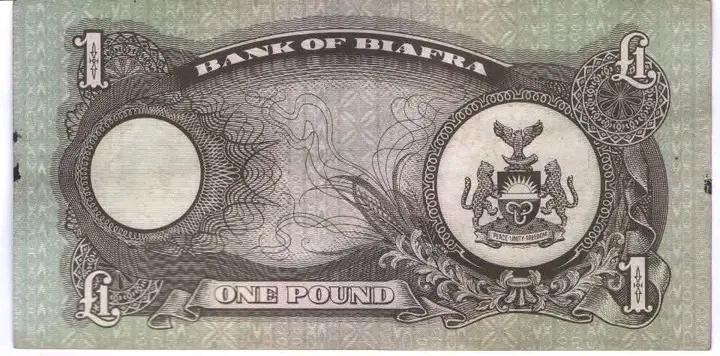
    During the short-lived Republic of Biafra (1967–1970), the Biafran pound (B₤) was introduced to replace the Nigerian pound in the secessi0nist territ0ry.
    At introduction in 1967, the Biafran pound was set at par with the Nigerian pound, meaning:
    1 Biafran pound ≈ 1 Nigerian pound.
    As the Nigerian Civil W@r progressed, the Biafran pound rapidly devalued due to inflation, blockade-induced scarcity, and the collapse of Biafra’s economy.
    By 1969–1970, the Biafran pound had lost significant value, and in practice, barter and foreign currencies became more common than Biafran banknotes.
    After Biafra’s defeat in January 1970, the currency was demonetized, and the Nigerian pound was restored as legal tender.

    So, while initially it was 1:1 with the Nigerian pound, wartime conditions made its real purchasing power drop drastically by the end of the conflict.

    #history
    Blackhistory
    VALUE OF THE BIAFRAN POUND During the short-lived Republic of Biafra (1967–1970), the Biafran pound (B₤) was introduced to replace the Nigerian pound in the secessi0nist territ0ry. At introduction in 1967, the Biafran pound was set at par with the Nigerian pound, meaning: 1 Biafran pound ≈ 1 Nigerian pound. As the Nigerian Civil W@r progressed, the Biafran pound rapidly devalued due to inflation, blockade-induced scarcity, and the collapse of Biafra’s economy. By 1969–1970, the Biafran pound had lost significant value, and in practice, barter and foreign currencies became more common than Biafran banknotes. After Biafra’s defeat in January 1970, the currency was demonetized, and the Nigerian pound was restored as legal tender. So, while initially it was 1:1 with the Nigerian pound, wartime conditions made its real purchasing power drop drastically by the end of the conflict. #history Blackhistory
    0 Comments ·0 Shares ·606 Views ·0 Reviews
  • Commando: Nigeria’s Fiercest Fighting Unit of the Civil War

    During the Nigerian Civil War (1967–1970), many military units fought bravely, but few earned a reputation as legendary, and sometimes feared, as the 3rd Marine Commando (3MCDO). Stationed in the Niger Delta and commanded first by Brigadier Benjamin Adekunle, later by Colonel Olusegun Obasanjo, this unit became one of the most decisive forces that changed the tide of the war. Yet behind the public stories of victories lies a lesser-known, deeply human tale of sacrifice, bravery, and the brutal realities of jungle warfare.

    The 3rd Marine Commando was formed specifically to fight under some of the toughest conditions of the conflict, creeks, mangrove swamps, flooded forests, and unpredictable waterways. Soldiers in this unit fought in harsh terrains where vehicles could not move, and the only safe transport was through narrow boats paddled silently at night. Many of these men could not swim, yet they went into water battles day after day because their mission demanded it. Their courage was built not on comfort, but on pure survival instincts and fierce loyalty to one another.

    One of the untold stories about this unit was how they survived on improvised food and supplies, often going days without standard rations. Soldiers roasted yam over firewood, caught fish with bare hands, drank from the same waters they fought in, and used palm fronts as bedding. Malaria, snake bites, and infections killed almost as many men as bullets. Still, they pushed forward, because every creek captured meant a lifeline cut off from the Biafran forces.

    During the intense battles to secure Bonny Island and later Calabar, the unit earned the nickname “the Amphibians” because of their ability to strike unexpectedly from water routes. One officer once described how they moved: “We fought like shadows. No one heard us coming. No one saw us leave.” They mastered silent paddling, coded whistles, and night maneuvers that confused the enemy. Their operations became a combination of traditional warfare and guerrilla tactics unique to the riverine geography.

    However, the untold part of their story also includes deep emotional scars. Many soldiers carried the burden of watching their comrades disappear beneath water, bodies never recovered. Others lived with memories of villages burned, families displaced, and the terrible responsibility of fighting in populated riverine communities. What made their story remarkable was not just their bravery, but the quiet grief they bore long after the war ended, grief that many never shared until old age.

    When Obasanjo took over command in 1969, he reorganized the unit, bringing structure to a group exhausted by years of grit. Under his leadership, the 3rd Marine Commando executed Operation Tail-Wind, the final operation that captured Owerri and effectively ended the civil war. But even in victory, many soldiers returned home uncelebrated, their roles lost in official reports, remembered only by those who survived beside them in the swamps.

    Today, the 3rd Marine Commando’s story remains one of the most symbolic chapters of the civil war, a reminder of the courage of ordinary Nigerian soldiers who fought under extreme conditions not for glory, but out of duty. Their untold story is a tribute to resilience, sacrifice, and the unrecorded humanity of war.
    Commando: Nigeria’s Fiercest Fighting Unit of the Civil War During the Nigerian Civil War (1967–1970), many military units fought bravely, but few earned a reputation as legendary, and sometimes feared, as the 3rd Marine Commando (3MCDO). Stationed in the Niger Delta and commanded first by Brigadier Benjamin Adekunle, later by Colonel Olusegun Obasanjo, this unit became one of the most decisive forces that changed the tide of the war. Yet behind the public stories of victories lies a lesser-known, deeply human tale of sacrifice, bravery, and the brutal realities of jungle warfare. The 3rd Marine Commando was formed specifically to fight under some of the toughest conditions of the conflict, creeks, mangrove swamps, flooded forests, and unpredictable waterways. Soldiers in this unit fought in harsh terrains where vehicles could not move, and the only safe transport was through narrow boats paddled silently at night. Many of these men could not swim, yet they went into water battles day after day because their mission demanded it. Their courage was built not on comfort, but on pure survival instincts and fierce loyalty to one another. One of the untold stories about this unit was how they survived on improvised food and supplies, often going days without standard rations. Soldiers roasted yam over firewood, caught fish with bare hands, drank from the same waters they fought in, and used palm fronts as bedding. Malaria, snake bites, and infections killed almost as many men as bullets. Still, they pushed forward, because every creek captured meant a lifeline cut off from the Biafran forces. During the intense battles to secure Bonny Island and later Calabar, the unit earned the nickname “the Amphibians” because of their ability to strike unexpectedly from water routes. One officer once described how they moved: “We fought like shadows. No one heard us coming. No one saw us leave.” They mastered silent paddling, coded whistles, and night maneuvers that confused the enemy. Their operations became a combination of traditional warfare and guerrilla tactics unique to the riverine geography. However, the untold part of their story also includes deep emotional scars. Many soldiers carried the burden of watching their comrades disappear beneath water, bodies never recovered. Others lived with memories of villages burned, families displaced, and the terrible responsibility of fighting in populated riverine communities. What made their story remarkable was not just their bravery, but the quiet grief they bore long after the war ended, grief that many never shared until old age. When Obasanjo took over command in 1969, he reorganized the unit, bringing structure to a group exhausted by years of grit. Under his leadership, the 3rd Marine Commando executed Operation Tail-Wind, the final operation that captured Owerri and effectively ended the civil war. But even in victory, many soldiers returned home uncelebrated, their roles lost in official reports, remembered only by those who survived beside them in the swamps. Today, the 3rd Marine Commando’s story remains one of the most symbolic chapters of the civil war, a reminder of the courage of ordinary Nigerian soldiers who fought under extreme conditions not for glory, but out of duty. Their untold story is a tribute to resilience, sacrifice, and the unrecorded humanity of war.
    0 Comments ·0 Shares ·601 Views ·0 Reviews
  • The Hamar people of Ethiopia

    The Hamer people of southwestern Ethiopia trace their origins to ancient Cushitic pastoralist migrations that moved down the Rift Valley several centuries ago, likely between the late first millennium CE and the early second millennium. Historically, they developed a strong cattle-herding culture that shaped their social life, economy, and rites of passage, including the famous bull-jumping ceremony. Their oral traditions preserve memories of migrations, alliances, and conflicts with neighboring groups such as the Dassanech, Konso, and Banna, showing how deeply connected they have been to wider East African movements. Distinctive hairstyles, ochre body decoration, and age-grade systems reflect cultural practices that have remained resilient despite outside pressures from imperial Ethiopia and regional shifts. Through trade, ritual specialists, and enduring pastoral traditions, the Hamer have maintained a rich identity that links them to both ancient Cushitic heritage and the dynamic history of the Omo Valley.

    #history
    The Hamar people of Ethiopia The Hamer people of southwestern Ethiopia trace their origins to ancient Cushitic pastoralist migrations that moved down the Rift Valley several centuries ago, likely between the late first millennium CE and the early second millennium. Historically, they developed a strong cattle-herding culture that shaped their social life, economy, and rites of passage, including the famous bull-jumping ceremony. Their oral traditions preserve memories of migrations, alliances, and conflicts with neighboring groups such as the Dassanech, Konso, and Banna, showing how deeply connected they have been to wider East African movements. Distinctive hairstyles, ochre body decoration, and age-grade systems reflect cultural practices that have remained resilient despite outside pressures from imperial Ethiopia and regional shifts. Through trade, ritual specialists, and enduring pastoral traditions, the Hamer have maintained a rich identity that links them to both ancient Cushitic heritage and the dynamic history of the Omo Valley. #history
    0 Comments ·0 Shares ·355 Views ·0 Reviews
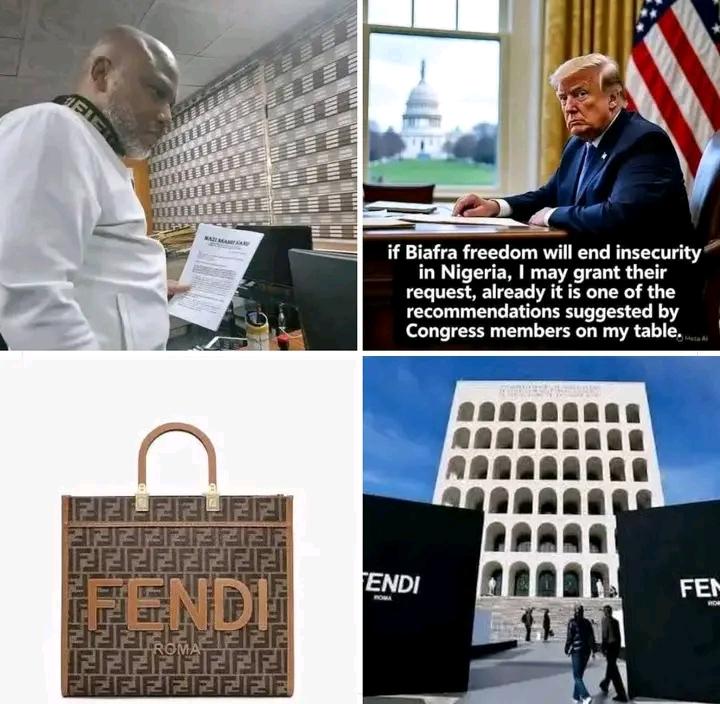
  • Breaking News: Luxury fashion giant Fendi, the global brand known for its signature designs often worn by Mazi Nnamdi Kanu during his court appearances, has reportedly offered the Federal Government of Nigeria a staggering $300 billion for his unconditional release.

    According to inside sources, the Italian fashion powerhouse has also announced Nnamdi Kanu as a Lifetime Global Ambassador of the Fendi brand — a move that has sent shockwaves across political and fashion circles alike.

    “Nnamdi Kanu represents strength, resilience, and identity — values Fendi deeply associates with,” a spokesperson for the company allegedly stated during a private briefing in Rome.

    #viral #fyp #highlightseveryone #everyone #trending #fypシ゚viralシ #everyonefollowers #usa #fendi
    #designer
    Breaking News: Luxury fashion giant Fendi, the global brand known for its signature designs often worn by Mazi Nnamdi Kanu during his court appearances, has reportedly offered the Federal Government of Nigeria a staggering $300 billion for his unconditional release. According to inside sources, the Italian fashion powerhouse has also announced Nnamdi Kanu as a Lifetime Global Ambassador of the Fendi brand — a move that has sent shockwaves across political and fashion circles alike. “Nnamdi Kanu represents strength, resilience, and identity — values Fendi deeply associates with,” a spokesperson for the company allegedly stated during a private briefing in Rome. #viral #fyp #highlightseveryone #everyone #trending #fypシ゚viralシ #everyonefollowers #usa #fendi #designer
    0 Comments ·0 Shares ·3K Views ·0 Reviews
  • IS LOKOJA A YORUBA-SPEAKING TOWN OR A YORUBA TOWN?

    Historical facts

    Lokoja is not a purely “Yoruba town” in the sense of being dominated exclusively by Yoruba people — rather, it is a very multi-ethnic city, though it does have a significant Yoruba connection (especially the Oworo subgroup).

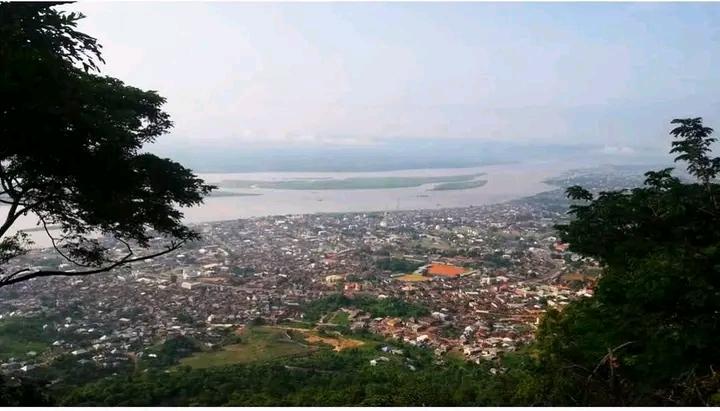
    Lokoja sits at a very strategic and symbolic spot in Nigeria: where the Niger and Benue rivers meet.  Its geography made it a natural crossroads, long before the arrival of Europeans.

    Long before colonial times, the area around Lokoja was inhabited by a variety of ethnic groups. According to historical and geographical accounts, the Oworo (a Yoruba subgroup), Bassa-Nge, Igala, and Ebira (Igbira) are among the indigenous peoples.  Over time, other groups migrated in, including Nupe, Igbo, Hausa, Bini/Edo, Tiv, and others. 

    The etymology of “Lokoja” itself is contested, and reflects this mixed heritage. One version suggests a Yoruba origin: from the Oworo, “Ilu Oke Oja,” roughly meaning “settlement on the hill near the market.”  Other groups have their own claims: for example, some Hausas say it comes from “Loko Ja” (“a red corner”), and the Nupe suggest a derivation from “Patti Lukongi” (“hill of doves”). 

    Lokoja came into stronger global focus in the 19th century, especially with European colonial ambitions. In 1841, the British signed treaties at the confluence — the king of Idah (an Igala area) ceded land around Lokoja.  But the real boost came in the 1850s: in 1857–1859, the Scottish explorer William Balfour Baikie set up a trading post at Lokoja.  This was not just trade — it also had missionary underpinnings.

    By the 1860s, Lokoja became a kind of colonial administrative hub: the first British consulate in the interior was established there (1860–1869).  Later, it became the military headquarters for the Royal Niger Company under Sir George Goldie (around the 1880s–1900). 

    Then came a very important date: 1914. That’s when the British formally amalgamated their Northern and Southern Nigerian protectorates. Lokoja played a symbolic role: it became seat of power. Sir Frederick Lugard, the first Governor-General of the newly unified Nigeria, used Lokoja as his base. 

    After independence, Lokoja’s administrative importance continued to evolve. For a while (1967–1991) it was part of Kwara State.  But in 1991, when Kogi State was created, Lokoja was made its capital.  The city has grown rapidly, both in population and in economic importance. 

    There are still many colonial relics in Lokoja: Lugard’s office and residence on Mount Patti, a colonial cemetery, the first prison yard, and more.  Those landmarks underscore how deeply Lokoja was embedded within British colonial governance.

    So, Is Lokoja a Yoruba Town?

    Not in a simple way. While Yoruba people (especially the Oworo subgroup) are indigenous to Lokoja, they are one of several important ethnic groups there. The city is multi-ethnic, and its identity has been shaped by:
    • Yoruba (Oworo) origins, especially in name and early settlement 
    • Nupe, Igala, Igbo,Ebira, Bassa-Nge, and many more groups contributing to its social fabric. 
    • Its role as a colonial administrative center, which drew in diverse peoples and made it a strategic hub. 

    So, to answer succinctly: Lokoja is not exclusively a Yoruba town, but there is a genuine Yoruba (Oworo) connection in its foundations and name — just as there are deep roots from other ethnicities.

    #history

    #viralphotochallenge
    IS LOKOJA A YORUBA-SPEAKING TOWN OR A YORUBA TOWN? Historical facts Lokoja is not a purely “Yoruba town” in the sense of being dominated exclusively by Yoruba people — rather, it is a very multi-ethnic city, though it does have a significant Yoruba connection (especially the Oworo subgroup). Lokoja sits at a very strategic and symbolic spot in Nigeria: where the Niger and Benue rivers meet.  Its geography made it a natural crossroads, long before the arrival of Europeans. Long before colonial times, the area around Lokoja was inhabited by a variety of ethnic groups. According to historical and geographical accounts, the Oworo (a Yoruba subgroup), Bassa-Nge, Igala, and Ebira (Igbira) are among the indigenous peoples.  Over time, other groups migrated in, including Nupe, Igbo, Hausa, Bini/Edo, Tiv, and others.  The etymology of “Lokoja” itself is contested, and reflects this mixed heritage. One version suggests a Yoruba origin: from the Oworo, “Ilu Oke Oja,” roughly meaning “settlement on the hill near the market.”  Other groups have their own claims: for example, some Hausas say it comes from “Loko Ja” (“a red corner”), and the Nupe suggest a derivation from “Patti Lukongi” (“hill of doves”).  Lokoja came into stronger global focus in the 19th century, especially with European colonial ambitions. In 1841, the British signed treaties at the confluence — the king of Idah (an Igala area) ceded land around Lokoja.  But the real boost came in the 1850s: in 1857–1859, the Scottish explorer William Balfour Baikie set up a trading post at Lokoja.  This was not just trade — it also had missionary underpinnings. By the 1860s, Lokoja became a kind of colonial administrative hub: the first British consulate in the interior was established there (1860–1869).  Later, it became the military headquarters for the Royal Niger Company under Sir George Goldie (around the 1880s–1900).  Then came a very important date: 1914. That’s when the British formally amalgamated their Northern and Southern Nigerian protectorates. Lokoja played a symbolic role: it became seat of power. Sir Frederick Lugard, the first Governor-General of the newly unified Nigeria, used Lokoja as his base.  After independence, Lokoja’s administrative importance continued to evolve. For a while (1967–1991) it was part of Kwara State.  But in 1991, when Kogi State was created, Lokoja was made its capital.  The city has grown rapidly, both in population and in economic importance.  There are still many colonial relics in Lokoja: Lugard’s office and residence on Mount Patti, a colonial cemetery, the first prison yard, and more.  Those landmarks underscore how deeply Lokoja was embedded within British colonial governance. So, Is Lokoja a Yoruba Town? Not in a simple way. While Yoruba people (especially the Oworo subgroup) are indigenous to Lokoja, they are one of several important ethnic groups there. The city is multi-ethnic, and its identity has been shaped by: • Yoruba (Oworo) origins, especially in name and early settlement  • Nupe, Igala, Igbo,Ebira, Bassa-Nge, and many more groups contributing to its social fabric.  • Its role as a colonial administrative center, which drew in diverse peoples and made it a strategic hub.  So, to answer succinctly: Lokoja is not exclusively a Yoruba town, but there is a genuine Yoruba (Oworo) connection in its foundations and name — just as there are deep roots from other ethnicities. #history #viralphotochallenge
    0 Comments ·0 Shares ·1K Views ·0 Reviews
  • " Why don't you tell them how you lock me up, seize my phones and suddenly declare me "mentally unstable” the moment I say I no longer want to be in this relationship but once I change my mind just to get out of that locked room, suddenly I'm fine again. I'm no longer mentally unstable and apparently not in need of rehab anymore. Why don't you also tell them that all your wives and ex wives are on dr*gs? And can you be kind enough to explain to them why that is? Why don't you also tell them how you lock me up and tell Doctors to inject me with dr*gs meant for people with bipolar disorder? Why don't you tell them how you take my phones for weeks just because you hate that I talk to my family a lot.

    You have never seen me act incoherent, stumble or lose control, so just stop. Every problem we have had started when I no longer wanted you, whether sober or even high. Stop using the "dr*gs" narrative to create distraction. Tell people the truth. I understand shaa. You are feeling rejected and hurt and you are struggling to make peace with the fact that it's all over. No matter how much you think you spent on me, it can never equal the value of the time I gave you, my prime years, my energy and the career opportunities I sacrificed while being with you and for the record, I would have filed for divorce long ago if there was ever a legal marriage between us. We were never married in any court of law, and no documents were signed. Leave me alone." - Regina Daniels replies Ned Nwoko (Part 2)
    " Why don't you tell them how you lock me up, seize my phones and suddenly declare me "mentally unstable” the moment I say I no longer want to be in this relationship but once I change my mind just to get out of that locked room, suddenly I'm fine again. I'm no longer mentally unstable and apparently not in need of rehab anymore. Why don't you also tell them that all your wives and ex wives are on dr*gs? And can you be kind enough to explain to them why that is? Why don't you also tell them how you lock me up and tell Doctors to inject me with dr*gs meant for people with bipolar disorder? Why don't you tell them how you take my phones for weeks just because you hate that I talk to my family a lot. You have never seen me act incoherent, stumble or lose control, so just stop. Every problem we have had started when I no longer wanted you, whether sober or even high. Stop using the "dr*gs" narrative to create distraction. Tell people the truth. I understand shaa. You are feeling rejected and hurt and you are struggling to make peace with the fact that it's all over. No matter how much you think you spent on me, it can never equal the value of the time I gave you, my prime years, my energy and the career opportunities I sacrificed while being with you and for the record, I would have filed for divorce long ago if there was ever a legal marriage between us. We were never married in any court of law, and no documents were signed. Leave me alone." - Regina Daniels replies Ned Nwoko (Part 2)
    0 Comments ·0 Shares ·340 Views ·0 Reviews
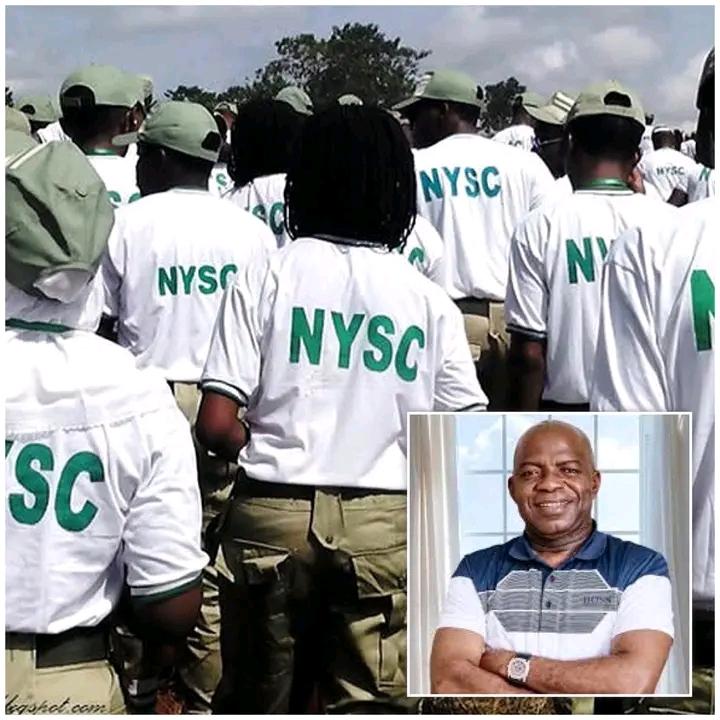
  • Breaking news: Otti Raises Abia NYSC Allowance to ₦50,000, First Major Increment in 27 Years

    Governor Alex Otti of Abia State has approved a massive increase in monthly allowances for members of the National Youth Service Corps (NYSC) serving in the state — from a meagre ₦4,000 to as high as ₦50,000.

    According to a statement issued on Friday by his Chief Press Secretary, Njoku Ukoha, the new structure provides a ₦20,000 base allowance for all corps members serving in Abia. Those deployed to state government establishments will receive an additional ₦10,000, while corps members in the education and medical sectors will get an extra ₦30,000 monthly.

    Ukoha explained that the increment complements the Federal Government’s new ₦77,000 NYSC allowance, meaning that corps members posted to Abia could now earn up to ₦127,000 monthly depending on their primary assignment.

    Report continues in comments below
    Breaking news: Otti Raises Abia NYSC Allowance to ₦50,000, First Major Increment in 27 Years Governor Alex Otti of Abia State has approved a massive increase in monthly allowances for members of the National Youth Service Corps (NYSC) serving in the state — from a meagre ₦4,000 to as high as ₦50,000. According to a statement issued on Friday by his Chief Press Secretary, Njoku Ukoha, the new structure provides a ₦20,000 base allowance for all corps members serving in Abia. Those deployed to state government establishments will receive an additional ₦10,000, while corps members in the education and medical sectors will get an extra ₦30,000 monthly. Ukoha explained that the increment complements the Federal Government’s new ₦77,000 NYSC allowance, meaning that corps members posted to Abia could now earn up to ₦127,000 monthly depending on their primary assignment. Report continues in comments below ⬇️
    0 Comments ·0 Shares ·931 Views ·0 Reviews
  • MORE PROTESTS ERUPT IN DAR ES SALAAM AFTER CHAOTIC ELECTIONS

    Fresh protests have broken out in Tanzania’s main city, Dar es Salaam, following a disputed election that has sparked nationwide tension.

    Demonstrators earlier today stormed Julius Nyerere International Airport , attempting to block members of the political elite from fleeing to Zanzibar.

    Security forces have been deployed to restore order, while authorities maintain a heavy presence across major urban areas amid growing unrest.
    MORE PROTESTS ERUPT IN DAR ES SALAAM AFTER CHAOTIC ELECTIONS Fresh protests have broken out in Tanzania’s main city, Dar es Salaam, following a disputed election that has sparked nationwide tension. Demonstrators earlier today stormed Julius Nyerere International Airport , attempting to block members of the political elite from fleeing to Zanzibar. Security forces have been deployed to restore order, while authorities maintain a heavy presence across major urban areas amid growing unrest.
    0 Comments ·0 Shares ·555 Views ·0 Reviews
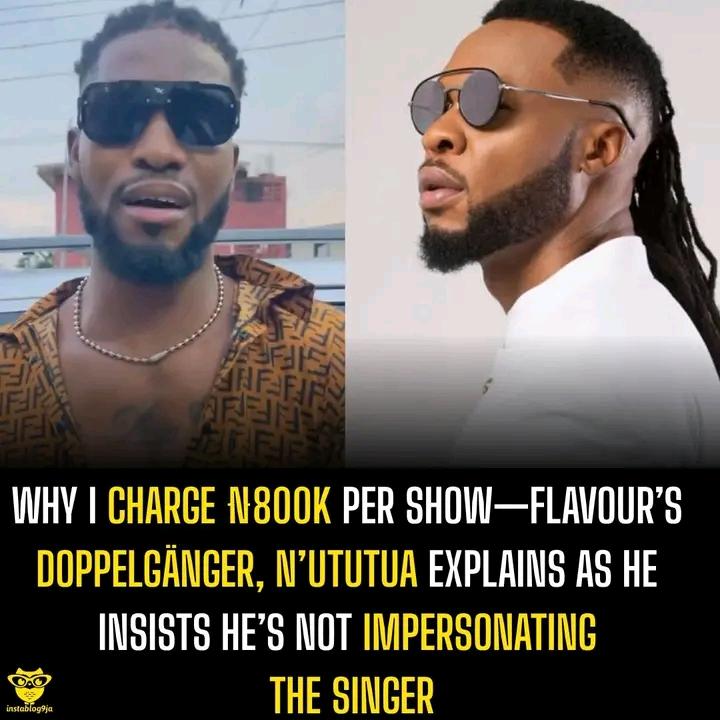
  • Why I charge ₦800k per show — Flavour’s doppelgänger, N’ututua explains as he insists he’s not impersonating the singer

    A social media sensation known as N’ututua has denied ever scamming anyone using the name of popular Nigerian singer, Flavour N’abania.

    In a viral video, the young entertainer, who bears a striking resemblance to the highlife star, said people often mistake him for the musician, but he has never used that likeness to defraud anyone.

    “I have never scammed anybody with Favour’s name before. I just love the man so much and I’m only acting like him,” he said. “I’m just a look-alike of Flavour and I behave like him, but I’ve never scammed anyone.”

    N’ututua, who hails from Anambra State and has gained attention for performing at local shows dressed and performing like Flavour, explained that his resemblance to the singer helps him earn a living.

    “I dey go show for ₦700,000 or ₦800,000, but Flavour no fit go show for that amount,” he said with a smile.

    He added that he would never tarnish the image of someone he admires deeply. “Using Flavour’s name to scam people will be like spoiling his reputation. I can’t do that to someone I love and look up to,” he emphasized.

    N’ututua has built a growing fan base across social media for his uncanny resemblance, voice, and stage moves similar to the music star, though he insists his performances are purely for entertainment — not impersonation.

    #Instablog9jaGists
    #TrendingStory #Awareness #StayUpdated
    Why I charge ₦800k per show — Flavour’s doppelgänger, N’ututua explains as he insists he’s not impersonating the singer A social media sensation known as N’ututua has denied ever scamming anyone using the name of popular Nigerian singer, Flavour N’abania. In a viral video, the young entertainer, who bears a striking resemblance to the highlife star, said people often mistake him for the musician, but he has never used that likeness to defraud anyone. “I have never scammed anybody with Favour’s name before. I just love the man so much and I’m only acting like him,” he said. “I’m just a look-alike of Flavour and I behave like him, but I’ve never scammed anyone.” N’ututua, who hails from Anambra State and has gained attention for performing at local shows dressed and performing like Flavour, explained that his resemblance to the singer helps him earn a living. “I dey go show for ₦700,000 or ₦800,000, but Flavour no fit go show for that amount,” he said with a smile. He added that he would never tarnish the image of someone he admires deeply. “Using Flavour’s name to scam people will be like spoiling his reputation. I can’t do that to someone I love and look up to,” he emphasized. N’ututua has built a growing fan base across social media for his uncanny resemblance, voice, and stage moves similar to the music star, though he insists his performances are purely for entertainment — not impersonation. #Instablog9jaGists #TrendingStory #Awareness #StayUpdated
    0 Comments ·0 Shares ·3K Views ·0 Reviews
  • NIGERIA, WAKE UP! THEY HAVE SOLD EVEN THE UNBORN!

    Rufai Oseni spoke the truth — ₦152 TRILLION in debt and counting, and instead of explaining, these APC looters are busy insulting him!
    They’ve looted the nation, buried the truth, and sold our future for foreign loans and private jets.

    Tell me, who will pay these debts?
    Our children? Our grandchildren? The unborn?
    Because as it stands — even the unborn Nigerian has been sold into slavery!

    What will we tell our children when they rise tomorrow and ask,
    “Where were you when they stole our country?”
    Will we say we sat down with folded hands, watching these criminals steal our destiny?!

    Fela already warned us —

    If you fight for your right, you go still kpai.
    If you no fight for your right, you go still kpai.”
    So which death will you choose — the death of silence or the death of freedom?

    This is not about politics anymore. This is about survival.
    They have turned our votes to trash, our schools to ruins, our youths to beggars.
    Godfatherism has replaced democracy.
    Corruption has replaced competence.
    And propaganda has replaced truth.

    But hear this clearly: No one is coming to save us.
    Not America. Not Europe. Not China.
    It is we, the Nigerian youths — the largest Black youth population in the world — who must rise and reclaim our destiny!

    When the Nigerian youth wakes up,
    The corrupt puppets of the West will drown in their lies,
    And the enemies of this great nation will tremble.

    Nigerian youths, African youths — WAKE UP!
    They distract you with tribal wars, celebrity drama, and fake religion — all to keep you blind.
    But your time has come.
    Either we rise now… or we die watching our future disappear.

    This is not a threat.
    This is a warning from history.

    NIGERIA, WAKE UP! ⚠️ THEY HAVE SOLD EVEN THE UNBORN! Rufai Oseni spoke the truth — ₦152 TRILLION in debt and counting, and instead of explaining, these APC looters are busy insulting him! They’ve looted the nation, buried the truth, and sold our future for foreign loans and private jets. Tell me, who will pay these debts? Our children? Our grandchildren? The unborn? Because as it stands — even the unborn Nigerian has been sold into slavery! What will we tell our children when they rise tomorrow and ask, “Where were you when they stole our country?” Will we say we sat down with folded hands, watching these criminals steal our destiny?! Fela already warned us — If you fight for your right, you go still kpai. If you no fight for your right, you go still kpai.” So which death will you choose — the death of silence or the death of freedom? This is not about politics anymore. This is about survival. They have turned our votes to trash, our schools to ruins, our youths to beggars. Godfatherism has replaced democracy. Corruption has replaced competence. And propaganda has replaced truth. But hear this clearly: No one is coming to save us. Not America. Not Europe. Not China. It is we, the Nigerian youths — the largest Black youth population in the world — who must rise and reclaim our destiny! When the Nigerian youth wakes up, The corrupt puppets of the West will drown in their lies, And the enemies of this great nation will tremble. Nigerian youths, African youths — WAKE UP! They distract you with tribal wars, celebrity drama, and fake religion — all to keep you blind. But your time has come. Either we rise now… or we die watching our future disappear. This is not a threat. This is a warning from history.
    0 Comments ·0 Shares ·2K Views ·0 Reviews
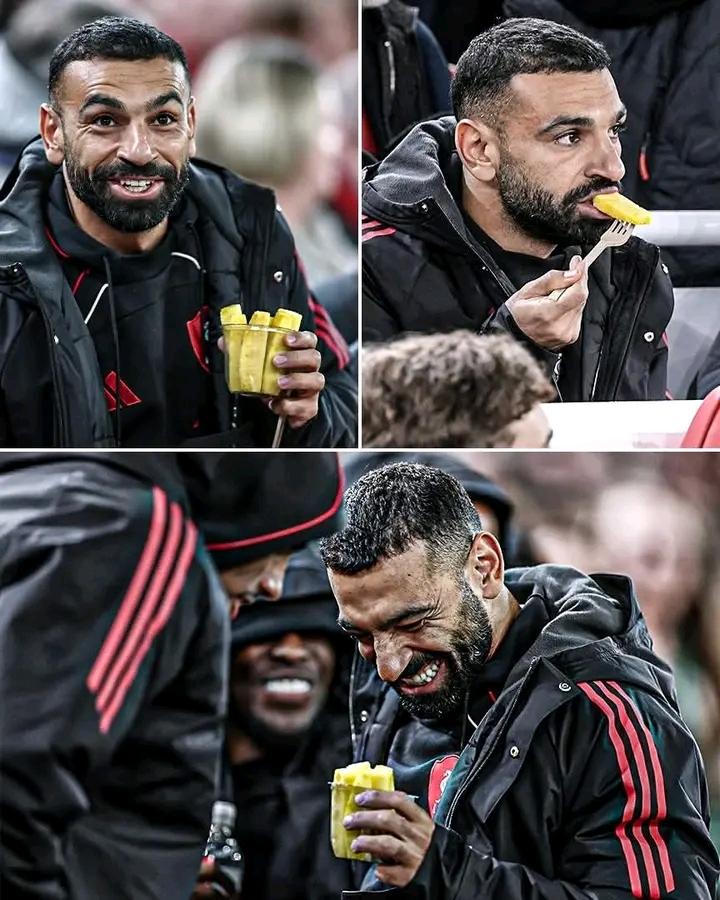
  • Arne Slot: “I've totally lost faith in my players, not even Salah is safe... They're playing like a bunch of toddlers, thinking I won't dare drop them, but newsflash: nobody's irreplaceable! With this level of play, I'm tempted to ask for another £1Billion to overhaul the entire squad... I'm seriously over these useless players,” he added, sobbing via Fabrizio Sudano.
    🚨💣Arne Slot: “I've totally lost faith in my players, not even Salah is safe... They're playing like a bunch of toddlers, thinking I won't dare drop them, but newsflash: nobody's irreplaceable! With this level of play, I'm tempted to ask for another £1Billion to overhaul the entire squad... I'm seriously over these useless players,” he added, sobbing via Fabrizio Sudano.
    0 Comments ·0 Shares ·976 Views ·0 Reviews
More Results
001Davido https://001davido.com