

• When ENUGU COAL GENERATED ELECTRICITY FOR NIGERIA AND NEIGHBOURING COUNTRIES.

    Kwame Nkrumah, Ghana's first Prime Minister, visits Nigeria, February 1959.
    When Nkrumah arrived in Enugu, he visited the Enugu coal mine and watched the magnificent plant, which supplied Ghana her electricity, in action.

    In 1916, Nigeria’s first coal-fired power plant in Enugu began generating electricity, marking the dawn of industrial energy production in the country. The discovery of coal in the Udi Hills had turned the sleepy town of Enugu into a bustling mining hub known as the “Coal City.” The electricity generated powered railway lines, mines, and colonial offices, fueling the growth of southeastern Nigeria. Workers toiled deep underground, their efforts lighting up cities hundreds of miles away and across neighbouring countries. That era not only symbolized technological progress but also laid foundation for Nigeria’s modern energy history.
    When ENUGU COAL GENERATED ELECTRICITY FOR NIGERIA AND NEIGHBOURING COUNTRIES. Kwame Nkrumah, Ghana's first Prime Minister, visits Nigeria, February 1959. When Nkrumah arrived in Enugu, he visited the Enugu coal mine and watched the magnificent plant, which supplied Ghana her electricity, in action. In 1916, Nigeria’s first coal-fired power plant in Enugu began generating electricity, marking the dawn of industrial energy production in the country. The discovery of coal in the Udi Hills had turned the sleepy town of Enugu into a bustling mining hub known as the “Coal City.” The electricity generated powered railway lines, mines, and colonial offices, fueling the growth of southeastern Nigeria. Workers toiled deep underground, their efforts lighting up cities hundreds of miles away and across neighbouring countries. That era not only symbolized technological progress but also laid foundation for Nigeria’s modern energy history.
    0 Comments ·0 Shares ·1K Views ·0 Reviews
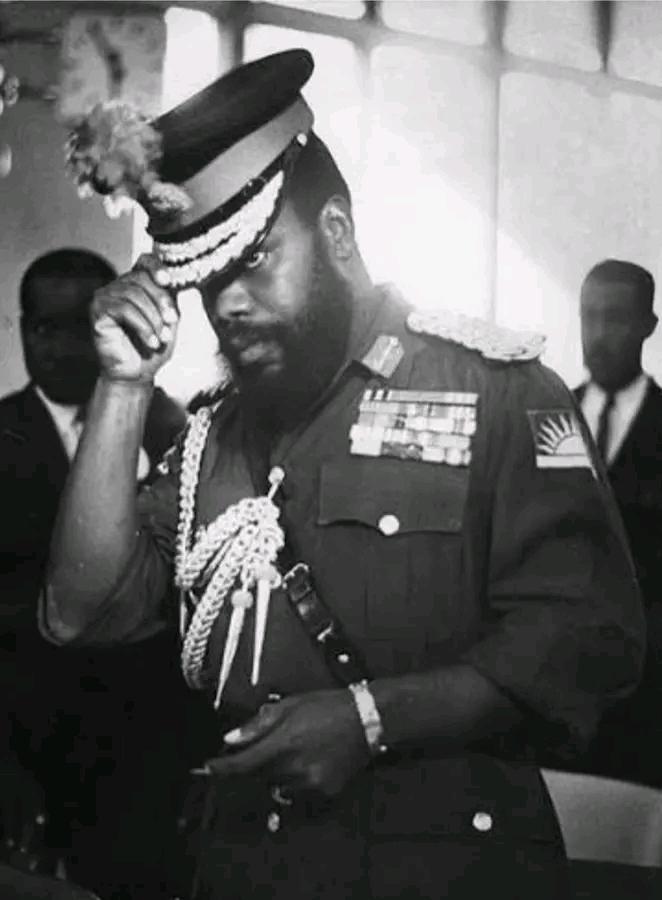
  • THE LINE MEANT TO END THE KIĹLINGS

    What is happening now is exactly what happened back then in northern Nigeria: the mūrder of eastern Nigerians while the government pretended to know nothing about it.

    Ojukwu and Gowon met in Aburi, Ghana, to find a lasting solution. They agreed on a course of action.

    When Gowon broke the agreement, the kīlĺïngs and other forms of insecurity and oppression continued. No one knew what to do, just as many Nigerians are baffled today by what appears to be state-sponsored terr0rism.

    Ojukwu said in one of his post-war interviews that I have watched: we had no choice but to draw a line and tell our people, “Whoever crosses this line is home and safe. And we called that line Bïafra.'

    Biafra became a symbol of security, peace and progress. This dream was actually realised till the Brìtìsh and the Nigèrian government turned the region into agony and pain. They came with war on a people that were running from bloodshed.

    We don't need any other Aburi Accord today because history has shown that it will still be broken.

    We need a referendum on how to live in the future. Since the marriage has turned to constant kidnāppings, rāpe and kilĺïngs, land grabbing and refugees, and all forms of insecurity we should try other options.

    Fada Angelo Chidi Unegbu

    #returntofactorysettings
    THE LINE MEANT TO END THE KIĹLINGS What is happening now is exactly what happened back then in northern Nigeria: the mūrder of eastern Nigerians while the government pretended to know nothing about it. Ojukwu and Gowon met in Aburi, Ghana, to find a lasting solution. They agreed on a course of action. When Gowon broke the agreement, the kīlĺïngs and other forms of insecurity and oppression continued. No one knew what to do, just as many Nigerians are baffled today by what appears to be state-sponsored terr0rism. Ojukwu said in one of his post-war interviews that I have watched: we had no choice but to draw a line and tell our people, “Whoever crosses this line is home and safe. And we called that line Bïafra.' Biafra became a symbol of security, peace and progress. This dream was actually realised till the Brìtìsh and the Nigèrian government turned the region into agony and pain. They came with war on a people that were running from bloodshed. We don't need any other Aburi Accord today because history has shown that it will still be broken. We need a referendum on how to live in the future. Since the marriage has turned to constant kidnāppings, rāpe and kilĺïngs, land grabbing and refugees, and all forms of insecurity we should try other options. Fada Angelo Chidi Unegbu #returntofactorysettings
    0 Comments ·0 Shares ·745 Views ·0 Reviews
  • Remembering Mrs Victoria Aguiyi ironsi

    Victoria Aguiyi-Ironsi (1923–2021)

    Nigeria’s first military First Lady held the role for just six months, January to July 1966.

    Victoria was Born in 1923 in Umuahia,Abia state.in 1953,she mārrîéd a young army officer, Johnson Thomas Umunnakwe Aguiyi-Ironsi, By 1965, he had risen to become the Nigerian Ârmy’s top commander.

    On 16 January 1966, after Nigeria’s first cōüp toppled the civilíân gôvernmëñt, he assumed power as Hëad of Stãte. With that, Victoria became First Lady.

    Her time in the role was brîef and mostly ceremonial. But it coincided with one of Nigeria’s most türbülënt moments — the cöllâpse of the First Repûblic, the introduction of military rule, and growing regional tensions.

    On 29 July 1966, a coûñter-cöûp claimed the livës of Major General Aguiyi-Ironsi and Colonel Adekunle Fajuyi in Ibadan. Widōwed at 42, Victoria witnessed the viôlëñçë that paved the way for dëçāde of mîlitáry göverñmëñts and, soon after, the Nigerian Cîvil Wâr (1967–1970).

    She néver returned to public lifè, instead raising her eight children through years of upheaval. Her widowhööd lasted 55 years, across both mîlitáry and civilíân eras.

    Victoria Aguiyi-Ironsi dîëd on 23 August 2021, aged 97.

    Her life remains a reminder that behind Nigeria’s political history are families and individuals who bore its deepëst cõsts.

    #fblifestyle
    Remembering Mrs Victoria Aguiyi ironsi 💔 Victoria Aguiyi-Ironsi (1923–2021) Nigeria’s first military First Lady held the role for just six months, January to July 1966. Victoria was Born in 1923 in Umuahia,Abia state.in 1953,she mārrîéd a young army officer, Johnson Thomas Umunnakwe Aguiyi-Ironsi, By 1965, he had risen to become the Nigerian Ârmy’s top commander. On 16 January 1966, after Nigeria’s first cōüp toppled the civilíân gôvernmëñt, he assumed power as Hëad of Stãte. With that, Victoria became First Lady. Her time in the role was brîef and mostly ceremonial. But it coincided with one of Nigeria’s most türbülënt moments — the cöllâpse of the First Repûblic, the introduction of military rule, and growing regional tensions. On 29 July 1966, a coûñter-cöûp claimed the livës of Major General Aguiyi-Ironsi and Colonel Adekunle Fajuyi in Ibadan. Widōwed at 42, Victoria witnessed the viôlëñçë that paved the way for dëçāde of mîlitáry göverñmëñts and, soon after, the Nigerian Cîvil Wâr (1967–1970). She néver returned to public lifè, instead raising her eight children through years of upheaval. Her widowhööd lasted 55 years, across both mîlitáry and civilíân eras. Victoria Aguiyi-Ironsi dîëd on 23 August 2021, aged 97. Her life remains a reminder that behind Nigeria’s political history are families and individuals who bore its deepëst cõsts. #fblifestyle
    0 Comments ·0 Shares ·790 Views ·0 Reviews
  • NO VANQUISH, NO SURRENDER — THE ETERNAL CRY OF A PEOPLE WHO REFUSED TO DIE

    Between 1967 and 1970, a chapter was written in blood, hunger, silence, and unshakable courage.
    A land cut off from the world…
    A people surrounded by enemies…
    Children wasting from kwashiorkor…
    Mothers praying over empty pots…
    Yet in the middle of this darkness, a fire burned that refused to go out.

    That fire was Biafra.

    It wasn’t about territory.
    It wasn’t about pride.
    It was about existence — about the right to live without fear, without persecution, without being hunted in their own homeland.

    When the world abandoned them, they built their own world.
    They forged weapons in makeshift workshops.
    They built aircraft like the iconic Biafran “Baby Jet.”
    🛠 They created refineries, radios, and technology from scraps and determination.
    They held onto one another when they had nothing left.

    History remembers the bombs.
    But the heart remembers the bravery.
    History remembers the hunger.
    But the soul remembers the unbreakable will.

    Even as the skies thundered with air raids…
    Even as children cried in the night…
    Even as the world looked away…
    Biafrans whispered to their hearts:

    “We may be wounded…
    We may be starving…
    But we will never be conquered.

    #okwudigitalmedia

    No Vanquish. No Surrender.
    Not because they wanted war—
    But because survival itself became a battlefield.

    And today, when we remember Biafra, it is not to reopen old wounds.
    It is not to create division or hatred.
    It is not to set the South South against the South East.
    We remember because we are one people — bonded by blood, history, pain, and hope.
    The river may divide our lands,
    But our ancestors, our struggles, and our destiny come from the same root.

    To remember Biafra is to honour the dead, respect the living, and protect the future.
    It is a call to unity, justice, and dignity for all our people — from the creeks to the hills, from the delta to the highlands.

    May the memories strengthen us.
    May the lessons guide us.
    May the tears water a future where no child ever suffers what Biafran children suffered.


    #NoVanquishNoSurrender
    #RememberBiafra
    #BiafraHistory
    #NeverForget1967
    #SouthEastSouthSouthUnity
    #OneBloodOnePeople
    #HistoryOfTheBrave
    #BiafranSpirit
    🔥🕊️ NO VANQUISH, NO SURRENDER — THE ETERNAL CRY OF A PEOPLE WHO REFUSED TO DIE Between 1967 and 1970, a chapter was written in blood, hunger, silence, and unshakable courage. A land cut off from the world… A people surrounded by enemies… Children wasting from kwashiorkor… Mothers praying over empty pots… Yet in the middle of this darkness, a fire burned that refused to go out. That fire was Biafra. It wasn’t about territory. It wasn’t about pride. It was about existence — about the right to live without fear, without persecution, without being hunted in their own homeland. ✊ When the world abandoned them, they built their own world. 🔧 They forged weapons in makeshift workshops. ✈️ They built aircraft like the iconic Biafran “Baby Jet.” 🛠 They created refineries, radios, and technology from scraps and determination. 💛 They held onto one another when they had nothing left. History remembers the bombs. But the heart remembers the bravery. History remembers the hunger. But the soul remembers the unbreakable will. Even as the skies thundered with air raids… Even as children cried in the night… Even as the world looked away… Biafrans whispered to their hearts: “We may be wounded… We may be starving… But we will never be conquered. #okwudigitalmedia 🦅 No Vanquish. No Surrender. Not because they wanted war— But because survival itself became a battlefield. And today, when we remember Biafra, it is not to reopen old wounds. It is not to create division or hatred. It is not to set the South South against the South East. We remember because we are one people — bonded by blood, history, pain, and hope. The river may divide our lands, But our ancestors, our struggles, and our destiny come from the same root. To remember Biafra is to honour the dead, respect the living, and protect the future. It is a call to unity, justice, and dignity for all our people — from the creeks to the hills, from the delta to the highlands. May the memories strengthen us. May the lessons guide us. May the tears water a future where no child ever suffers what Biafran children suffered. 🕊️ #NoVanquishNoSurrender #RememberBiafra #BiafraHistory #NeverForget1967 #SouthEastSouthSouthUnity #OneBloodOnePeople #HistoryOfTheBrave #BiafranSpirit
    0 Comments ·0 Shares ·2K Views ·0 Reviews
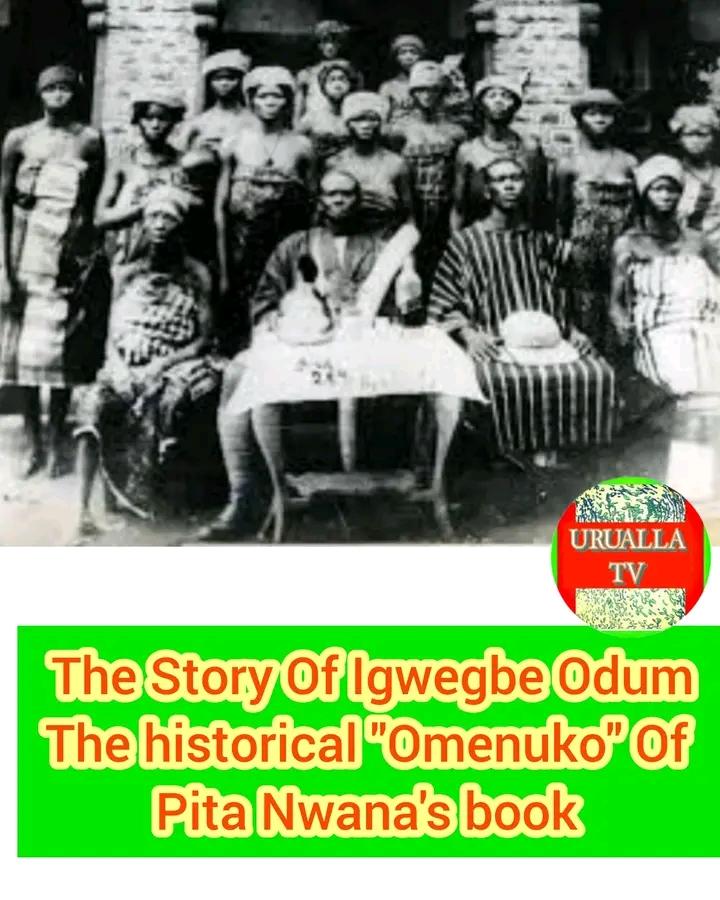
  • The Story Of Omenuko
    A Igbo wealthy Man in the Late Nineteenth Century.
    Chief Igwegbe Ọdum
    Omenuko of Arondizuogu, c.1860-1940

    He was a brother to Mbadiwe Odum the father of Dr K.O Mbadiwe and Chief Green Mbadiwe

    Although the British outlawed slave trading for its subjects in 1807, the Igbo hinterland sustained an illicit trade late into the second decade of the twentieth century, in response to the palm oil trade and other factors. In fact, after the final slave cargo left the Niger Delta coast in the 1830s, internal slavery continued in the interior of the Bight of Biafra, especially around the Arondizuogu-Bende-Arochukwu supply axis, as late as 1912. The slaves previously meant for the overseas market were now engaged in plantation farms where their labor accelerated the growth of the palm oil trade. The focus of this History is the continuation of the slave trade after the ending of the trans-Atlantic traffic, as reflected in the life of Chief Igwegbe Ọdum. The biography of Igwebe Ọdum speaks in many ways to the collective historical experience of slavery and abolition, colonialism, social change and cultural dilemmas, and the link between economic power and political machinations. Igwegbe's life history provides an insight into the character of a class of nouveaux riche who were emerging in West Africa, including Igboland, where they were known as ọgaranya. The new economic order was defined by expansion of the cash economy, the gradual but steady decline of the Atlantic slave trade, and the transition to "legitimate commerce." Igwegbe Ọdum is remembered as someone who was able to take advantage of opportunities; in 1929, his kinsmen referred to him as ọmenukọ-akụ ("one who is financially buoyant in the midst of scarcity"). How he achieved this status is controversial, however. Igwegbe is portrayed either as a hero or villain. In 1934, for instance, his biographer, Pita Nwana, an Aro indigene and pioneer Igbo writer, presented Igwegbe as an ultimate model of a successful Aro traditional entrepreneur and politician. Similarly, in their different studies, Mbonu Ojike, Richard Ohizu Igwegbe (Chief Igwebe's son), and Dr. K. O. Mbadiwe (Igwegbe's nephew and popular Nigerian politician in the first and second republics)—have described Igwegbe in colorful words as a "political wizard" and "political dynamo." In 1966, however, the eminent African historian, Adiele Afigbo, stood the earlier studies on their heads by focusing specifically on the activities of Igwegbe as a collaborator in British colonial rule in Nigeria. Afigbo described Igwegbe as a paradox of "the greatest success and failure among that notorious crowd of Eastern Nigeria's rulers known as warrant chiefs," and "a discredited politician in his hometown Arondizuogu." In 1993, Evaristus Anyaehie sharply disagreed with Afigbo's uncomplimentary view of Igwegbe, which he dismissed as "misplaced emphasis." Instead, Anyaehie interprets Igwegbe's career broadly as "an authentic source of information on the political culture of the Igbo in the nineteenth and early twentieth century." As Elizabeth Isichei demonstrated in her study of nineteenth-century Igbo society, a cadre of "aristocrats" (ọgaranya) with newly found wealth emerged, thanks to the lucrative export trade in slaves and later palm oil. It is argued here that Igwegbe Ọdum's career provides us with insight into the nature of the evolving but often misunderstood nineteenth-century militarized social milieu in which he was raised. The history of the ọgaranya who marched with feet of iron fills a curious void in a period of Igbo history when the indigenous society was heading towards a crucial take-off to a new level of socioeconomic and political development following the expansion of merchant capitalism and the creation of new wealth in the hands of opportune individuals.

    What did you hear about Chief Omenuko
    #uruallatv #Omenuko
    The Story Of Omenuko A Igbo wealthy Man in the Late Nineteenth Century. Chief Igwegbe Ọdum Omenuko of Arondizuogu, c.1860-1940 He was a brother to Mbadiwe Odum the father of Dr K.O Mbadiwe and Chief Green Mbadiwe Although the British outlawed slave trading for its subjects in 1807, the Igbo hinterland sustained an illicit trade late into the second decade of the twentieth century, in response to the palm oil trade and other factors. In fact, after the final slave cargo left the Niger Delta coast in the 1830s, internal slavery continued in the interior of the Bight of Biafra, especially around the Arondizuogu-Bende-Arochukwu supply axis, as late as 1912. The slaves previously meant for the overseas market were now engaged in plantation farms where their labor accelerated the growth of the palm oil trade. The focus of this History is the continuation of the slave trade after the ending of the trans-Atlantic traffic, as reflected in the life of Chief Igwegbe Ọdum. The biography of Igwebe Ọdum speaks in many ways to the collective historical experience of slavery and abolition, colonialism, social change and cultural dilemmas, and the link between economic power and political machinations. Igwegbe's life history provides an insight into the character of a class of nouveaux riche who were emerging in West Africa, including Igboland, where they were known as ọgaranya. The new economic order was defined by expansion of the cash economy, the gradual but steady decline of the Atlantic slave trade, and the transition to "legitimate commerce." Igwegbe Ọdum is remembered as someone who was able to take advantage of opportunities; in 1929, his kinsmen referred to him as ọmenukọ-akụ ("one who is financially buoyant in the midst of scarcity"). How he achieved this status is controversial, however. Igwegbe is portrayed either as a hero or villain. In 1934, for instance, his biographer, Pita Nwana, an Aro indigene and pioneer Igbo writer, presented Igwegbe as an ultimate model of a successful Aro traditional entrepreneur and politician. Similarly, in their different studies, Mbonu Ojike, Richard Ohizu Igwegbe (Chief Igwebe's son), and Dr. K. O. Mbadiwe (Igwegbe's nephew and popular Nigerian politician in the first and second republics)—have described Igwegbe in colorful words as a "political wizard" and "political dynamo." In 1966, however, the eminent African historian, Adiele Afigbo, stood the earlier studies on their heads by focusing specifically on the activities of Igwegbe as a collaborator in British colonial rule in Nigeria. Afigbo described Igwegbe as a paradox of "the greatest success and failure among that notorious crowd of Eastern Nigeria's rulers known as warrant chiefs," and "a discredited politician in his hometown Arondizuogu." In 1993, Evaristus Anyaehie sharply disagreed with Afigbo's uncomplimentary view of Igwegbe, which he dismissed as "misplaced emphasis." Instead, Anyaehie interprets Igwegbe's career broadly as "an authentic source of information on the political culture of the Igbo in the nineteenth and early twentieth century." As Elizabeth Isichei demonstrated in her study of nineteenth-century Igbo society, a cadre of "aristocrats" (ọgaranya) with newly found wealth emerged, thanks to the lucrative export trade in slaves and later palm oil. It is argued here that Igwegbe Ọdum's career provides us with insight into the nature of the evolving but often misunderstood nineteenth-century militarized social milieu in which he was raised. The history of the ọgaranya who marched with feet of iron fills a curious void in a period of Igbo history when the indigenous society was heading towards a crucial take-off to a new level of socioeconomic and political development following the expansion of merchant capitalism and the creation of new wealth in the hands of opportune individuals. What did you hear about Chief Omenuko #uruallatv #Omenuko
    0 Comments ·0 Shares ·2K Views ·0 Reviews
  • Obasanjo removed History from our school.
    A Yoruba man called obasanjo removed History from our school because history didn't favor them
    THE Yoruba COUP THAT LED TO THE EXTERMINATION OF TAFAWA BALEWA

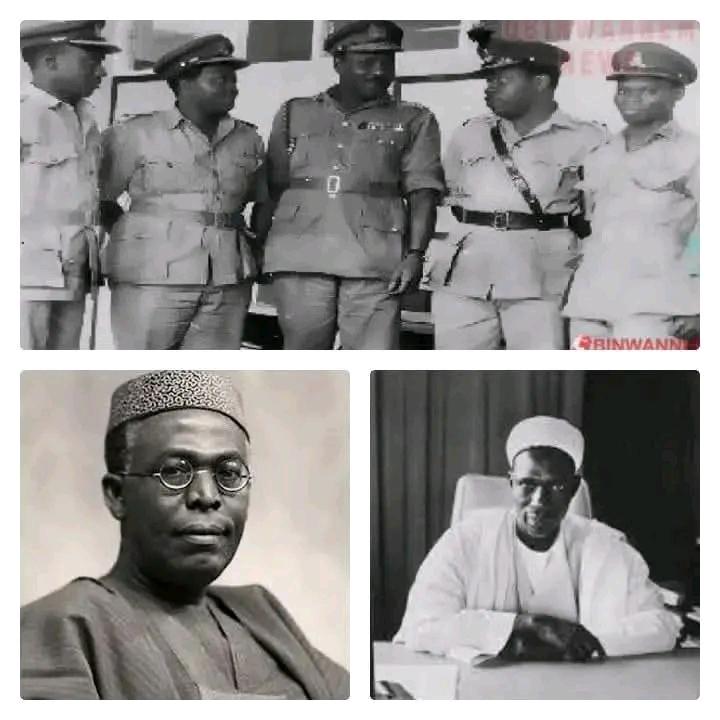
    Since Nigeria became independent in 1960, there have been five military coups. Between 1966 and 1999 carried out by different officers in the Nigerian Army, Non of this coups were given an ethnic coloration except that of 1966 tagged IGBO coup but in reality, that coup was a Yoruba coup but their manipulated the whole story to be against Igbo tribe considering their intention which was meant to release Awolowo (a Yoruba man) from prison and install him as the Prime Minister. taking advantage of their numbers the Yorubas amongst them suggested they Ki|| Tafawa Balewa so Awolowo can emerge. this was a well planned coup to save their tribesman, so it was a Yoruba coup if we're to tag it based on ethnicity.
    So, let's take a look at the list of the coup plotters and their tribes:-

    1. Major Chukwuma Kaduna Nzeogwu(Igbo)
    2. Major Adewale Ademoyega (Yoruba) author of "Why we struck"
    3. Capt. G. Adeleke(Yoruba)
    4. Maj. Ifeajuna(Igbo)
    5. Lt. Fola Oyewole(Yoruba) author of "The reluctant rebel"
    6. Lt. R. Egbiko(Esan)
    7. Lt. Tijani Katsina(Hausa/Fulani)
    8. Lt. O. Olafemiyan(Yoruba)
    9. Capt. Gibson Jalo(Bali)
    10. Capt. Swanton(Middle Belt)
    11. Lt. Hope Harris Eghagha (Urhobo)
    12. Lt. Dag Warribor(Ijaw)
    13. 2nd Lt. Saleh Dambo(Hausa)
    14. 2nd Lt. John Atom Kpera (Tiv).

    There you have it. But I’m sure that apart from Nzeogwu and Ifeajuna, you probably never heard of the names of the other guys and the question is why? you probably never heard that the number of northerners who plotted the coup to exterminate their brother (Tafawa Balewa) was more than the Igbos right? That's because of the power of media. Yorubas was in charge of all newspapers in Nigeria then so they manipulated it. But today northerners are waking up to see their real enemy.

    out of 14 coup plotters 4 are Yorubas and only 2 are Igbos yet it was tagged an Igbo coup? this is because some elements deliberately chose to tell a one sided story to further their ill agenda against a particular tribe and people; and after over 50 years the war ended, this same people are still hellbent on selling this same old and erroneous and fallacious narrative for the same primordial agenda.
    But today we say no we must tell our children all Igbo blood the real story and history. Follow Justice ozobi if you wish to learn more.
    this evil narrative instigated the civil war and the counter coup that led to the extermination of Gen Johnson Aguiyi Irosi an Igbo military head of state who never participated in the coup, same narrative further raised the uproar and animosity that led to the massacre of thousands of Igbos living in the North before the real genocide of Igbos even began. And you are telling me Yorubas are not wicked??
    Some of you igbo brothers are funny.
    You really don't know your enemy

    Follow us let me expose more history that their banned in school

    Relax
    Am still coming for more.
    My dad was once a history teacher so I no everything about Nigeria

    Follow Justice ozobi

    We bring the history to your door steep.

    Without lies and compromise.
    Obasanjo removed History from our school. A Yoruba man called obasanjo removed History from our school because history didn't favor them THE Yoruba COUP THAT LED TO THE EXTERMINATION OF TAFAWA BALEWA Since Nigeria became independent in 1960, there have been five military coups. Between 1966 and 1999 carried out by different officers in the Nigerian Army, Non of this coups were given an ethnic coloration except that of 1966 tagged IGBO coup but in reality, that coup was a Yoruba coup but their manipulated the whole story to be against Igbo tribe considering their intention which was meant to release Awolowo (a Yoruba man) from prison and install him as the Prime Minister. taking advantage of their numbers the Yorubas amongst them suggested they Ki|| Tafawa Balewa so Awolowo can emerge. this was a well planned coup to save their tribesman, so it was a Yoruba coup if we're to tag it based on ethnicity. So, let's take a look at the list of the coup plotters and their tribes:- 1. Major Chukwuma Kaduna Nzeogwu(Igbo) 2. Major Adewale Ademoyega (Yoruba) author of "Why we struck" 3. Capt. G. Adeleke(Yoruba) 4. Maj. Ifeajuna(Igbo) 5. Lt. Fola Oyewole(Yoruba) author of "The reluctant rebel" 6. Lt. R. Egbiko(Esan) 7. Lt. Tijani Katsina(Hausa/Fulani) 8. Lt. O. Olafemiyan(Yoruba) 9. Capt. Gibson Jalo(Bali) 10. Capt. Swanton(Middle Belt) 11. Lt. Hope Harris Eghagha (Urhobo) 12. Lt. Dag Warribor(Ijaw) 13. 2nd Lt. Saleh Dambo(Hausa) 14. 2nd Lt. John Atom Kpera (Tiv). There you have it. But I’m sure that apart from Nzeogwu and Ifeajuna, you probably never heard of the names of the other guys and the question is why? you probably never heard that the number of northerners who plotted the coup to exterminate their brother (Tafawa Balewa) was more than the Igbos right? That's because of the power of media. Yorubas was in charge of all newspapers in Nigeria then so they manipulated it. But today northerners are waking up to see their real enemy. out of 14 coup plotters 4 are Yorubas and only 2 are Igbos yet it was tagged an Igbo coup? this is because some elements deliberately chose to tell a one sided story to further their ill agenda against a particular tribe and people; and after over 50 years the war ended, this same people are still hellbent on selling this same old and erroneous and fallacious narrative for the same primordial agenda. But today we say no we must tell our children all Igbo blood the real story and history. Follow Justice ozobi if you wish to learn more. this evil narrative instigated the civil war and the counter coup that led to the extermination of Gen Johnson Aguiyi Irosi an Igbo military head of state who never participated in the coup, same narrative further raised the uproar and animosity that led to the massacre of thousands of Igbos living in the North before the real genocide of Igbos even began. And you are telling me Yorubas are not wicked?? Some of you igbo brothers are funny. You really don't know your enemy Follow us let me expose more history that their banned in school Relax Am still coming for more. My dad was once a history teacher so I no everything about Nigeria Follow Justice ozobi We bring the history to your door steep. Without lies and compromise.
    0 Comments ·0 Shares ·2K Views ·0 Reviews
  • Igboland Is Not Southeast, See 1856 and 1911 Map of Igboland by British Researchers

    For those with good knowledge of history, the geographical location of Igbos and Igboland is one of the earliest well defined with its coordinate as far back as 1856 before Nigeria came into Existence.This is the official documentation of Igbo boundaries, a people who have lived in the forest region for thousands of years. This is also the Igbo cultural areas (ICA).

    The maps and descriptions below describes Igboland and not southeast. Southeast was created following balkanization of old Eastern Region in 1967,almost over 100 years after igboland is already defined in 1856.

    #uruallatv #Igboland southeast
    Igboland Is Not Southeast, See 1856 and 1911 Map of Igboland by British Researchers For those with good knowledge of history, the geographical location of Igbos and Igboland is one of the earliest well defined with its coordinate as far back as 1856 before Nigeria came into Existence.This is the official documentation of Igbo boundaries, a people who have lived in the forest region for thousands of years. This is also the Igbo cultural areas (ICA). The maps and descriptions below describes Igboland and not southeast. Southeast was created following balkanization of old Eastern Region in 1967,almost over 100 years after igboland is already defined in 1856. #uruallatv #Igboland southeast
    0 Comments ·0 Shares ·1K Views ·0 Reviews
  • TR@GIC END

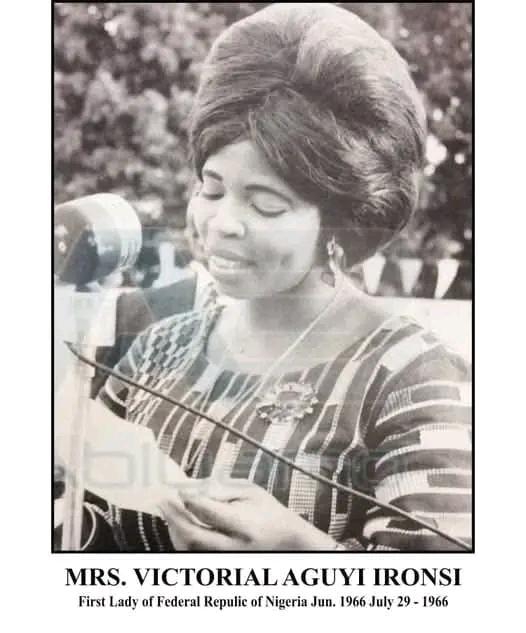
    It is estimated that more than a million Africans lost their l!ves during the transatlantic sl@ve trade, many of them thrown into the Atlantic Ocean by European sl@ve traders. These individuals were not yet Americans or Brazilians—they were ensl@ved ;Yoruba, Igbo, Fulani, Mandinka, and many other African peoples (Akan, Kongo, Fon, Wolof, Mende) whose journeys ended trag!cally before ever reaching the Americas.Many others are unaccounted for,with their bodies lying deep beneath the sea till today

    #history
    #slavery
    @black history
    TR@GIC END It is estimated that more than a million Africans lost their l!ves during the transatlantic sl@ve trade, many of them thrown into the Atlantic Ocean by European sl@ve traders. These individuals were not yet Americans or Brazilians—they were ensl@ved ;Yoruba, Igbo, Fulani, Mandinka, and many other African peoples (Akan, Kongo, Fon, Wolof, Mende) whose journeys ended trag!cally before ever reaching the Americas.Many others are unaccounted for,with their bodies lying deep beneath the sea till today 😢 #history #slavery @black history
    0 Comments ·0 Shares ·728 Views ·0 Reviews
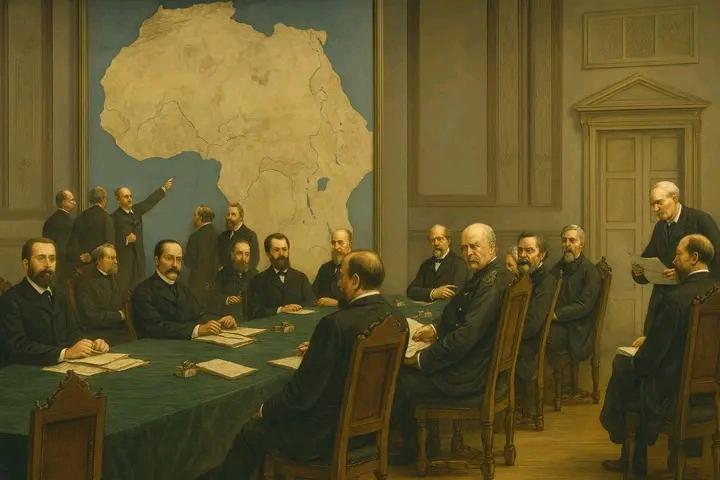
  • In 1884, the Berlin Conference began, a series of negotiations in Berlin where the major European powers met to decide how to divide Africa among themselves. They wanted resources, markets, and global prestige, all while avoiding conflicts with one another. The borders they drew, with no understanding of the people living there, still shape many of Africa’s problems today.

    #history
    In 1884, the Berlin Conference began, a series of negotiations in Berlin where the major European powers met to decide how to divide Africa among themselves. They wanted resources, markets, and global prestige, all while avoiding conflicts with one another. The borders they drew, with no understanding of the people living there, still shape many of Africa’s problems today. #history
    0 Comments ·0 Shares ·545 Views ·0 Reviews
  • VALUE OF THE BIAFRAN POUND

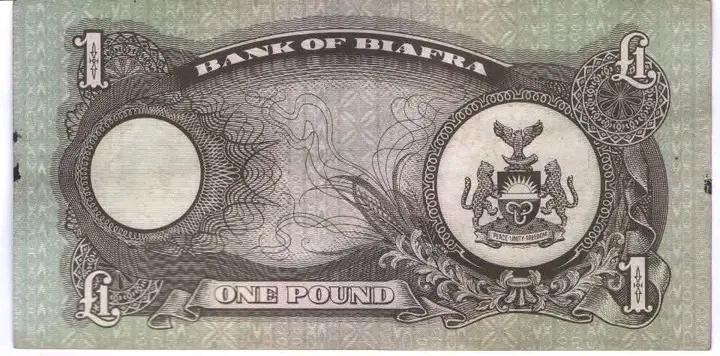
    During the short-lived Republic of Biafra (1967–1970), the Biafran pound (B₤) was introduced to replace the Nigerian pound in the secessi0nist territ0ry.
    At introduction in 1967, the Biafran pound was set at par with the Nigerian pound, meaning:
    1 Biafran pound ≈ 1 Nigerian pound.
    As the Nigerian Civil W@r progressed, the Biafran pound rapidly devalued due to inflation, blockade-induced scarcity, and the collapse of Biafra’s economy.
    By 1969–1970, the Biafran pound had lost significant value, and in practice, barter and foreign currencies became more common than Biafran banknotes.
    After Biafra’s defeat in January 1970, the currency was demonetized, and the Nigerian pound was restored as legal tender.

    So, while initially it was 1:1 with the Nigerian pound, wartime conditions made its real purchasing power drop drastically by the end of the conflict.

    #history
    Blackhistory
    VALUE OF THE BIAFRAN POUND During the short-lived Republic of Biafra (1967–1970), the Biafran pound (B₤) was introduced to replace the Nigerian pound in the secessi0nist territ0ry. At introduction in 1967, the Biafran pound was set at par with the Nigerian pound, meaning: 1 Biafran pound ≈ 1 Nigerian pound. As the Nigerian Civil W@r progressed, the Biafran pound rapidly devalued due to inflation, blockade-induced scarcity, and the collapse of Biafra’s economy. By 1969–1970, the Biafran pound had lost significant value, and in practice, barter and foreign currencies became more common than Biafran banknotes. After Biafra’s defeat in January 1970, the currency was demonetized, and the Nigerian pound was restored as legal tender. So, while initially it was 1:1 with the Nigerian pound, wartime conditions made its real purchasing power drop drastically by the end of the conflict. #history Blackhistory
    0 Comments ·0 Shares ·605 Views ·0 Reviews
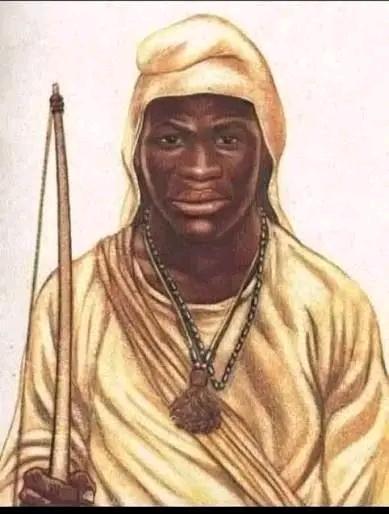
  • Sundiata Keita – The Lion King of Mali

    Long before the world heard of Mansa Musa’s golden empire,
    there was a boy — a boy who could not walk, a boy mocked by his own people,
    a boy who would one day rise to become Sundiata Keita, the first Lion King of Mali.

    His story did not begin with strength, but with prophecy and pain.

    Sundiata was born in the 13th century to King Maghan Kon Fatta of Mali and his second wife, Sogolon Kedjou — a woman many called “the Buffalo Woman” because of the prophecy that her son would one day become a mighty king.

    But at birth, Sundiata could not walk.
    He crawled while other children ran.
    He listened while others laughed.
    He endured whispers that he would never rule anything.

    Yet inside him was a quiet fire — a destiny waiting for the right moment.

    ---

    When Sundiata was still a child, tragedy struck.
    His father died, and a rival queen — jealous of Sogolon — forced Sundiata and his family into exile.
    So they wandered from kingdom to kingdom, strangers in foreign lands.
    But exile became his teacher.

    He learned languages, studied cultures, and trained with warriors across West Africa.
    Every hardship sharpened him.
    Every insult strengthened him.
    Every journey prepared him for the throne he was born to claim.

    ---

    Then came the darkness.

    Back home, a powerful conqueror named Sumanguru Kanté, king of the Sosso, rose like a shadow over Mali.
    He burned villages, controlled trade routes, and brought fear where there was once peace.
    The Mali people, once proud, were now desperate.

    And so, messengers traveled across the savannah, seeking the boy they once mocked —
    the boy who had now become a man.

    They said, “Sundiata, your people need you.”

    That was the moment the Lion stood up.

    ---

    Sundiata returned with the strength of an army and the wisdom of a seasoned leader.
    He united the Mandinka clans — something no ruler had achieved before.
    He brought archers, cavalry, and warriors from lands he once wandered as an exile.

    His banner was not just war.
    It was hope.

    At the Battle of Kirina in 1235, Sundiata faced Sumanguru.

    Legend says the earth shook.
    Arrows darkened the sky.
    War cries echoed through the plains.

    But Sundiata fought with intelligence, not just force.
    He used superior tactics, outmaneuvered his enemy, and struck with precision.
    By the end of the battle, Sumanguru was defeated — and Mali was free.

    ---

    With victory came transformation.

    Sundiata united the regions into one powerful empire —
    the Mali Empire, one of Africa’s greatest civilizations.

    He created laws known as the Kurukan Fuga Charter, one of the earliest constitutions in human history.
    He reorganized trade, protected farmers, and strengthened alliances.
    Under him, Mali became a land of prosperity, justice, and unity.

    Sundiata Keita began as a child who could not stand.
    He became the Lion King who made an empire stand tall.

    His story still echoes today —
    a reminder that destiny is not given…
    it is earned through courage, resilience, and purpose.
    Sundiata Keita – The Lion King of Mali Long before the world heard of Mansa Musa’s golden empire, there was a boy — a boy who could not walk, a boy mocked by his own people, a boy who would one day rise to become Sundiata Keita, the first Lion King of Mali. His story did not begin with strength, but with prophecy and pain. Sundiata was born in the 13th century to King Maghan Kon Fatta of Mali and his second wife, Sogolon Kedjou — a woman many called “the Buffalo Woman” because of the prophecy that her son would one day become a mighty king. But at birth, Sundiata could not walk. He crawled while other children ran. He listened while others laughed. He endured whispers that he would never rule anything. Yet inside him was a quiet fire — a destiny waiting for the right moment. --- When Sundiata was still a child, tragedy struck. His father died, and a rival queen — jealous of Sogolon — forced Sundiata and his family into exile. So they wandered from kingdom to kingdom, strangers in foreign lands. But exile became his teacher. He learned languages, studied cultures, and trained with warriors across West Africa. Every hardship sharpened him. Every insult strengthened him. Every journey prepared him for the throne he was born to claim. --- Then came the darkness. Back home, a powerful conqueror named Sumanguru Kanté, king of the Sosso, rose like a shadow over Mali. He burned villages, controlled trade routes, and brought fear where there was once peace. The Mali people, once proud, were now desperate. And so, messengers traveled across the savannah, seeking the boy they once mocked — the boy who had now become a man. They said, “Sundiata, your people need you.” That was the moment the Lion stood up. --- Sundiata returned with the strength of an army and the wisdom of a seasoned leader. He united the Mandinka clans — something no ruler had achieved before. He brought archers, cavalry, and warriors from lands he once wandered as an exile. His banner was not just war. It was hope. At the Battle of Kirina in 1235, Sundiata faced Sumanguru. Legend says the earth shook. Arrows darkened the sky. War cries echoed through the plains. But Sundiata fought with intelligence, not just force. He used superior tactics, outmaneuvered his enemy, and struck with precision. By the end of the battle, Sumanguru was defeated — and Mali was free. --- With victory came transformation. Sundiata united the regions into one powerful empire — the Mali Empire, one of Africa’s greatest civilizations. He created laws known as the Kurukan Fuga Charter, one of the earliest constitutions in human history. He reorganized trade, protected farmers, and strengthened alliances. Under him, Mali became a land of prosperity, justice, and unity. Sundiata Keita began as a child who could not stand. He became the Lion King who made an empire stand tall. His story still echoes today — a reminder that destiny is not given… it is earned through courage, resilience, and purpose.
    0 Comments ·0 Shares ·890 Views ·0 Reviews
  • THE WONDERS IGBO PEOPLE ACHIEVED DURING THE BIAFRA WAR — A STORY OF RESILIENCE!

    When the world shut its doors…
    When hunger, bombs, and blockade surrounded the East…
    The Igbo spirit stood tall.
    Biafra became a land of impossible creativity and unbreakable courage.

    1. OGBUNIGWE — The Biafran Bomb
    Designed and produced locally under war conditions.
    A weapon so effective that foreign nations later studied it.

    2. Local Refineries
    With total blockade, Igbo engineers built emergency refineries that produced petrol, diesel, and kerosene from scratch.

    3. Handmade Armoured Cars
    Mechanics and blacksmiths turned trucks and metal scraps into armored vehicles that shocked the world.

    4. Uli Airport Runway
    Built in days.
    Operated only at night.
    The lifeline of Biafra — the most dangerous runway on earth at the time.

    5. Survival Foods
    Despite starvation, Biafrans invented protein biscuits, powdered foods, and nutrient mixes that saved thousands of children.

    6. Biafran Currency, Passports & Government
    Even under siege, Biafra ran its own administration, minting money, printing stamps, and issuing passports.

    7. Unbreakable Igbo Spirit
    Communities fed each other.
    Children walked miles for survival.
    Church services continued under candlelight.
    A people who refused to disappear.

    The Biafran story is painful — but it is also beautiful.
    It is the story of a people who turned suffering into strength, hopelessness into innovation, and war into a testimony of courage.

    NDIGBO, YOU ARE AMAZING. NEVER FORGET WHERE YOU COME FROM.

    #BiafraHistory #IgboSpirit #Ndigbo #Resilience #NeverAgain #BiafraWarStories #IgboInnovation #AfricanHistory #StrengthInSuffering #BiafranHeroes #ProudlyIgbo #NeverForget
    ✊🔥 THE WONDERS IGBO PEOPLE ACHIEVED DURING THE BIAFRA WAR — A STORY OF RESILIENCE! When the world shut its doors… When hunger, bombs, and blockade surrounded the East… The Igbo spirit stood tall. Biafra became a land of impossible creativity and unbreakable courage. 🌟 1. OGBUNIGWE — The Biafran Bomb Designed and produced locally under war conditions. A weapon so effective that foreign nations later studied it. 🌟 2. Local Refineries With total blockade, Igbo engineers built emergency refineries that produced petrol, diesel, and kerosene from scratch. 🌟 3. Handmade Armoured Cars Mechanics and blacksmiths turned trucks and metal scraps into armored vehicles that shocked the world. 🌟 4. Uli Airport Runway Built in days. Operated only at night. The lifeline of Biafra — the most dangerous runway on earth at the time. 🌟 5. Survival Foods Despite starvation, Biafrans invented protein biscuits, powdered foods, and nutrient mixes that saved thousands of children. 🌟 6. Biafran Currency, Passports & Government Even under siege, Biafra ran its own administration, minting money, printing stamps, and issuing passports. 🌟 7. Unbreakable Igbo Spirit Communities fed each other. Children walked miles for survival. Church services continued under candlelight. A people who refused to disappear. The Biafran story is painful — but it is also beautiful. It is the story of a people who turned suffering into strength, hopelessness into innovation, and war into a testimony of courage. ✊💛 NDIGBO, YOU ARE AMAZING. NEVER FORGET WHERE YOU COME FROM. #BiafraHistory #IgboSpirit #Ndigbo #Resilience #NeverAgain #BiafraWarStories #IgboInnovation #AfricanHistory #StrengthInSuffering #BiafranHeroes #ProudlyIgbo #NeverForget
    0 Comments ·0 Shares ·3K Views ·0 Reviews
More Results
001Davido https://001davido.com