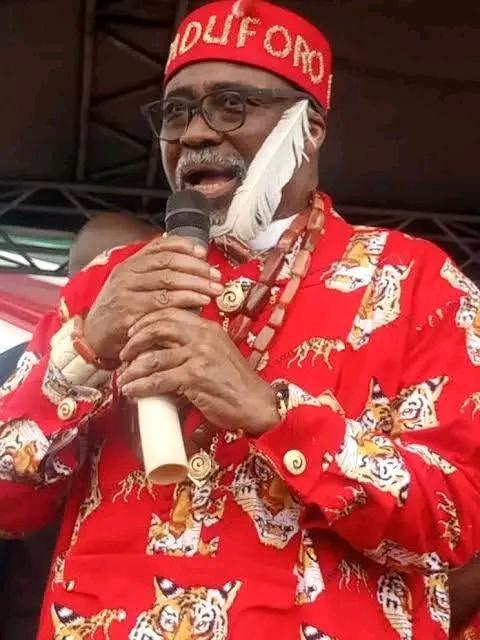
• Breaking News: “Prepare Ojukwu’s bunker. The drums of danger are echoing again. Any nation that toys with the peace of the East is inviting fire to its own doorstep.” Obi Of Onitsha

    He further advised Igbo youths residing in the North to return home without delay, declaring:
    “If they refuse to release Nnamdi Kanu, understand that the storm is no longer approaching — it is already at our gate. No child of Igboland should be caught unprepared.”

    The Obi added a historic reminder:
    “We survived Biafra with courage, unity, and foresight. This generation must not be foolish with its safety or its future.”

    He concluded with a direct message to the government:

    “Justice delayed is not just justice denied — it becomes a spark. Free him now, and restore peace before the situation grows wings.”

    Full Details here
    https://istbw.com/4/10000682

    #ijeuwa

    Nsukka Journalist
    Breaking News: “Prepare Ojukwu’s bunker. The drums of danger are echoing again. Any nation that toys with the peace of the East is inviting fire to its own doorstep.” Obi Of Onitsha He further advised Igbo youths residing in the North to return home without delay, declaring: “If they refuse to release Nnamdi Kanu, understand that the storm is no longer approaching — it is already at our gate. No child of Igboland should be caught unprepared.” The Obi added a historic reminder: “We survived Biafra with courage, unity, and foresight. This generation must not be foolish with its safety or its future.” He concluded with a direct message to the government: “Justice delayed is not just justice denied — it becomes a spark. Free him now, and restore peace before the situation grows wings.” Full Details here 👇 🔗 https://istbw.com/4/10000682 #ijeuwa Nsukka Journalist ✅
    0 Comments ·0 Shares ·971 Views ·0 Reviews
  • Senator Abaribe Warns Any Attempt to Introduce Sharia In Igboland Could Spark Civil War

    Senator Enyinnaya Abaribe, representing Abia South in Nigeria’s Senate, issued this warning on November 17, 2025, amid reports of alleged secret meetings by groups with Northern interests to push Sharia law in the predominantly Christian Igboland (South East Nigeria). He stated that such efforts would undermine the region’s religious and cultural balance, calling it “a call for civil war,” and urged vigilance to protect religious freedom and prevent ethnic-religious divisions. This echoes historical tensions, like 1990s clashes over a mosque in Anambra, and fits ongoing national debates on Sharia’s scope beyond Northern states.
    Senator Abaribe Warns Any Attempt to Introduce Sharia In Igboland Could Spark Civil War Senator Enyinnaya Abaribe, representing Abia South in Nigeria’s Senate, issued this warning on November 17, 2025, amid reports of alleged secret meetings by groups with Northern interests to push Sharia law in the predominantly Christian Igboland (South East Nigeria). He stated that such efforts would undermine the region’s religious and cultural balance, calling it “a call for civil war,” and urged vigilance to protect religious freedom and prevent ethnic-religious divisions. This echoes historical tensions, like 1990s clashes over a mosque in Anambra, and fits ongoing national debates on Sharia’s scope beyond Northern states.
    0 Comments ·0 Shares ·448 Views ·0 Reviews
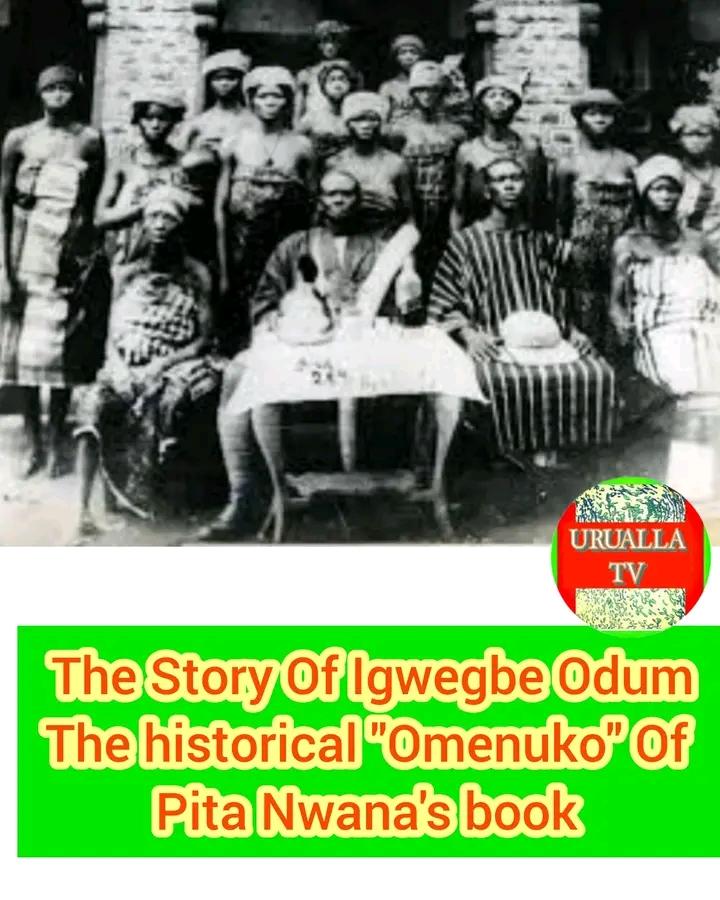
  • The Story Of Omenuko
    A Igbo wealthy Man in the Late Nineteenth Century.
    Chief Igwegbe Ọdum
    Omenuko of Arondizuogu, c.1860-1940

    He was a brother to Mbadiwe Odum the father of Dr K.O Mbadiwe and Chief Green Mbadiwe

    Although the British outlawed slave trading for its subjects in 1807, the Igbo hinterland sustained an illicit trade late into the second decade of the twentieth century, in response to the palm oil trade and other factors. In fact, after the final slave cargo left the Niger Delta coast in the 1830s, internal slavery continued in the interior of the Bight of Biafra, especially around the Arondizuogu-Bende-Arochukwu supply axis, as late as 1912. The slaves previously meant for the overseas market were now engaged in plantation farms where their labor accelerated the growth of the palm oil trade. The focus of this History is the continuation of the slave trade after the ending of the trans-Atlantic traffic, as reflected in the life of Chief Igwegbe Ọdum. The biography of Igwebe Ọdum speaks in many ways to the collective historical experience of slavery and abolition, colonialism, social change and cultural dilemmas, and the link between economic power and political machinations. Igwegbe's life history provides an insight into the character of a class of nouveaux riche who were emerging in West Africa, including Igboland, where they were known as ọgaranya. The new economic order was defined by expansion of the cash economy, the gradual but steady decline of the Atlantic slave trade, and the transition to "legitimate commerce." Igwegbe Ọdum is remembered as someone who was able to take advantage of opportunities; in 1929, his kinsmen referred to him as ọmenukọ-akụ ("one who is financially buoyant in the midst of scarcity"). How he achieved this status is controversial, however. Igwegbe is portrayed either as a hero or villain. In 1934, for instance, his biographer, Pita Nwana, an Aro indigene and pioneer Igbo writer, presented Igwegbe as an ultimate model of a successful Aro traditional entrepreneur and politician. Similarly, in their different studies, Mbonu Ojike, Richard Ohizu Igwegbe (Chief Igwebe's son), and Dr. K. O. Mbadiwe (Igwegbe's nephew and popular Nigerian politician in the first and second republics)—have described Igwegbe in colorful words as a "political wizard" and "political dynamo." In 1966, however, the eminent African historian, Adiele Afigbo, stood the earlier studies on their heads by focusing specifically on the activities of Igwegbe as a collaborator in British colonial rule in Nigeria. Afigbo described Igwegbe as a paradox of "the greatest success and failure among that notorious crowd of Eastern Nigeria's rulers known as warrant chiefs," and "a discredited politician in his hometown Arondizuogu." In 1993, Evaristus Anyaehie sharply disagreed with Afigbo's uncomplimentary view of Igwegbe, which he dismissed as "misplaced emphasis." Instead, Anyaehie interprets Igwegbe's career broadly as "an authentic source of information on the political culture of the Igbo in the nineteenth and early twentieth century." As Elizabeth Isichei demonstrated in her study of nineteenth-century Igbo society, a cadre of "aristocrats" (ọgaranya) with newly found wealth emerged, thanks to the lucrative export trade in slaves and later palm oil. It is argued here that Igwegbe Ọdum's career provides us with insight into the nature of the evolving but often misunderstood nineteenth-century militarized social milieu in which he was raised. The history of the ọgaranya who marched with feet of iron fills a curious void in a period of Igbo history when the indigenous society was heading towards a crucial take-off to a new level of socioeconomic and political development following the expansion of merchant capitalism and the creation of new wealth in the hands of opportune individuals.

    What did you hear about Chief Omenuko
    #uruallatv #Omenuko
    The Story Of Omenuko A Igbo wealthy Man in the Late Nineteenth Century. Chief Igwegbe Ọdum Omenuko of Arondizuogu, c.1860-1940 He was a brother to Mbadiwe Odum the father of Dr K.O Mbadiwe and Chief Green Mbadiwe Although the British outlawed slave trading for its subjects in 1807, the Igbo hinterland sustained an illicit trade late into the second decade of the twentieth century, in response to the palm oil trade and other factors. In fact, after the final slave cargo left the Niger Delta coast in the 1830s, internal slavery continued in the interior of the Bight of Biafra, especially around the Arondizuogu-Bende-Arochukwu supply axis, as late as 1912. The slaves previously meant for the overseas market were now engaged in plantation farms where their labor accelerated the growth of the palm oil trade. The focus of this History is the continuation of the slave trade after the ending of the trans-Atlantic traffic, as reflected in the life of Chief Igwegbe Ọdum. The biography of Igwebe Ọdum speaks in many ways to the collective historical experience of slavery and abolition, colonialism, social change and cultural dilemmas, and the link between economic power and political machinations. Igwegbe's life history provides an insight into the character of a class of nouveaux riche who were emerging in West Africa, including Igboland, where they were known as ọgaranya. The new economic order was defined by expansion of the cash economy, the gradual but steady decline of the Atlantic slave trade, and the transition to "legitimate commerce." Igwegbe Ọdum is remembered as someone who was able to take advantage of opportunities; in 1929, his kinsmen referred to him as ọmenukọ-akụ ("one who is financially buoyant in the midst of scarcity"). How he achieved this status is controversial, however. Igwegbe is portrayed either as a hero or villain. In 1934, for instance, his biographer, Pita Nwana, an Aro indigene and pioneer Igbo writer, presented Igwegbe as an ultimate model of a successful Aro traditional entrepreneur and politician. Similarly, in their different studies, Mbonu Ojike, Richard Ohizu Igwegbe (Chief Igwebe's son), and Dr. K. O. Mbadiwe (Igwegbe's nephew and popular Nigerian politician in the first and second republics)—have described Igwegbe in colorful words as a "political wizard" and "political dynamo." In 1966, however, the eminent African historian, Adiele Afigbo, stood the earlier studies on their heads by focusing specifically on the activities of Igwegbe as a collaborator in British colonial rule in Nigeria. Afigbo described Igwegbe as a paradox of "the greatest success and failure among that notorious crowd of Eastern Nigeria's rulers known as warrant chiefs," and "a discredited politician in his hometown Arondizuogu." In 1993, Evaristus Anyaehie sharply disagreed with Afigbo's uncomplimentary view of Igwegbe, which he dismissed as "misplaced emphasis." Instead, Anyaehie interprets Igwegbe's career broadly as "an authentic source of information on the political culture of the Igbo in the nineteenth and early twentieth century." As Elizabeth Isichei demonstrated in her study of nineteenth-century Igbo society, a cadre of "aristocrats" (ọgaranya) with newly found wealth emerged, thanks to the lucrative export trade in slaves and later palm oil. It is argued here that Igwegbe Ọdum's career provides us with insight into the nature of the evolving but often misunderstood nineteenth-century militarized social milieu in which he was raised. The history of the ọgaranya who marched with feet of iron fills a curious void in a period of Igbo history when the indigenous society was heading towards a crucial take-off to a new level of socioeconomic and political development following the expansion of merchant capitalism and the creation of new wealth in the hands of opportune individuals. What did you hear about Chief Omenuko #uruallatv #Omenuko
    0 Comments ·0 Shares ·2K Views ·0 Reviews
  • Igboland Is Not Southeast, See 1856 and 1911 Map of Igboland by British Researchers

    For those with good knowledge of history, the geographical location of Igbos and Igboland is one of the earliest well defined with its coordinate as far back as 1856 before Nigeria came into Existence.This is the official documentation of Igbo boundaries, a people who have lived in the forest region for thousands of years. This is also the Igbo cultural areas (ICA).

    The maps and descriptions below describes Igboland and not southeast. Southeast was created following balkanization of old Eastern Region in 1967,almost over 100 years after igboland is already defined in 1856.

    #uruallatv #Igboland southeast
    Igboland Is Not Southeast, See 1856 and 1911 Map of Igboland by British Researchers For those with good knowledge of history, the geographical location of Igbos and Igboland is one of the earliest well defined with its coordinate as far back as 1856 before Nigeria came into Existence.This is the official documentation of Igbo boundaries, a people who have lived in the forest region for thousands of years. This is also the Igbo cultural areas (ICA). The maps and descriptions below describes Igboland and not southeast. Southeast was created following balkanization of old Eastern Region in 1967,almost over 100 years after igboland is already defined in 1856. #uruallatv #Igboland southeast
    0 Comments ·0 Shares ·1K Views ·0 Reviews
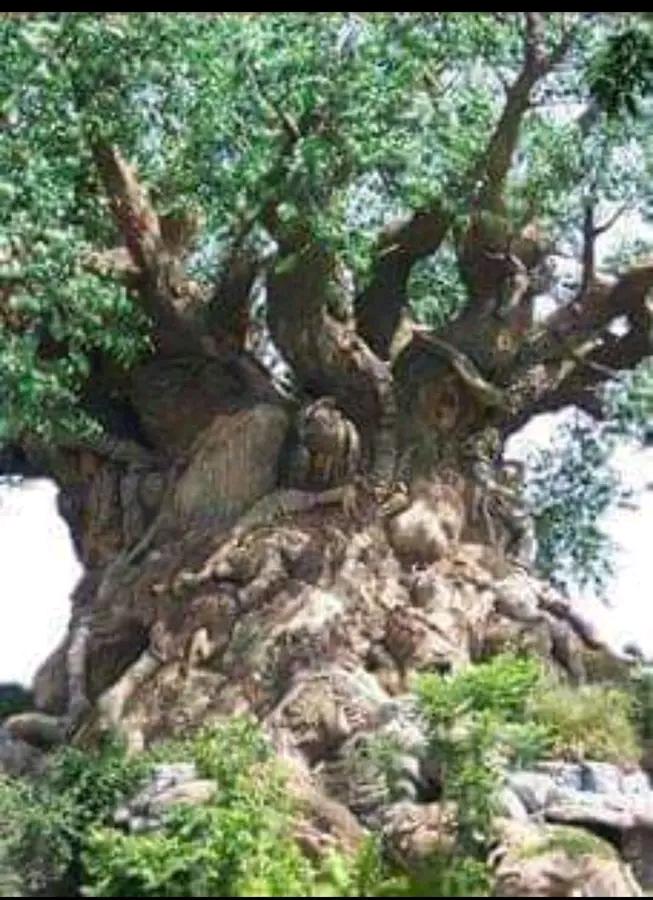
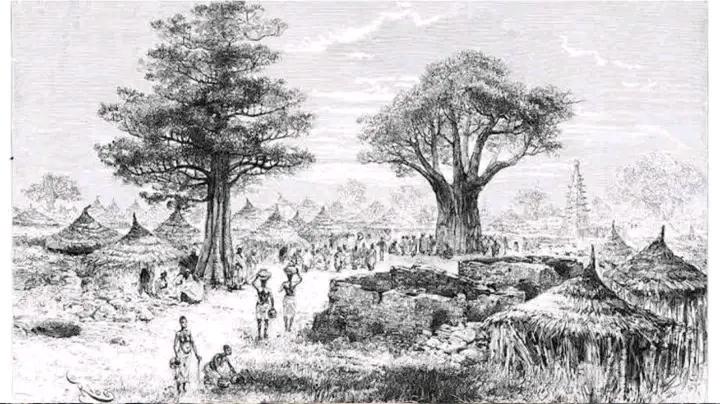
  • ANUNUEBE: THE LEGEND OF THE MYSTICAL TREE IN IGBOLAND THAT NO BIRD DARES TO PERCH ON

    Anunuebe is revered across Igboland as the mysterious king among trees—a powerful, awe-inspiring plant surrounded by myths, healing powers, and spiritual significance. Often described as the most feared and respected tree in ancient Igbo cosmology, the Anunuebe stands alone in its mystery.

    According to tradition, the Anunuebe tree is used in preparing some of the strongest charms, protective amulets, and potent herbal medicines. Only highly gifted dibia, herbalists, and seasoned spiritualists dare to approach it, for they understand its power and how to handle it.

    One of the most fascinating claims about this tree is that no bird ever attempts to perch on it. Any bird that tries, elders say, dies instantly. The tree also stands far inside the forest, far away from human settlements, as if intentionally keeping its power from casual encounters.

    Its medicinal reputation is equally legendary. Renowned healers use its leaves, roots, and bark to prepare powerful remedies said to cure leprosy, syphilis, and other severe ailments—proof of its feared and respected potency.

    The size of the Anunuebe is another part of its mystery. It grows so tall and wide that its branches cast massive shadows over the forest floor. Trees growing nearby never spread their branches in the same way, and nothing—absolutely nothing—grows under its canopy. The ground beneath it is always bare, as if the tree drains life from anything that comes too close.

    Another striking belief is that the leaves of the Anunuebe tree never touch the ground. Elders say that cobwebs high up in its branches trap the leaves, preventing them from falling to the earth.

    It is also claimed that when thunder strikes the forest, other trees may fall, but never the mighty Anunuebe. Its presence commands respect even from the forces of nature.

    Only powerful dibia and seasoned herbalists dare harvest parts of the Anunuebe tree—and even then, they begin the process with rituals, chants, and spiritual permission. Without this, they believe the tree will not allow itself to be touched.

    The legend of Anunuebe continues to fascinate generations, reminding us of the deep spiritual world of our ancestors and the mysteries that still breathe within our forests.
    ANUNUEBE: THE LEGEND OF THE MYSTICAL TREE IN IGBOLAND THAT NO BIRD DARES TO PERCH ON Anunuebe is revered across Igboland as the mysterious king among trees—a powerful, awe-inspiring plant surrounded by myths, healing powers, and spiritual significance. Often described as the most feared and respected tree in ancient Igbo cosmology, the Anunuebe stands alone in its mystery. According to tradition, the Anunuebe tree is used in preparing some of the strongest charms, protective amulets, and potent herbal medicines. Only highly gifted dibia, herbalists, and seasoned spiritualists dare to approach it, for they understand its power and how to handle it. One of the most fascinating claims about this tree is that no bird ever attempts to perch on it. Any bird that tries, elders say, dies instantly. The tree also stands far inside the forest, far away from human settlements, as if intentionally keeping its power from casual encounters. Its medicinal reputation is equally legendary. Renowned healers use its leaves, roots, and bark to prepare powerful remedies said to cure leprosy, syphilis, and other severe ailments—proof of its feared and respected potency. The size of the Anunuebe is another part of its mystery. It grows so tall and wide that its branches cast massive shadows over the forest floor. Trees growing nearby never spread their branches in the same way, and nothing—absolutely nothing—grows under its canopy. The ground beneath it is always bare, as if the tree drains life from anything that comes too close. Another striking belief is that the leaves of the Anunuebe tree never touch the ground. Elders say that cobwebs high up in its branches trap the leaves, preventing them from falling to the earth. It is also claimed that when thunder strikes the forest, other trees may fall, but never the mighty Anunuebe. Its presence commands respect even from the forces of nature. Only powerful dibia and seasoned herbalists dare harvest parts of the Anunuebe tree—and even then, they begin the process with rituals, chants, and spiritual permission. Without this, they believe the tree will not allow itself to be touched. The legend of Anunuebe continues to fascinate generations, reminding us of the deep spiritual world of our ancestors and the mysteries that still breathe within our forests.
    0 Comments ·0 Shares ·455 Views ·0 Reviews
  • EKWENSU IS NOT THE SATAN OF CHRISTIANITY: LET’S UNDERSTAND THIS BETTER

    Growing up, many of us heard the name Ekwensu and immediately imagined the Christian Devil — a dangerous spirit waiting to destroy people. As children, we were warned never to mention the name. It was associated with fear, darkness, and everything “evil.”

    But as I grew older and began to study African spirituality with an open mind, I realised something important:
    Ekwensu is not the Satan we were taught to fear.

    In fact, the more I learned, the more I discovered how misunderstood this ancient Igbo deity truly is.

    So who exactly is Ekwensu?

    Ekwensu is a trickster god — a spirit of strategy, trade, war, courage, and negotiation. In old Igbo society, traders called upon him when they needed sharpness in business or guidance in difficult bargaining situations. He represents energy, boldness, unpredictability, and change.

    He was also invoked during times of war to strengthen the hearts of warriors at the battlefield. After the war, cleansing rituals were performed before the warriors were fully reintegrated into society — not because Ekwensu was “evil,” but because his intense energy needed to be balanced.

    Because of this fierce and restless nature, he was linked to war and victory, especially during moments when communities required bravery or mental sharpness to survive difficult periods.

    After conflicts ended, people would “send away” or calm the Ekwensu energy to restore peace. This was not because he was evil — it was because his energy could fuel conflict if left unchecked.

    A Balance, Not a Devil

    Our ancestors understood balance better than we do today.
    Just like day and night, joy and sorrow, calm and chaos — Ekwensu and Chukwu represented different sides of the divine order.

    Igbo spirituality never taught that there is a physical Devil roaming around.
    Instead, it teaches that the divine forces exist within us, guiding our choices.

    When we act with kindness, patience, and love, we express our higher nature.
    When we act out of anger, greed, or vengeance, we tap into our lower energy — the Ekwensu side of us.

    How Ekwensu Became “The Devil”

    When Christianity and colonialism entered Igboland, missionaries needed a “Devil figure” to fit their teachings — but the African spiritual world had no such being.

    So deities like Seth (Egypt), Èsù (Yoruba), and Ekwensu (Igbo) — who had qualities such as trickery, chaos, or war — were labelled as Satan.
    This interpretation came from Europeans, not from Igbo belief.

    Ekwensu never fought God, never fell from heaven, and never tempted Adam and Eve.
    These are foreign stories imposed on African cultures.

    Evidence From Our Communities

    If Ekwensu truly meant “Satan,” Igbo people would never name their children or villages after him. Yet we have:

    Obiekwensu (Senator Abaribe’s community)

    Lekwensu in Umunneochi, Abia State

    Umunkwensu in Enugu State

    The renowned writer Cyprian Ekwensi

    These names show that Ekwensu originally represented something normal and respected — not a demonic figure.

    The Real Battle Is Within Us

    When someone commits evil, it is not a “Devil” pushing them.
    It is a choice — a decision made from the lower part of their spirit.

    Igbo spirituality has always taught that when we die, we return to the Ancestors and answer for how we used the divine energies given to us by Chukwu.
    This belief existed long before Christianity.

    Let’s Reclaim the Truth

    Ekwensu is not Satan.
    Satan is not Ekwensu.
    One belongs to Christian theology; the other belongs to Igbo cosmology.

    Our spirituality deserves to be understood on its own terms.
    Let us honour our ancestors by learning the truth about our traditions, not the version reshaped by fear and foreign influence.

    EKWENSU IS NOT THE SATAN OF CHRISTIANITY: LET’S UNDERSTAND THIS BETTER Growing up, many of us heard the name Ekwensu and immediately imagined the Christian Devil — a dangerous spirit waiting to destroy people. As children, we were warned never to mention the name. It was associated with fear, darkness, and everything “evil.” But as I grew older and began to study African spirituality with an open mind, I realised something important: Ekwensu is not the Satan we were taught to fear. In fact, the more I learned, the more I discovered how misunderstood this ancient Igbo deity truly is. So who exactly is Ekwensu? Ekwensu is a trickster god — a spirit of strategy, trade, war, courage, and negotiation. In old Igbo society, traders called upon him when they needed sharpness in business or guidance in difficult bargaining situations. He represents energy, boldness, unpredictability, and change. He was also invoked during times of war to strengthen the hearts of warriors at the battlefield. After the war, cleansing rituals were performed before the warriors were fully reintegrated into society — not because Ekwensu was “evil,” but because his intense energy needed to be balanced. Because of this fierce and restless nature, he was linked to war and victory, especially during moments when communities required bravery or mental sharpness to survive difficult periods. After conflicts ended, people would “send away” or calm the Ekwensu energy to restore peace. This was not because he was evil — it was because his energy could fuel conflict if left unchecked. A Balance, Not a Devil Our ancestors understood balance better than we do today. Just like day and night, joy and sorrow, calm and chaos — Ekwensu and Chukwu represented different sides of the divine order. Igbo spirituality never taught that there is a physical Devil roaming around. Instead, it teaches that the divine forces exist within us, guiding our choices. When we act with kindness, patience, and love, we express our higher nature. When we act out of anger, greed, or vengeance, we tap into our lower energy — the Ekwensu side of us. How Ekwensu Became “The Devil” When Christianity and colonialism entered Igboland, missionaries needed a “Devil figure” to fit their teachings — but the African spiritual world had no such being. So deities like Seth (Egypt), Èsù (Yoruba), and Ekwensu (Igbo) — who had qualities such as trickery, chaos, or war — were labelled as Satan. This interpretation came from Europeans, not from Igbo belief. Ekwensu never fought God, never fell from heaven, and never tempted Adam and Eve. These are foreign stories imposed on African cultures. Evidence From Our Communities If Ekwensu truly meant “Satan,” Igbo people would never name their children or villages after him. Yet we have: Obiekwensu (Senator Abaribe’s community) Lekwensu in Umunneochi, Abia State Umunkwensu in Enugu State The renowned writer Cyprian Ekwensi These names show that Ekwensu originally represented something normal and respected — not a demonic figure. The Real Battle Is Within Us When someone commits evil, it is not a “Devil” pushing them. It is a choice — a decision made from the lower part of their spirit. Igbo spirituality has always taught that when we die, we return to the Ancestors and answer for how we used the divine energies given to us by Chukwu. This belief existed long before Christianity. Let’s Reclaim the Truth Ekwensu is not Satan. Satan is not Ekwensu. One belongs to Christian theology; the other belongs to Igbo cosmology. Our spirituality deserves to be understood on its own terms. Let us honour our ancestors by learning the truth about our traditions, not the version reshaped by fear and foreign influence.

    0 Comments ·0 Shares ·917 Views ·0 Reviews
  • The Origins of Democratic Practices among the Igbo People of Nigeria

    Democratic traditions have deep roots in Igboland. The Igbo system of governance was built on participation, checks, and balances. Each village managed its own affairs and maintained its own defense system.

    Unlike many ancient societies with centralized monarchies, the Igbo people chose a decentralized form of leadership. This ensured that no single ruler held absolute power. While centralized kingdoms could be easily destabilized by the fall of one leader, the Igbo structure allowed communities to remain resilient and self-governing.

    This independent spirit was evident during historical encounters with colonial powers, including resistance movements such as those in Arochukwu, the Ekumeku uprising, and the Women’s War of 1929 — all expressing the Igbo people’s longstanding commitment to collective decision-making and freedom from external control.
    The Origins of Democratic Practices among the Igbo People of Nigeria 🇳🇬 Democratic traditions have deep roots in Igboland. The Igbo system of governance was built on participation, checks, and balances. Each village managed its own affairs and maintained its own defense system. Unlike many ancient societies with centralized monarchies, the Igbo people chose a decentralized form of leadership. This ensured that no single ruler held absolute power. While centralized kingdoms could be easily destabilized by the fall of one leader, the Igbo structure allowed communities to remain resilient and self-governing. This independent spirit was evident during historical encounters with colonial powers, including resistance movements such as those in Arochukwu, the Ekumeku uprising, and the Women’s War of 1929 — all expressing the Igbo people’s longstanding commitment to collective decision-making and freedom from external control.
    0 Comments ·0 Shares ·363 Views ·0 Reviews
001Davido https://001davido.com